
The short answer
It changes the math, not the rules. Prepaid wear coverage waives excess wear charges up to a stated cap, usually with per-item limits and an exclusion list, so small covered dings can often be left alone. Storm and collision damage is commonly excluded, and anything above the cap is billed at dealer retail rates. Read your certificate, then get a repair quote — that comparison tells you which dents actually pay for themselves.
 Written by the DentPicks Editorial Team
Technically reviewed by Vytas Kucinskas, Founder & Master PDR Technician
Written by the DentPicks Editorial Team
Technically reviewed by Vytas Kucinskas, Founder & Master PDR Technician
Published: Aug 19, 2026 · Last reviewed: Aug 19, 2026 · 9 min read
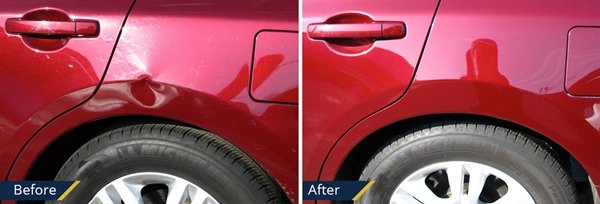
Somewhere in the finance office, on the day you signed the lease, you were probably offered a wear protection product — sold under names like excess wear waiver, wear care, or lease-end protection. Most people say yes or no in about ninety seconds and never think about it again until turn-in is six weeks away and there are dents on the doors.
At that point the question becomes practical: does the coverage you bought mean you can hand the car back dented, or are you still repairing it? The answer depends entirely on what your specific certificate says, and the gap between what people assume it covers and what it actually covers is where the surprise bills come from.
What prepaid wear coverage actually is
It is not insurance. It is a contractual waiver: the lessor agrees, in advance and for a fee, not to bill you for excess wear charges up to a stated limit when you return the vehicle. That distinction matters because it means the terms are set by the product, not by any statewide standard, and two drivers of the same model can hold two very different agreements.
Nearly every version of these products shares the same architecture:
- A total dollar cap — the maximum in excess wear charges that will be waived across the whole vehicle.
- Per-item limits — a ceiling on any single dent, scuff, wheel or panel, so one severe item does not consume the whole benefit.
- An exclusion list — damage types the waiver will not touch at all.
- Conditions — often including that the lease is in good standing, and sometimes that you lease or finance another vehicle from the same brand.
Caps, per-item limits and exclusions all vary by lender and by contract. Anyone who tells you a firm number without reading your paperwork is guessing. The document you need is the wear protection certificate or addendum in your lease packet — and separately, the lessor's wear-and-tear guide, which defines what counts as excess in the first place.
The exclusion that catches most dent questions
Wear waivers are generally written to absorb the ordinary accumulation of a driving life: parking-lot dings, small scuffs, light scratches, curbed wheels. They are not written to absorb events that another product already covers.
This is the single most expensive misunderstanding we see in lease-return conversations. A driver bought wear protection, took a hailstorm, and assumed the two things met. They frequently do not. Hail is an insurable loss, and the path through it is usually a comprehensive claim — see our guide on how the hail deductible works and, if you are weighing whether to file at all, the numbers that decide it.
Other commonly excluded categories worth checking for: missing parts or equipment, damage that existed before the lease started, unrepaired damage from an accident, aftermarket modifications, and interior damage beyond a stated level.
How the coverage changes the repair decision
Once you know your cap, your per-item limit and your exclusions, the decision becomes arithmetic rather than anxiety. Four outcomes cover almost every case.
| Your situation | What the waiver does | Sensible move |
|---|---|---|
| Light dings, damage type covered, clearly under the cap | Absorbs the charge | Leave them. This is what you paid for. |
| Damage type covered but total likely over the cap | Waives up to the limit; you pay the excess at retail rates | Get a quote. Repairing the worst panels can pull the assessment under the cap. |
| One severe dent above the per-item limit | That item may fall out of coverage entirely | Repair that item; let the waiver carry the small stuff. |
| Hail or collision damage | Commonly excluded | Handle through insurance and repair before turn-in. |
The middle two rows are where a quote earns its keep. The lessor prices excess damage at dealer retail rates; paintless dent repair on the same dents is usually a fraction of that. So a vehicle whose assessed damage would blow past the cap can often be brought back under it by repairing two or three items, for less than the overage you would otherwise be billed. Our PDR cost guide shows how dent size, depth, panel and access drive that pricing.
Why a quote beats a guess
You cannot run that arithmetic without a real number on the repair side, and the number you imagine is rarely the number a shop gives you. Dents that look alike price very differently: a shallow dimple in the middle of a door panel is straightforward, while the same dent on a body line, near a panel edge, or behind bracing takes much longer to work.
At DentPicks a lease-return quote is usually verbal, built from photos you send, and back to you in about 30 minutes. Bring the vehicle in and we read the panels under LED reflection boards, where the light lines bend over every low spot — a very different picture from a driveway walkaround. That inspection is free, and it is deliberately blunt: if your dents look like they sit inside a typical wear allowance and your coverage should absorb them, we will tell you not to spend the money.
A real quote is what turns "I think I'm covered" into a decision you can defend at turn-in.
What to check in your own paperwork
- Find the certificate. Wear protection is a separate addendum, not a clause in the main lease. It may also have arrived by mail after signing.
- Read the cap and the per-item limit. Both numbers, not just the headline one.
- Read the exclusions in full. Specifically look for storm, hail, collision, prior damage and missing-parts language.
- Find the wear-and-tear guide. This is the separate document defining what counts as excess wear — usually with a measurement standard for dents and scratches. Your dealer or lender's lease-end portal can supply the current version.
- Check the conditions. Some waivers require the account to be current, or apply only if you take another vehicle from the same brand.
- Note the claim mechanics. Some products require damage to be reported or documented in a specific way before turn-in.
If you cannot locate the paperwork, your lender's lease-end team can confirm whether the product is on your account and email the terms. Do that at the start of your turn-in window, not the week of.
Common mistakes
- Assuming the waiver covers everything cosmetic. Caps and exclusions are the whole point of the product.
- Trying to buy it late. These products are generally sold at lease signing or within a short window afterward, not once damage exists.
- Repairing everything anyway. If you hold coverage and the damage is genuinely small and covered, repairing is money spent to protect a benefit you already bought.
- Repairing nothing on a car well past the cap. Every dollar over the limit is billed at retail. That is the most expensive way to buy dent repair.
- Letting a driveway crew "pop them out" cheaply. A stretched panel or cracked paint from a bad pull creates damage that no wear waiver forgives — see why DIY and quick-fix dent repair fails.
- Starting three weeks out. Confirming coverage, pulling the wear guide, quoting and repairing all take real days.
What to do next
Begin 30 to 45 days before turn-in so nothing gets rushed. Pull your wear protection certificate and the lessor's wear guide, then get a real quote on the dents. With the cap, the exclusions and the repair number in front of you, you will know within an hour whether you are repairing everything, repairing two panels to stay under the cap, or leaving the car alone with a clear conscience.
DentPicks inspects lease-return vehicles free at our Plano shop, quotes from photos in about 30 minutes, and every finished vehicle is signed off by whoever runs quality control, visible in your customer portal. See our lease return dent repair service, or send photos and we will tell you where you stand.
Frequently asked questions
Is prepaid wear coverage the same as insurance?
No. It is a contractual waiver from the lessor, agreeing in advance not to bill you for excess wear charges up to a limit. Insurance responds to sudden events like hail or a collision. The two cover different things, and the wear waiver usually excludes what your auto policy is meant to handle.
Can I add wear protection after the dents already happened?
Generally no. These products are sold at lease signing or within a limited window afterward, and they are not designed to be bought once damage exists. If you missed it, your options at turn-in are repairing the damage yourself or accepting the lessor's excess wear charge.
Does wear coverage include hail damage?
Often it does not. Storm damage is commonly excluded on the reasoning that it belongs to your comprehensive auto coverage. Hail damage on a leased vehicle generally has to be repaired before turn-in either way. Exclusions vary by lender and product, so read your own certificate rather than relying on a general answer.
If my damage is over the cap, should I repair all of it or none of it?
Usually neither extreme. Repairing the worst items can bring the assessed total back under the cap, so the waiver absorbs the rest. Since the lessor prices excess damage at retail and paintless repair costs a fraction of that, a targeted repair of two or three panels is often the cheapest outcome.
How do I find out what my cap and exclusions are?
Look for the wear protection certificate or addendum in your lease packet — it is a separate document from the lease itself. If you cannot find it, your lender's lease-end team can confirm whether the product is on your account and send the terms. Ask for the current wear-and-tear guide at the same time.
Do small dents inside the wear guide really get ignored?
Sometimes, yes. Wear-and-tear guides allow damage below a defined size or severity, and dents inside that allowance can often be left alone. The thresholds differ by lender and contract, so check your own guide and compare it against a real quote before deciding a dent is free.
Sources and methodology
- Automobile insurance guide — Texas Department of Insurance.
Repair, cost and timing statements that are not tied to a listed source come from DentPicks' own quoting and repair history at the Plano, TX shop. They are typical ranges and shop-floor observations, not industry statistics or promises — your vehicle, its condition, your policy language and your insurer determine your specific outcome.
Not sure whether your dents are under the cap?
Send photos and we will quote the repair in about 30 minutes, free. If your damage looks like it sits inside a typical wear allowance, we will say so rather than sell you work you do not need.