

The short answer
Largely yes. Dents in metal panels are paintless dent repair, bumper scuffs are plastic refinishing or paint correction, curbed alloys go to a wheel refinishing specialist, and glass goes to a glass shop. What you do not need is four separate plans. Have one shop assess the whole vehicle, say plainly which items it handles, and sequence the rest — metal before finish, glass early, wheels last.
 Written by the DentPicks Editorial Team
Technically reviewed by Vytas Kucinskas, Founder & Master PDR Technician
Written by the DentPicks Editorial Team
Technically reviewed by Vytas Kucinskas, Founder & Master PDR Technician
Published: Aug 19, 2026 · Last reviewed: Aug 19, 2026 · 8 min read
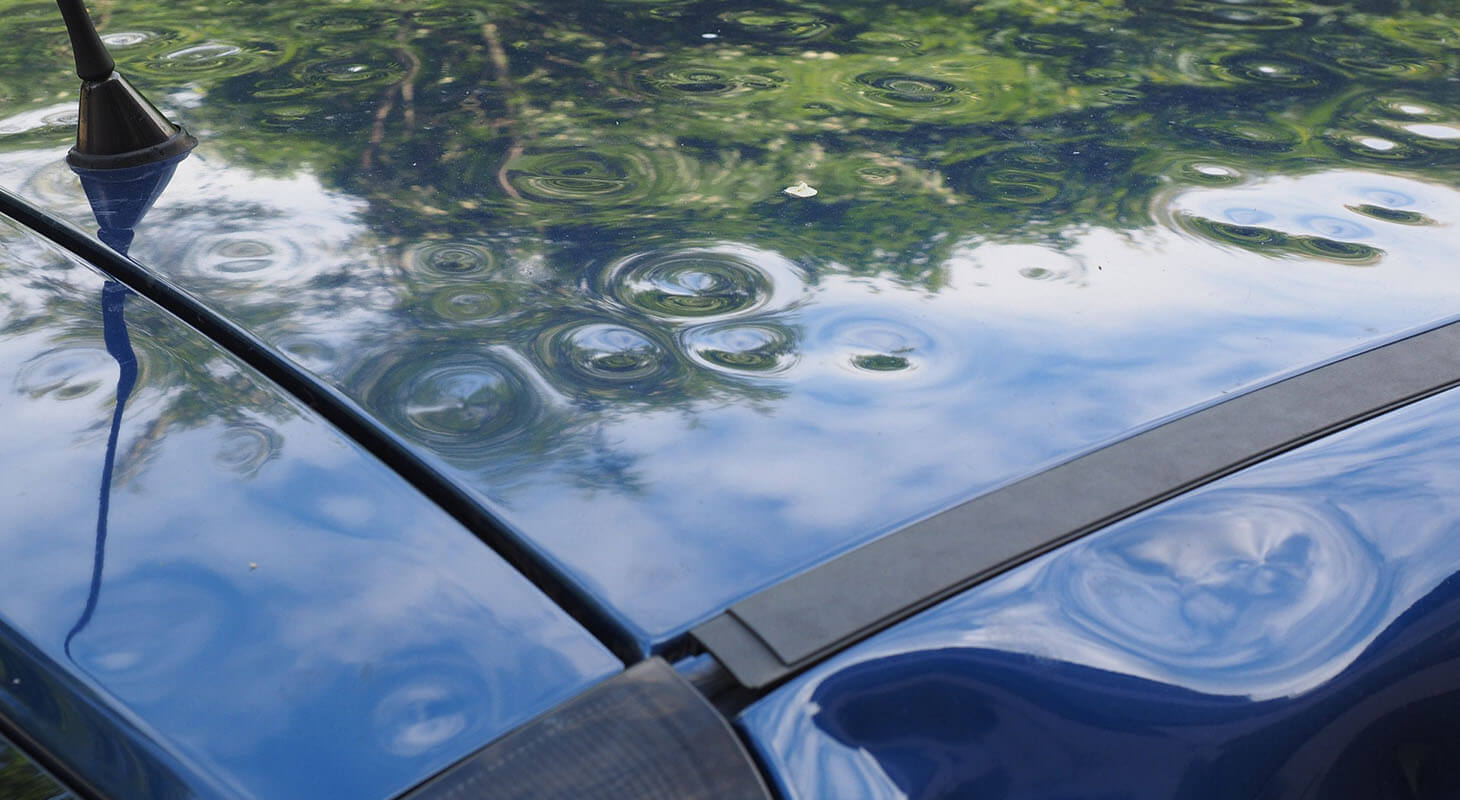
A typical lease-return list is not one kind of damage. It is a scuffed rear bumper, two curbed wheels, a handful of door dings and maybe a chip in the windshield. Those four items sit on the same car, but they are four different crafts, using different tools, different materials and in some cases different trades entirely.
The practical question is whether you should be booking four appointments, or whether one shop can take the car and sort it. The honest answer is somewhere in between — and knowing which is which saves both money and the two weeks people usually lose driving the car around town.
Four kinds of damage, four kinds of work
Dents in metal panels
Door dings, hail dimples, creases in a fender or hood: if the paint is unbroken, this is paintless dent repair. A technician gets behind the panel and works the metal back to shape while reading the surface under reflection lighting. Nothing is filled, sanded or sprayed, and the factory finish stays intact. Our guide on how PDR works walks through the process.
This is the category where lease-return money is most often saved, because excess damage is generally billed at dealer retail rates while the same dents repaired paintless cost a fraction of that.
Bumper scuffs
Bumper covers are plastic, not steel or aluminum, and they behave nothing like a body panel. Plastic has memory — a light impact often relaxes back most of the way on its own — but it does not respond to the tools used on metal, and the damage is usually to the finish rather than the shape. A scuffed bumper is a refinishing job: clean, prepare, address any gouging, refinish and blend.
Some bumper marks are only transferred paint from whatever you brushed against, and those genuinely do come off with correction rather than paint. It is worth having someone look before assuming the worst — that is one of the cheapest items on a lease list to resolve when it turns out to be a transfer mark.
Wheel and rim damage
Curb rash is its own trade. Repairing an alloy wheel means removing material, reshaping the damaged lip, and refinishing to match the wheel's original texture — machined face, painted, or polished finishes all behave differently. Wheel refinishing specialists do this work on dedicated equipment, and diamond-cut or machined-face wheels in particular need machinery a general body shop typically does not have.
There is also a safety line here that matters more than appearance. Cosmetic rash on the lip is a finish issue. A bent rim, a crack, or damage inboard of the bead seat is not — that is a wheel integrity question, and the answer is assessment and often replacement, not cosmetic repair.
Glass
Windshield chips and cracks go to a glass specialist, full stop. Small chips can often be resin-filled if caught early; a crack in the driver's sightline usually means replacement. On many modern vehicles the forward-facing camera for lane keeping and automatic emergency braking is mounted to the windshield, so a replacement may require camera calibration afterward. Manufacturer procedures vary by model year and configuration, so ask specifically.
Who handles what
| Damage | Material | Who does it | Typical turnaround |
|---|---|---|---|
| Dents, paint intact | Steel or aluminum panel | PDR technician | Same day to a few days |
| Dents with cracked paint | Panel plus finish | PDR plus refinishing | Several days |
| Bumper scuff or scrape | Plastic cover | Refinishing, or correction if it is transfer | Correction is fast; refinishing takes days |
| Curb rash on the wheel lip | Alloy | Wheel refinishing specialist | Usually per-wheel, often a day or two |
| Bent or cracked wheel | Alloy | Assessment; often replacement | Parts dependent |
| Chipped or cracked glass | Laminated glass | Glass specialist | Chip repair is quick; replacement may need calibration |
Should you use one shop or several?
Specialists do better work in their own lane. A PDR technician who works metal every day reads a panel faster and finishes it cleaner than a generalist; a wheel shop with the right lathe produces a machined face a body shop cannot match by hand. So the quality argument favors specialists.
The logistics argument goes the other way. Four separate bookings means four drop-offs, four windows without the car, and four separate quotes that nobody is comparing against your lessor's likely charge as a whole. On a lease with a fixed turn-in date, that scattering is exactly what causes people to run out of runway.
The goal is not one invoice. It is one plan, with a clear owner for each item and dates that fit inside your turn-in window.
The workable middle is to have one shop assess the whole vehicle, tell you plainly which items it handles in house and which belong to a wheel or glass specialist, and sequence the work so nothing gets done twice. At DentPicks we read the vehicle under LED reflection boards, quote the dent and panel work — usually verbally, from photos, in about 30 minutes — and are straight with you about the items that are not ours. If a wheel needs a lathe or a windshield needs calibration, we will say so rather than pretend otherwise.
Sequencing matters more than people expect
A few ordering rules keep you from paying twice:
- Metal before finish. Pull the dent first. Refinishing a panel and then working the metal behind it risks the fresh coating.
- Wheels off the car, ideally near the end. Freshly refinished wheels are easy to mark during other work and transport.
- Glass chips early. A chip spreads. It is the cheapest item on the list on day one and one of the most expensive after the first cold snap or pothole.
- Bumper assessment before bumper refinishing. If it turns out to be transfer, you just saved a paint job.
- Final wash and inspection last. Vehicles leave our shop with a mini exterior detail, and the finished work is signed off by whoever runs quality control, visible in your customer portal.
What is actually worth repairing
Not every item on an inspection list pays for itself. Lease wear-and-tear guides allow damage below a defined size or severity, and those thresholds vary by lender and by contract — check the guide in your own lease packet rather than trusting a general rule you read anywhere, including here.
Common mistakes
- Sending a dented metal panel to a bumper repair service. Different material, different tools, wrong result.
- Buying wheel repair for a bent rim. Cosmetic refinishing does not fix structure.
- Ignoring a windshield chip until the week of turn-in. By then it is often a crack and a replacement.
- Letting a mobile crew do all four in a parking lot. Wheel and paint work in particular need controlled conditions and proper lighting. See our comparison of PDR versus a traditional body shop for where each process belongs.
- Collecting four quotes and never adding them up. The total is the number to compare against the lessor's charge.
- Starting late. Four trades cannot be compressed into ten days.
What to do next
Begin 30 to 45 days before turn-in. Walk the car in daylight and write down every item — dents, bumper marks, wheels, glass, interior. Pull your lessor's current wear-and-tear guide so you know what actually counts as excess. Then get the vehicle assessed as a whole, so each item has an owner, a price and a date.
DentPicks handles the dent and panel side at our Plano shop and will tell you honestly which items belong to a wheel or glass specialist instead. Inspection is free, quotes are usually verbal from photos in about 30 minutes, and you can see finished work in our before and after gallery or read more about the process on our lease return dent repair page. If you are still deciding where to take the car, our guide on choosing a dent repair shop covers what to ask.
Frequently asked questions
Can a paintless dent technician fix a dented bumper?
Usually not the way they fix a door. Bumper covers are plastic and respond differently from steel or aluminum — the damage is normally to the finish rather than the shape, so the fix is refinishing or paint correction. Some marks turn out to be transferred paint from whatever you brushed, which comes off without any paint work.
Is curb rash worth repairing before I turn the lease in?
Often yes, because wheel damage is assessed at dealer retail rates and cosmetic refinishing typically costs much less. The exception is a bent or cracked wheel, which is a safety item rather than a cosmetic one and usually means replacement. Check your lessor's wear guide for how wheels are assessed on your contract.
Should I fix a windshield chip before turn-in?
Fix it early rather than late. A chip caught soon can often be resin-filled cheaply, while a spread crack means replacement — and on many vehicles the forward-facing camera behind the windshield may need calibration after a replacement. Manufacturer procedures vary by model year and configuration.
Can one shop coordinate all of it?
One shop can assess all of it and sequence the plan, which is the part that matters. Some items genuinely belong elsewhere — machined-face wheels need dedicated equipment, and glass needs a glass specialist. A shop that tells you which items are not theirs is more useful than one that claims everything.
What order should the repairs happen in?
Metal before finish, so a dent pull never disturbs fresh paint. Glass chips as early as possible, before they spread. Bumper assessment before bumper refinishing, in case the mark is only transfer. Wheels near the end, since fresh wheel finishes mark easily during other work and transport.
How far ahead of turn-in should I start?
Thirty to forty-five days. Four trades cannot be compressed into the final fortnight, and refinishing, wheel work and any parts order all have their own lead times. Starting early also leaves room to get quotes, compare them against your wear guide, and decide which items actually pay for themselves.
Sources and methodology
Repair, cost and timing statements that are not tied to a listed source come from DentPicks' own quoting and repair history at the Plano, TX shop. They are typical ranges and shop-floor observations, not industry statistics or promises — your vehicle, its condition, your policy language and your insurer determine your specific outcome.
One car, four kinds of damage?
Send photos of the whole vehicle and we will sort the list — what we repair at the Plano shop, what belongs to a wheel or glass specialist, and what is small enough to leave alone.