
Dents at lease return and resale time are a math problem. These guides show when repair pays for itself and when it does not.
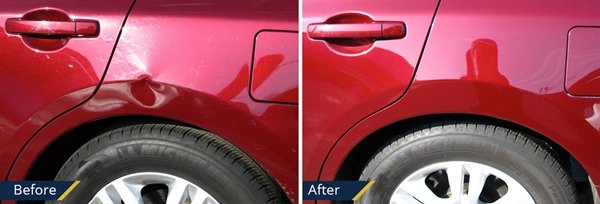
Usually yes for visible dents on an otherwise clean vehicle: appraisers deduct reconditioning at retail rates, which typically exceeds the cost of PDR, and a dent-free car photographs and negotiates better.
Know your wear standard before your inspection. Luxury leases are written by the brand's captive finance company, which publishes what counts as normal wear and what is chargeable excess wear, and its document governs — not the dealership.
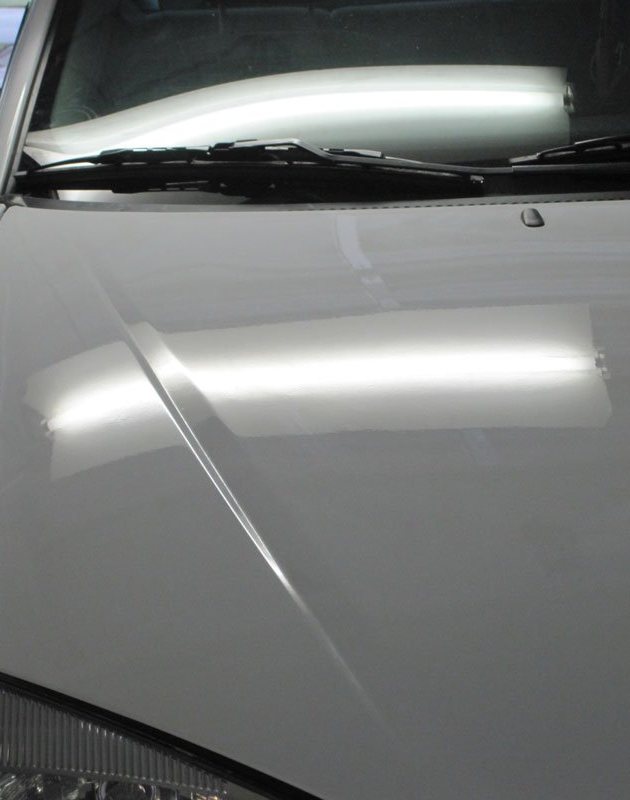
Sometimes, but usually not when the work is good. Appraisers rely on paint depth gauges, reflections, jamb overspray and fastener condition — checks aimed at filler, paint and replaced panels, none of which paintless repair uses.

Usually yes, if the hail damage is real. Your lease makes you responsible for the vehicle's condition, and the lessor's excess damage charge is generally priced at dealer retail rates, so a comprehensive claim often costs less than the bill you would…
They get handled as two different repairs. Dents with intact paint can usually be worked out paintless, while scratches, scuffs and chips that break the finish need refinishing — more steps, more time, more cost. Metalwork comes first, then paint.
It changes the math, not the rules. Prepaid wear coverage waives excess wear charges up to a stated cap, usually with per-item limits and an exclusion list, so small covered dings can often be left alone.
Repair anything larger than your lease's size threshold, creases crossing a body line, hood and roof dents, clusters of dings on one panel, and any dent with cracked paint.
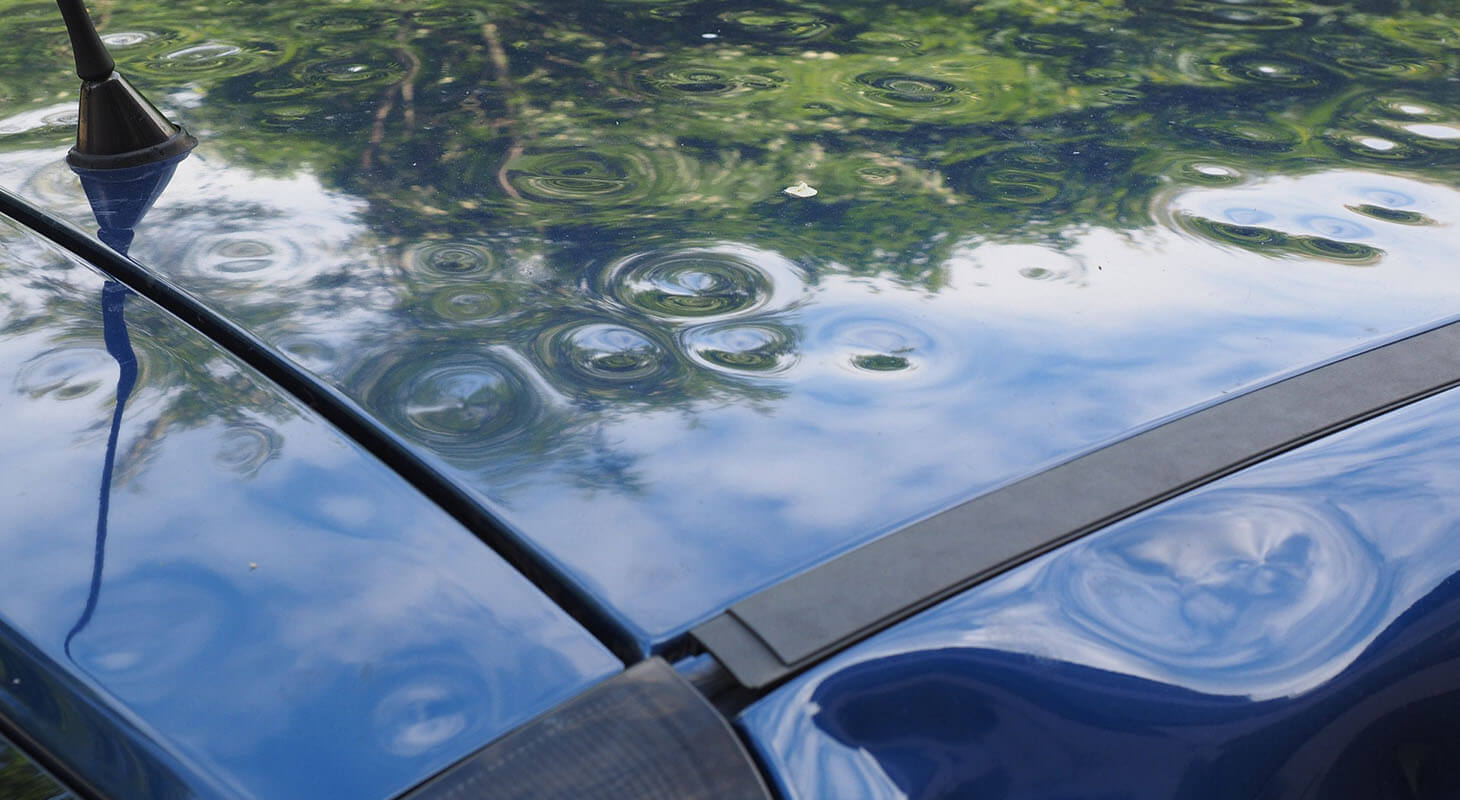
Largely yes. Dents in metal panels are paintless dent repair, bumper scuffs are plastic refinishing or paint correction, curbed alloys go to a wheel refinishing specialist, and glass goes to a glass shop.
For paint-intact dents and dings, which is most lease-return damage, an independent PDR specialist is usually faster and cheaper — dealerships frequently subcontract that work anyway, and the returning dealership is also the party that may assess the car.
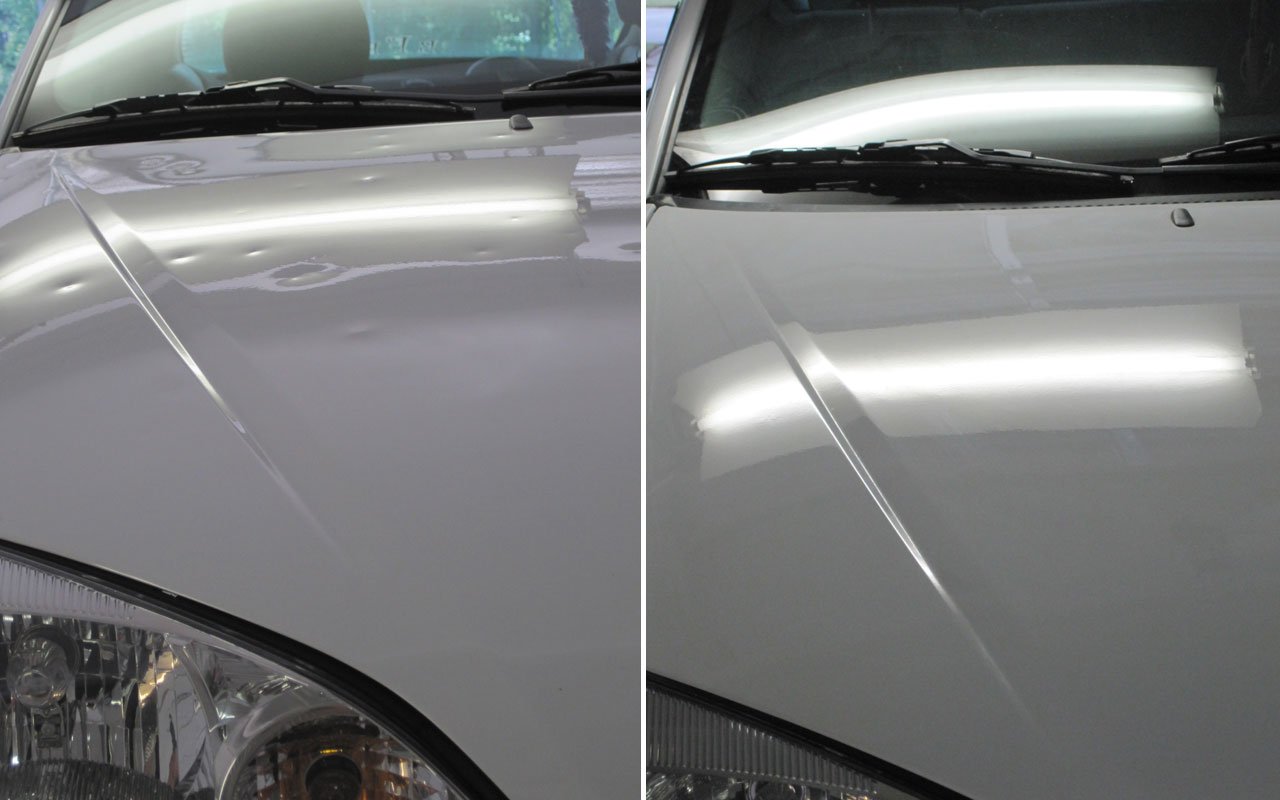
Often yes. Whether you trade the vehicle, buy it out or return it early, damage is priced against you at retail — as an appraisal deduction or an excess wear charge — while paintless dent repair is priced as specialist labor.
Yes, it often does. Lease-end damage is normally assessed at retail body-shop rates, so anything that moves a dent from push-out territory into refinish territory raises the charge.
Build a short packet and volunteer it early. Keep an itemized repair order that states the method for each panel, your own before photos, matched after photos, the claim number and date of loss if a claim was involved, the warranty document…
A claim can, the repair usually does not. Paintless dent repair creates no vehicle-history record because no parts, paint or title event are involved.
Treat it as an insurance question before a repair question. Hail is normally handled under the comprehensive portion of a Texas auto policy, and leases typically require the vehicle to be insured, so file promptly, document the storm date, and get the…
Yes, and often by more than the repair would cost. An appraisal estimates market value minus what a buyer must spend to make the car retail-ready, so cosmetic damage is deducted as reconditioning at retail body-shop rates, usually priced by panel rather…
A proper pre-return inspection reads every exterior panel under reflection lighting and records size, depth and paint condition per item, then covers glass, wheels and tires, lamps, trim, interior, warning lights and equipment such as both key fobs.
Ask which wear standard applies, how dents are measured, which items are chargeable versus normal wear, whether you will receive the report and photographs, how long you have to repair, whether repairs need re-inspection, whether independent shops are accepted, whether items can…
Treat it as a normal lease return with a tighter clock. Damage beyond your wear allowance gets charged at dealer retail rates, and hail damage has to be repaired before turn-in regardless.
Repairing dents before a lease return is usually cheaper than paying the leasing company's excess wear charges, which are billed at dealer rates.
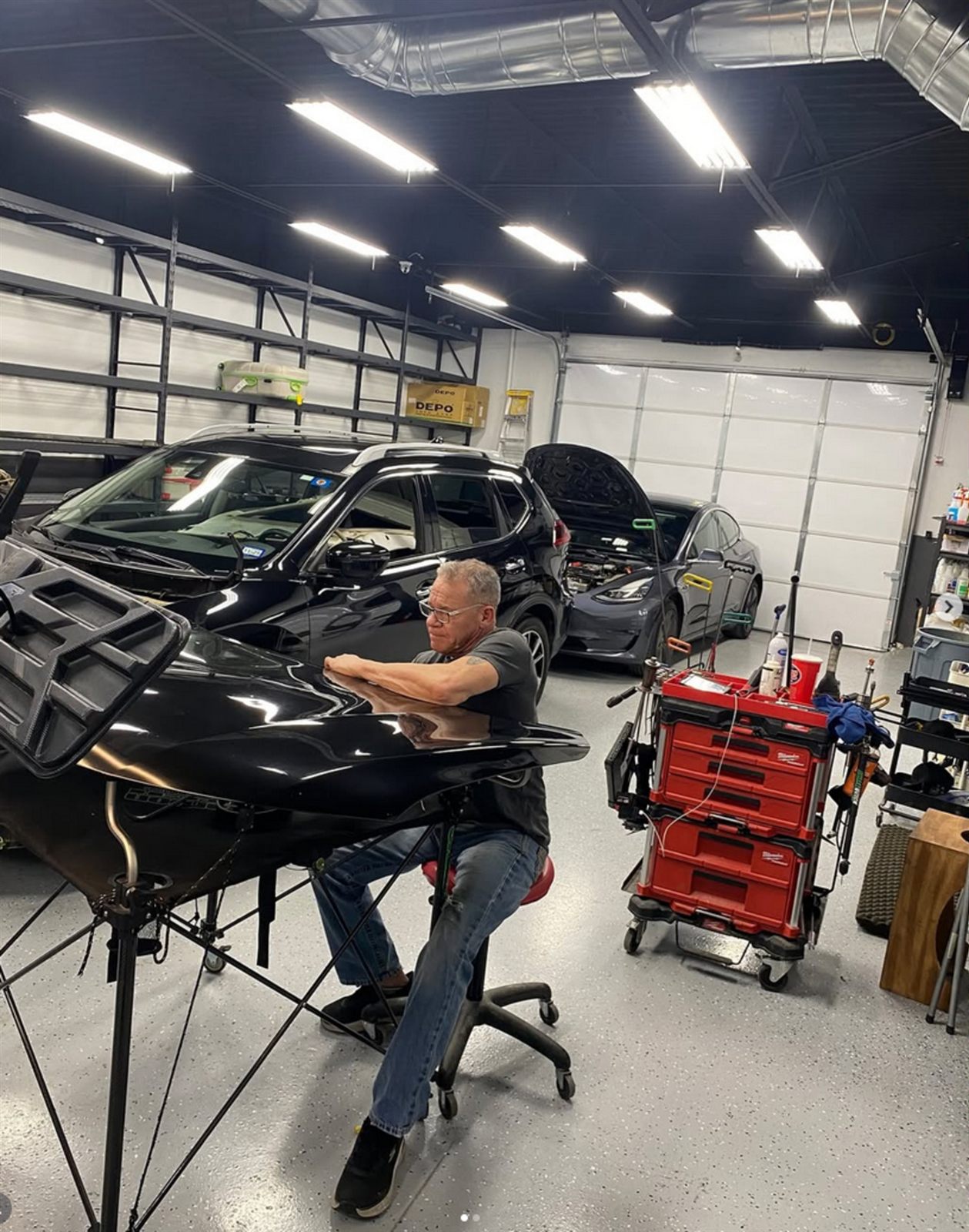
Every reviewed guide in this learning center is checked against what actually happens on the shop floor in Plano — 15+ years of paintless dent repair, thousands of vehicles, and technician training experience in the U.S. and Europe.
Meet Vytas and see his reviewed guides How DentPicks reviews repair adviceSend us photos of the damage or schedule an inspection at the Plano shop — we'll tell you honestly what your vehicle needs, what it should cost, and whether a claim makes sense.
Someone from the team will get back to you. If it is urgent, call (866) 336-8767 and you will reach the Plano shop.