

The short answer
File and inspect every damaged vehicle at the same time, then repair them one at a time. Each car is normally its own claim with its own deductible, and a full-vehicle repair takes about 5–10 business days in the shop, so sending them all in at once leaves the household without transport. Prioritize broken paint or glass first, then a lease near turn-in, then the heaviest damage.
 Written by the DentPicks Editorial Team
Technically reviewed by Vytas Kucinskas, Founder & Master PDR Technician
Written by the DentPicks Editorial Team
Technically reviewed by Vytas Kucinskas, Founder & Master PDR Technician
Published: Aug 19, 2026 · Last reviewed: Aug 19, 2026 · 9 min read
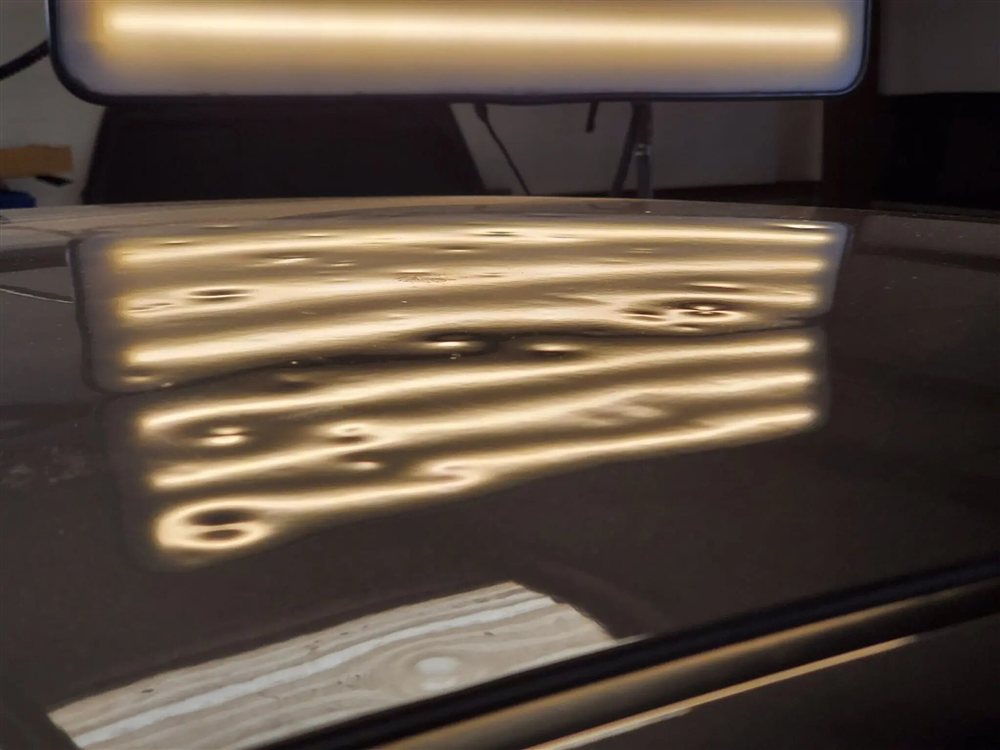
A hailstorm does not hit one car in a driveway. It hits the driveway. Households across North Texas routinely come out of a single storm with two or three damaged vehicles, and the instinct is to deal with all of them at once and get it over with. That instinct is almost always wrong — not because the shop cannot handle it, but because it leaves a family with no car for two weeks.
The better approach separates two things that feel like one: the claim work, which should happen for every vehicle at the same time, and the repair work, which should be staged.
Do the paperwork together, do the repairs in sequence
Everything on the administrative side benefits from being done in one pass. Every vehicle should be photographed, inspected and documented in the same week, ideally on the same day, while the storm date is unambiguous and the damage is uncontaminated by later parking-lot dings.
Repairs are the opposite. A full-vehicle hail repair typically runs about 5–10 business days in the shop — a typical range, not a guarantee — and post-storm volume or a part or trim order stretches it. Two vehicles in the shop simultaneously means two weeks with neither of them. Two vehicles in sequence means a longer calendar span but a household that never loses mobility.
Each vehicle is its own claim
Even on one policy covering three cars, hail damage is normally handled per vehicle: a separate claim number, a separate estimate, a separate comprehensive deductible, and separate rental coverage if you carry it. Coverage depends on the language of your policy, and your insurer or licensed agent can confirm your specific coverage — but plan on the deductible applying to each vehicle rather than once to the household.
That is worth knowing before you decide which cars to file on at all. A vehicle with very light peppering may sit close to or below its deductible while the SUV that was parked uncovered clearly does not. On many approved hail claims we waive the deductible up to $1,000, and that applies per approved claim rather than once per family — our hail deductible guide covers how it works.
The practical benefit of filing together is that one adjuster inspection can often cover several vehicles at one address on one visit, which is far easier than scheduling three separate appointments across three weeks.
Deciding which vehicle goes first
Some households have an obvious answer. Most do not, so here is the order of priority we would use.
| Priority | Send this vehicle first | Why |
|---|---|---|
| 1 | Anything with broken paint, cracked glass, damaged lamps or a leak | These are the only hail outcomes that genuinely get worse with time |
| 2 | A lease approaching turn-in | The turn-in date is fixed and it does not move for a storm |
| 3 | A vehicle you intend to sell or trade soon | Unrepaired hail is deconditioned at retail rates by appraisers |
| 4 | The most heavily damaged vehicle | Longest repair, most likely to need a supplement or parts — start the clock early |
| 5 | The daily driver | Do it while a repaired second vehicle is available to cover |
| 6 | The weekend or spare car | Lowest disruption, so it fills whatever gap is left |
A lease deadline outranks almost everything. Hail dents on a lease return get charged back at the leasing company's own rates, which is a worse outcome than a comprehensive claim with the deductible waived — our lease return dent repair guide explains the mechanics. Similarly, if one car is going to market, repairing before selling or trading usually pays for itself in the appraisal.
A sequencing plan that works for most households
- Photograph everything in one session. Every vehicle, every panel, low angle, straight reflection across the surface. Same day, same storm date.
- File all the claims together. One call, several vehicles. Ask whether one adjuster visit can cover them all.
- Get every vehicle inspected in one visit. We will read all of them under line boards and give you verbal ranges, usually in about 30 minutes per vehicle.
- Rank them using the table above, and decide which ones are actually worth claiming at all.
- Book vehicle one, hold a slot for vehicle two. After a big storm, the queue is the constraint. Reserving the second slot at the same time is what keeps the gap between repairs short.
- Swap on delivery day. The repaired car comes back, the next one goes out. On insurance-approved hail claims across DFW our pickup and delivery is complimentary, so the swap can happen at your house without anyone driving to Plano.
How this looks on the calendar
For a two-vehicle household with straightforward damage, a sequenced plan usually spans two to four weeks end to end, with the family holding a running car throughout. Run both at once and the same work compresses into one to two weeks — but with a fortnight of rentals, rides and rearranged school runs in the middle.
Three vehicles change the math. At that point staging all three sequentially can stretch past a month, and it is usually better to run one long repair alongside one short one, keeping the third at home. We will tell you which of your vehicles is the short job once they have all been read. Our guide on how long hail repair takes breaks down where the days actually go.
Rental coverage is the other calendar constraint. Insurance rental coverage typically runs up to 30 days, with extensions possible, and it applies per vehicle where you carry it. Sequencing spends those days one vehicle at a time instead of burning two allocations in the same fortnight.
Common mistakes with multi-vehicle households
- Sending everything in at once. The single most common regret. It feels efficient on day one and painful by day four.
- Filing on the lightly damaged car without checking the deductible. A claim that nets little after the deductible may not be worth opening.
- Inspecting the cars weeks apart. Documentation drifts, later dings blur into the storm damage, and a second North Texas storm can cross the same suburb before you finish.
- Forgetting the lease. Turn-in dates do not move, and hail chargebacks at lease return are assessed on the leasing company's terms rather than yours.
- Booking one repair at a time. After a big storm you are queuing behind everyone else in the region. Reserve both slots up front.
- Assuming one deductible covers the household. It normally does not. Confirm with your agent before you plan around it.
Storm timing and the DFW queue
North Texas hail arrives in waves, and so does the repair demand that follows it. After a significant event, every shop in the Metroplex is working the same wave, carriers' desks are reviewing the same wave, and part and trim orders queue behind it. Households that get inspected and scheduled in the first week or two are simply in a shorter line than those who wait for a convenient moment. Our DFW hail season guide covers when those waves typically arrive.
For Austin-area households the logistics differ: there is no shop in Austin, vehicles travel by trailer pickup and delivery, and transportation during the repair runs through your own rental coverage. Where two vehicles are going, ask about coordinating the trailer runs so one car returns as the next departs.
What to do next
Photograph every damaged vehicle this week, file the claims together, and ask for one adjuster visit covering all of them. Then have them all inspected in a single trip so you can rank them honestly instead of guessing which one is worst.
Inspections at the Plano shop are free and carry no obligation, quotes are usually verbal in about 30 minutes, and repairs carry a written lifetime warranty for as long as you own the vehicle. On insurance-approved hail claims we arrange complimentary pickup and delivery across DFW, which makes the vehicle swap between repairs about as painless as it gets. See how our hail repair process runs from inspection to delivery.
Frequently asked questions
Do I pay a separate deductible for each vehicle?
Normally yes. Hail is usually handled per vehicle, with its own claim number, estimate and comprehensive deductible even on one household policy. Coverage depends on the language of your policy, and your insurer or licensed agent can confirm your specific coverage before you plan around it.
Can one adjuster inspection cover all our cars?
Often yes, if the vehicles are at the same address and the claims are filed together. Ask when you file. One visit covering three cars is far easier to arrange than three appointments spread across three weeks after a busy storm.
Is it cheaper to repair several vehicles at once?
Not meaningfully. Hail pricing follows the panels and dents on each vehicle, so there is no household discount to chase by sending them together. The real saving from good scheduling is in rental days and disruption, not in the repair cost.
Which car should we send first?
Anything with broken paint, cracked glass, damaged lamps or a leak, because those are the only hail outcomes that genuinely worsen with time. After that: a lease approaching turn-in, a car headed for sale or trade, then the most heavily damaged vehicle.
Does the deductible waiver apply to every car we bring?
It is assessed per approved claim rather than once per household. On many approved hail claims we waive the deductible up to $1,000. It is not automatic and it is not a guarantee, so confirm it for each vehicle when the claim is approved.
Should we file on a car with only light damage?
Get it read under proper lighting first. Damage that looks light in a driveway often is not, but genuinely light peppering can sit close to the deductible. Knowing the real number for each vehicle is exactly why all of them should be inspected in one visit.
How long will the whole household take?
For two vehicles with straightforward damage, a sequenced plan usually spans two to four weeks end to end while you keep a running car throughout. Three vehicles can stretch past a month, so it is often better to pair one long repair with one short one.
Sources and methodology
- Automobile insurance guide — Texas Department of Insurance.
- After hail or windstorms: consumer tips — Texas Department of Insurance.
Repair, cost and timing statements that are not tied to a listed source come from DentPicks' own quoting and repair history at the Plano, TX shop. They are typical ranges and shop-floor observations, not industry statistics or promises — your vehicle, its condition, your policy language and your insurer determine your specific outcome.
Bring the whole driveway in for one inspection
We will read every vehicle under line boards in a single visit and help you rank them honestly. Then we stage the repairs so your household never runs out of cars.