

The short answer
If you own the vehicle outright, usually not: the settlement pays for the loss and your policy generally does not dictate how you spend it. If the car is financed or leased, you usually do, because loan and lease contracts commonly require proceeds to be applied to the collateral. Either way, unrepaired damage can reduce what a future hail claim pays on the same panels, and damaged glass, lights or seals should be repaired regardless. Coverage depends on the language of your policy.
 Written by the DentPicks Editorial Team
Technically reviewed by Vytas Kucinskas, Founder & Master PDR Technician
Written by the DentPicks Editorial Team
Technically reviewed by Vytas Kucinskas, Founder & Master PDR Technician
Published: Aug 19, 2026 · Last reviewed: Aug 19, 2026 · 9 min read
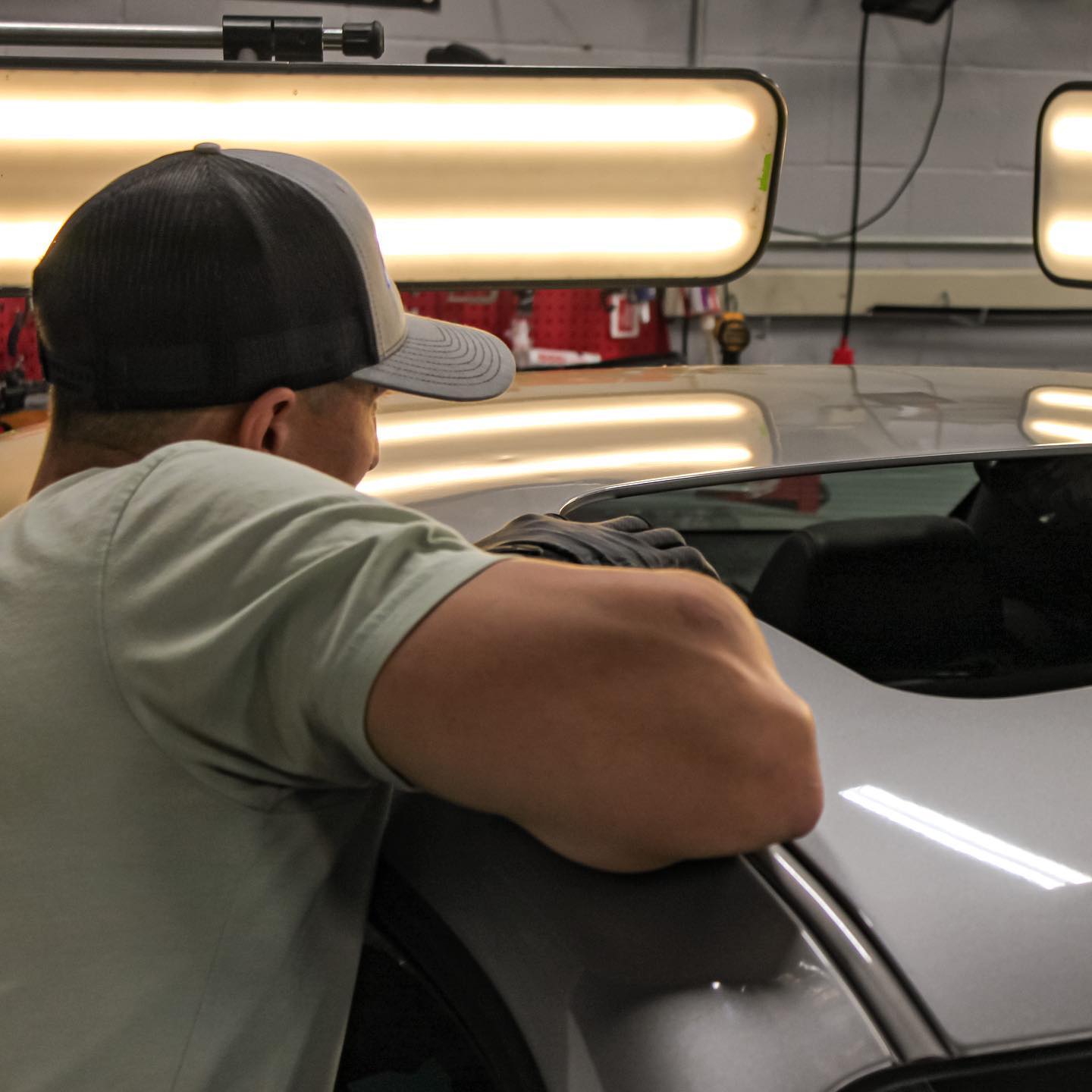
The estimate came in, the settlement cleared, and now there is a decision to make. The car still drives. The dents are on the roof where nobody looks. The money is in the account and the water heater just died. Do you actually have to spend it on the car?
The answer splits sharply depending on one thing: whether anyone else has a financial interest in the vehicle. If you own the car outright, you generally have latitude. If there is a loan or a lease, you usually do not. And in both cases, there are consequences to skipping the repair that do not show up until later.
If you own the vehicle outright
With a clear title and no lienholder, the settlement is generally yours to use as you see fit. Your policy pays for the loss; it does not typically police how you spend the payment. Plenty of Texas drivers take a hail settlement on an older vehicle, drive it dented for another five years, and that is a legitimate choice.
What changes is your relationship with the insurer going forward, and it changes in ways worth understanding before you decide. Coverage depends on the language of your policy, and your insurer or a licensed agent can confirm exactly how yours handles unrepaired damage.
If there is a loan or a lease, you generally do have to repair
A lienholder or leasing company has an interest in the collateral, and loan and lease contracts commonly require insurance proceeds to be applied to repairing the vehicle. That is precisely why settlements on financed cars are so often payable jointly and released through a loss-draft process against proof of repair. It is a contract obligation to your lender rather than a rule of Texas law — the controlling document is your loan or lease agreement, and the lender's loss-draft department can tell you what they permit.
What skipping the repair actually costs
1. Prior damage on the next claim
This is the consequence people underestimate. Insurers generally do not pay twice for the same damage. If you take a settlement for a dented roof and then a second hailstorm hits the same roof two years later, the second adjuster will be looking at panels that already had a documented, paid loss. Untangling old dents from new ones on the same panel is difficult, and the practical outcome is often a reduced second settlement.
Some insurers also flag unrepaired damage on the vehicle record, and some may restrict or exclude physical-damage coverage on the affected panels going forward. Whether that happens to you depends on the language of your policy and your insurer's practices, and it is a fair question to put to your agent before you cash out.
2. The safety items that are not optional
Cosmetic dents are one thing. Anything the storm did to glass, lighting, mirrors or seals is a different category. Cracked windshield glass in the driver's sightline, a broken lamp lens, a mirror that no longer holds position, or lifted weatherstripping that lets water into the cabin are not cosmetic decisions — the first two can be inspection and safety issues, and the last one turns into interior damage that costs far more than the dents ever would. If your settlement covered any of those, repair them regardless of what you do about the sheet metal.
3. Corrosion where the paint broke
A dent with intact paint is stable. The metal moved, the coating did not open, and the panel can sit that way for years — which is why paintless repair still works on hail damage that is a decade old. A dent with a chip, a crack or exposed metal is a different animal. That is an entry point, and North Texas heat cycling works at the edges of damaged coating every summer day. Our guide on what Texas heat does to unrepaired dents goes into what actually happens to the panel.
4. Resale and trade value
Appraisers decondition unrepaired hail damage at retail rates, not at what the repair would have cost you. On a car you intend to drive into the ground, that is theoretical. On a car you will trade or sell inside two or three years, the deduction usually exceeds what you kept. Our guide on repairing dents before selling or trading in covers how that deduction is applied.
The decision, laid out
| Your situation | Can you keep the money? | What to weigh |
|---|---|---|
| Owned outright, keeping the car long term | Generally yes | Prior-damage treatment on future claims; any broken paint |
| Owned outright, selling or trading within 2–3 years | Generally yes, but rarely wise | Retail-rate deconditioning usually exceeds the settlement |
| Financed | Usually not — check your loan contract | Loss-draft release against proof of repair |
| Leased | Usually not | Hail is graded as excess wear at turn-in, at the lessor's rates |
| Glass, lights, mirrors or seals damaged | Not sensibly | These are safety and water-intrusion items, not cosmetics |
| Declared a total loss | Different process entirely | Title branding and buy-back rules apply — see the total loss guide |
That last row matters if the estimate came close to the vehicle's value. Total-loss settlements carry their own consequences for the title and for what the vehicle can be insured for afterwards; when hail damage becomes a total loss in Texas covers it.
The deductible argument that usually settles it
Most people who cash out are really solving for out-of-pocket cost. They see a deductible standing between them and the repair and decide the dents are not worth it.
On approved hail claims we waive the deductible up to $1,000, which removes that obstacle on many claims — not all of them, and it is worth checking against your own numbers. When the out-of-pocket goes to zero, the calculation changes completely: you are no longer choosing between money and a repaired car, you are choosing between a repaired car and a dented one plus a settlement that may reduce what a future claim pays. Our hail deductible guide explains how the waiver works.
What we will and will not tell you
We will not tell you your claim will be approved, what it will pay, or that a repair is guaranteed to be paintless. What we can do is look at the car under LED line boards at the Plano shop, count the panels honestly, tell you which ones can be worked from behind with the factory finish intact and which genuinely need refinishing or replacement — we do what is best for the vehicle — and give you a straight verbal quote, usually within about 30 minutes from photos. Repairability depends on paint condition, metal stretch, panel access and prior repairs.
You file the claim. It is your policy and your contract. We walk alongside: the photo set that documents the damage, meeting the adjuster at the vehicle, writing the supplement when the first estimate misses panels, and handling the paperwork that follows.
Common mistakes
- Cashing out on a financed car without asking the lender. The loss-draft process exists for a reason, and defaulting on a loan term to keep a few hundred dollars is a bad trade.
- Assuming a second storm will pay for a fresh repair. It generally will not pay twice for the same panels.
- Treating broken glass as cosmetic. A chip becomes a crack with the first cold morning, and many windshields carry the forward-facing camera for driver-assistance systems.
- Waiting a year, then deciding to repair after all. Paintless repair is still possible on old dents with intact paint, but the claim itself may be long closed and the settlement spent.
- Letting a driveway crew do a cheap partial job so the money stretches. A bad pull stretches metal and can turn a paintless repair into a repaint.
What to do next
Check three things before you decide: whether anyone else has a lien or title interest in the vehicle, whether any of the damage is to glass, lights or seals, and whether any of the dents have broken paint. If all three come back clean and you plan to keep the car for years, keeping the money is a defensible choice. If any of them do not, repair is almost always the cheaper answer over the life of the vehicle.
At DentPicks in Plano we inspect hail damage free of charge under proper reflection lighting and tell you honestly what is there before you commit to anything. Repairs carry a written lifetime warranty for as long as you own the vehicle — it is not transferable — quality control is signed off by whoever runs quality control and visible in your customer portal, and full-vehicle hail work typically takes about 5–10 business days in the shop. See finished work in our before and after gallery, or read how our hail repair process runs from inspection to delivery.
Frequently asked questions
Is it illegal to keep a hail insurance payment without repairing?
On a vehicle you own outright with no lien, generally no — the settlement pays for a loss you actually suffered. Where a loan or lease exists, the restriction is contractual rather than criminal: your agreement commonly requires proceeds to be applied to the repair, and a lender's loss-draft process is how they verify it.
Will my insurer pay again if a second storm hits the same panels?
Generally not for the same damage twice. A second adjuster looking at panels with a documented, previously-paid loss has to separate old dents from new ones, and the practical result is often a reduced settlement. Some insurers also note unrepaired damage on the record.
Can my insurer drop the comprehensive coverage on unrepaired panels?
Some insurers restrict or exclude physical-damage coverage on panels with known unrepaired damage. Whether that applies to you depends on the language of your policy and your insurer's practices, so ask your insurer or a licensed agent directly before you decide to cash out.
What if I want to repair later, after driving it dented for a while?
Paintless dent repair still works on old hail damage as long as the paint is intact — the metal was displaced, not opened. What is harder to recover is the money, since the claim will typically be closed and the settlement spent. Dents with cracked or missing paint are the ones that genuinely worsen.
My lender sent the check to me directly. Does that mean I can keep it?
Not necessarily. Some lenders release funds without a repair requirement on smaller settlements, but the obligation lives in your loan contract rather than in how the check was routed. Call the lender's loss-draft department and ask before assuming.
Does unrepaired hail damage hurt my trade-in value?
Yes. Appraisers decondition hail damage at retail rates, not at what the repair would have cost you. On a car you plan to trade or sell within a couple of years, the deduction usually exceeds the settlement you kept.
What if the deductible is the only thing stopping me?
On approved hail claims we waive the deductible up to $1,000, which removes the out-of-pocket obstacle on many claims — not all of them. Check it against your own numbers, because once out-of-pocket goes to zero the whole calculation changes.
Sources and methodology
- Automobile insurance guide — Texas Department of Insurance.
- After hail or windstorms: consumer tips — Texas Department of Insurance.
Repair, cost and timing statements that are not tied to a listed source come from DentPicks' own quoting and repair history at the Plano, TX shop. They are typical ranges and shop-floor observations, not industry statistics or promises — your vehicle, its condition, your policy language and your insurer determine your specific outcome.
Deciding whether the repair is worth it?
Bring the car to Plano and we will read the panels under proper lighting, tell you what is actually there, and let you make the call with real information rather than guesswork.