
How comprehensive coverage, deductibles, adjusters, supplements and total-loss decisions really work for Texas drivers — sourced against Texas Department of Insurance consumer guidance, with the shop-side view added.
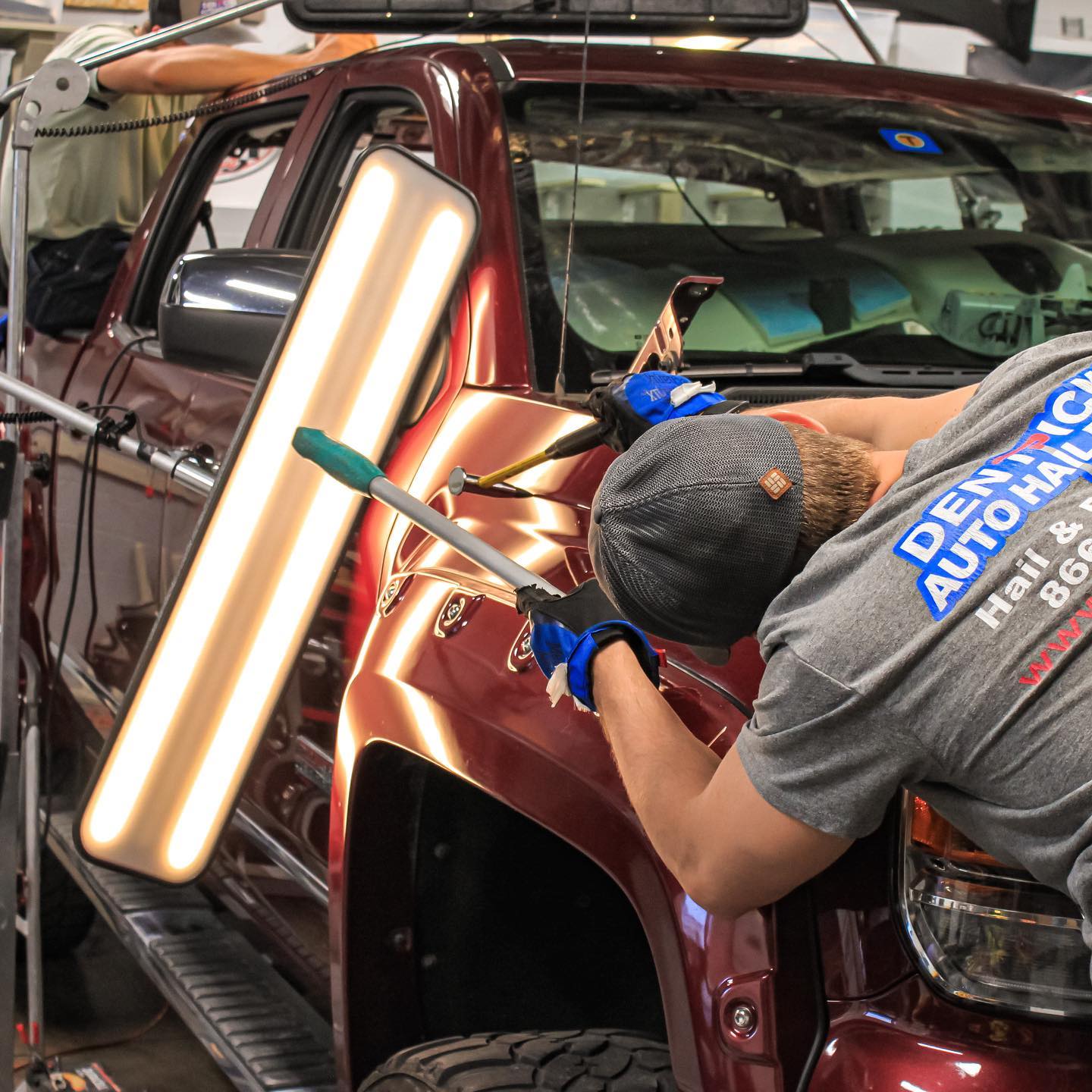
Yes. In Texas you have the right to choose the repair shop for your vehicle — an insurer cannot require you to use its preferred shop, although it can recommend one.
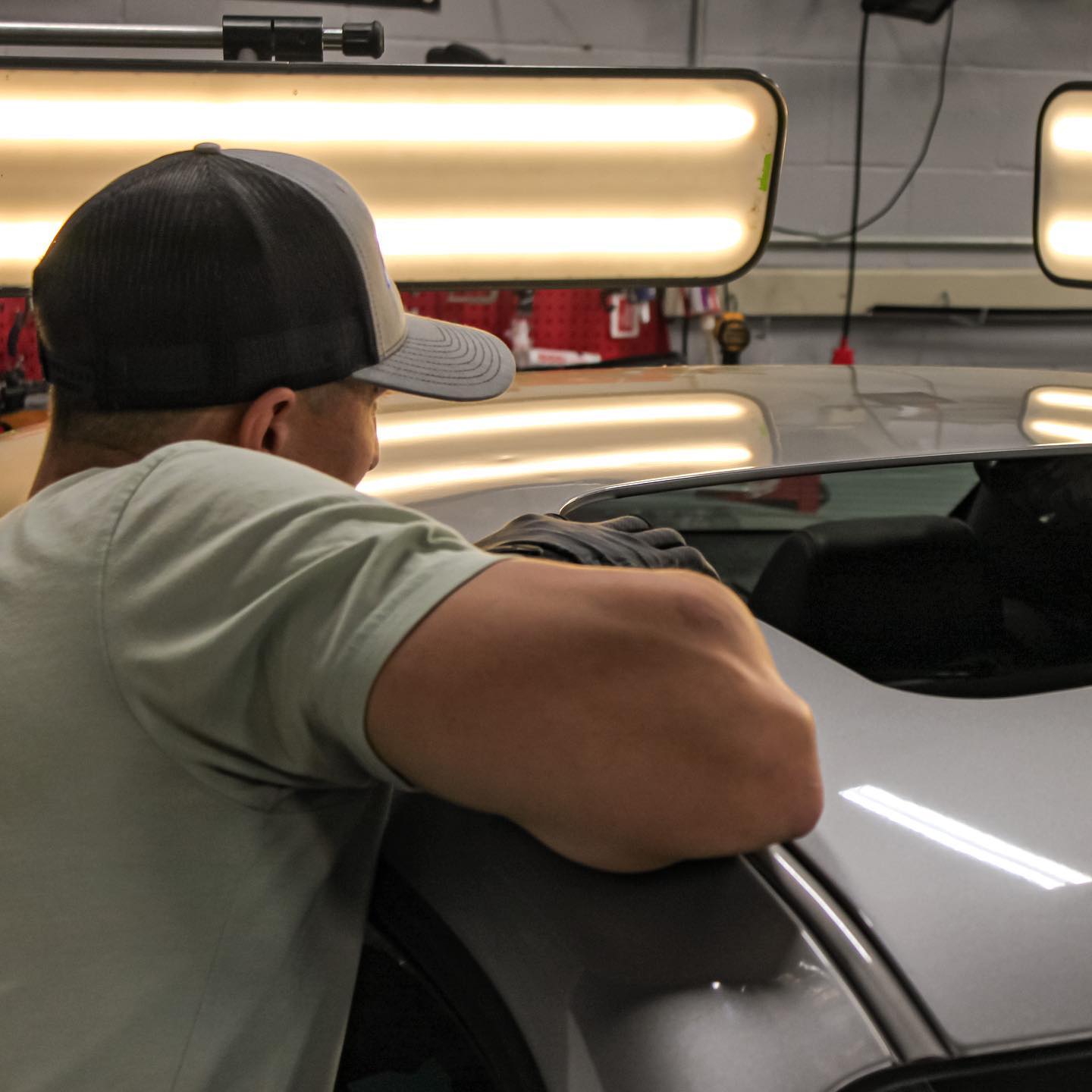
No and yes. Hail is a comprehensive loss with no fault assigned, so one hail claim is generally not a surcharge event the way an at-fault collision claim can be.

Start by getting the insurer's position in writing — the specific reason for a denial, or the line-by-line estimate behind an underpayment.
Much like on an owned car: you report the claim to your insurer, an adjuster inspects, and you choose the repair shop.
The claim itself is unchanged: you file it, an adjuster inspects, an estimate is written, and you choose the repair shop. What changes is the money.
Most insurers accept an approximate date of loss, so report the claim rather than waiting until you are certain.
File a separate claim for each vehicle, using the same storm date on all of them.
If you own the vehicle outright, usually not: the settlement pays for the loss and your policy generally does not dictate how you spend it.

It depends on which kind of prior damage it is. Damage already paid on an earlier claim and never repaired is commonly excluded, because most policies do not pay twice for the same loss.
Only if you carry rental reimbursement, which is optional coverage separate from comprehensive.
Check three things before cashing out. Confirm whether your lender or leasing company allows it, since financed and leased vehicles often require repair.
Because someone besides you has a financial interest in the vehicle.
Before authorizing work, get the line-by-line estimate and confirm five things in writing: your comprehensive deductible and who the payment goes to, that the shop choice is yours, what panels and dent counts the estimate used, whether OEM or aftermarket parts and…
An insurance supplement is a documented request to add repair costs that the first estimate missed.
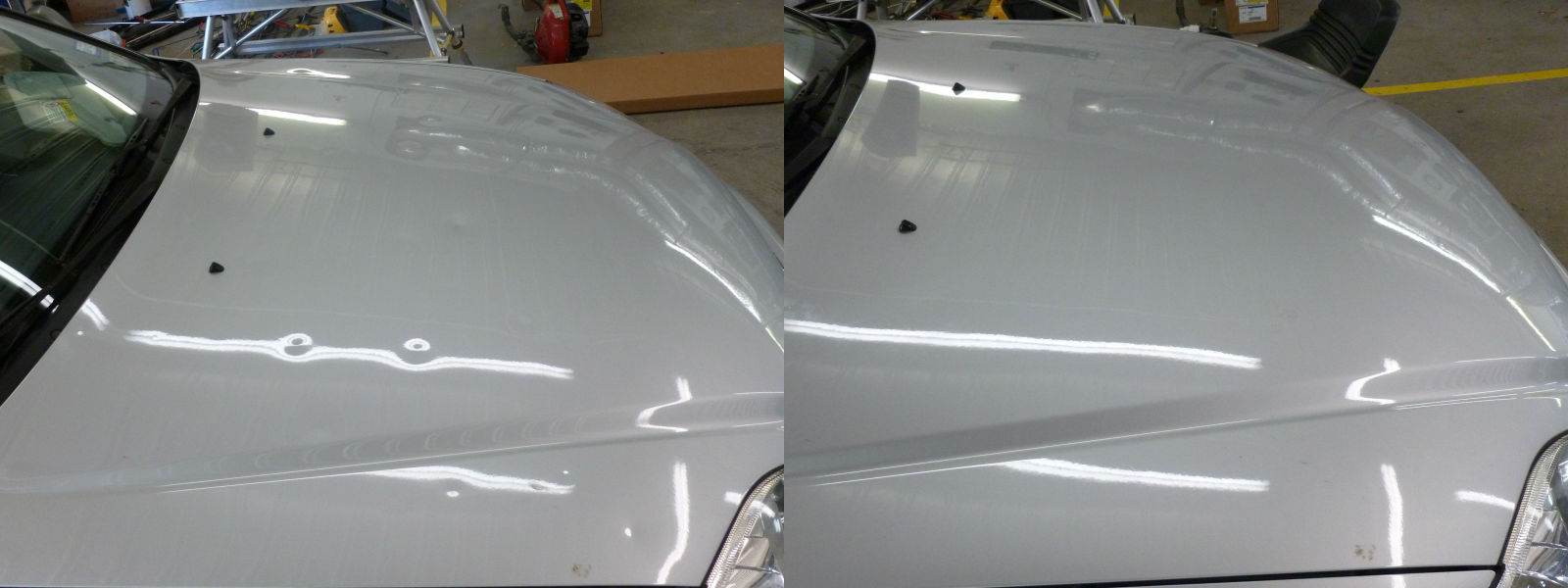
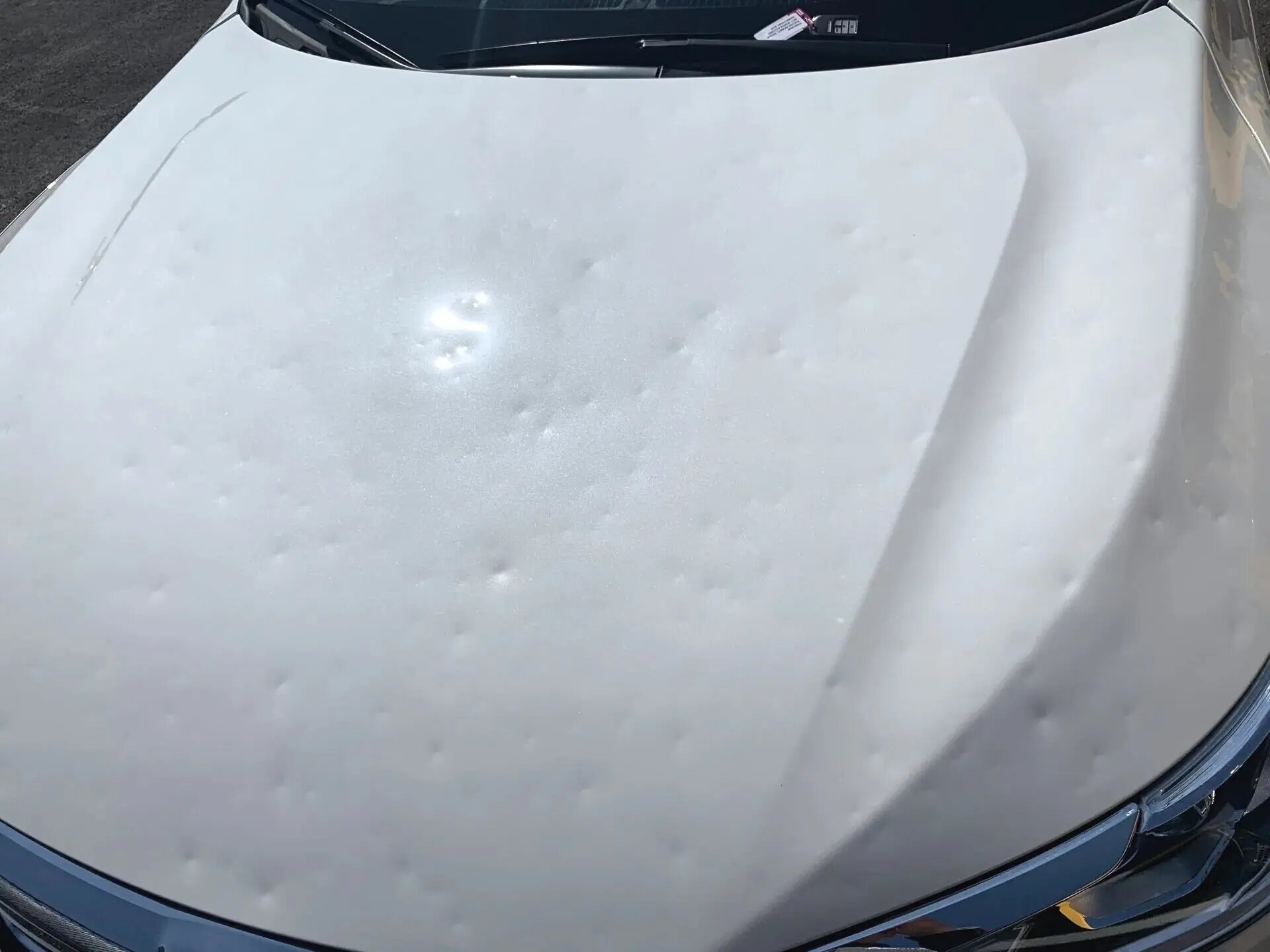
An insurer totals a hail-damaged car when the repair cost plus expected salvage approaches the vehicle's actual cash value under that insurer's threshold. Older or high-mileage vehicles with severe, widespread dents are totaled most often.
Most Texas auto policies do not set a fixed number of days to file a hail claim, but they do require prompt notice, and waiting makes damage harder to document and easier to dispute.
During an adjuster inspection, the insurance adjuster examines your vehicle, counts and measures hail dents, and writes the initial repair estimate.
In Texas, hail damage is covered by the comprehensive portion of your auto policy, not collision. You pay your deductible — typically $500 or $1,000 — and your insurer pays the rest of a covered repair.
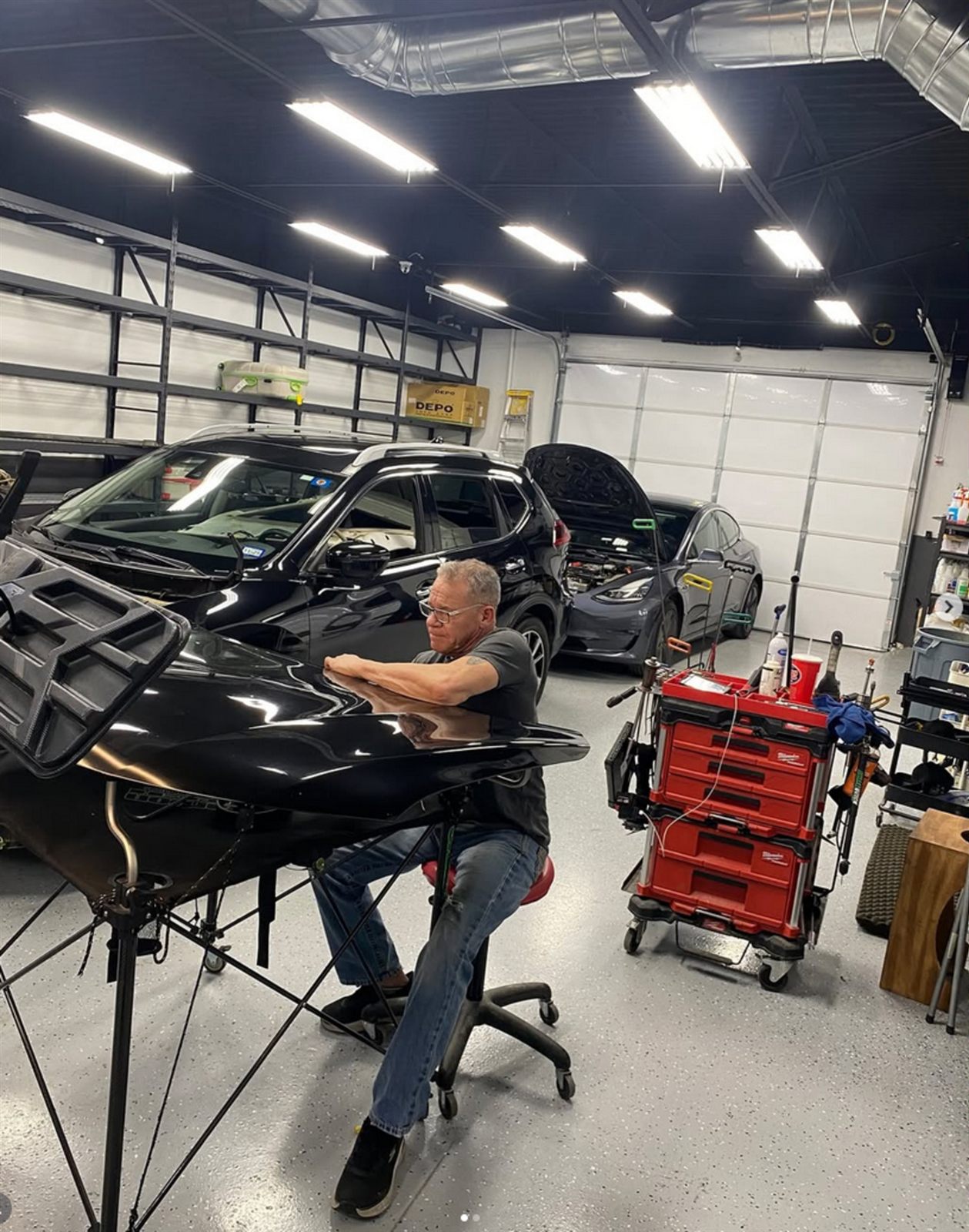
Every reviewed guide in this learning center is checked against what actually happens on the shop floor in Plano — 15+ years of paintless dent repair, thousands of vehicles, and technician training experience in the U.S. and Europe.
Meet Vytas and see his reviewed guides How DentPicks reviews repair adviceSend us photos of the damage or schedule an inspection at the Plano shop — we'll tell you honestly what your vehicle needs, what it should cost, and whether a claim makes sense.
Someone from the team will get back to you. If it is urgent, call (866) 336-8767 and you will reach the Plano shop.