

The short answer
Not always. If the supplement was written before any disassembly and the carrier is clearing it on documentation, the car is usually drivable and can go home until approval or parts arrive. It should stay if trim, glass or headliner have been removed, or if a field adjuster has requested a physical re-inspection — pulling it out then restarts the review. Ask the shop which situation applies.
 Written by the DentPicks Editorial Team
Technically reviewed by Vytas Kucinskas, Founder & Master PDR Technician
Written by the DentPicks Editorial Team
Technically reviewed by Vytas Kucinskas, Founder & Master PDR Technician
Published: Aug 19, 2026 · Last reviewed: Aug 19, 2026 · 9 min read
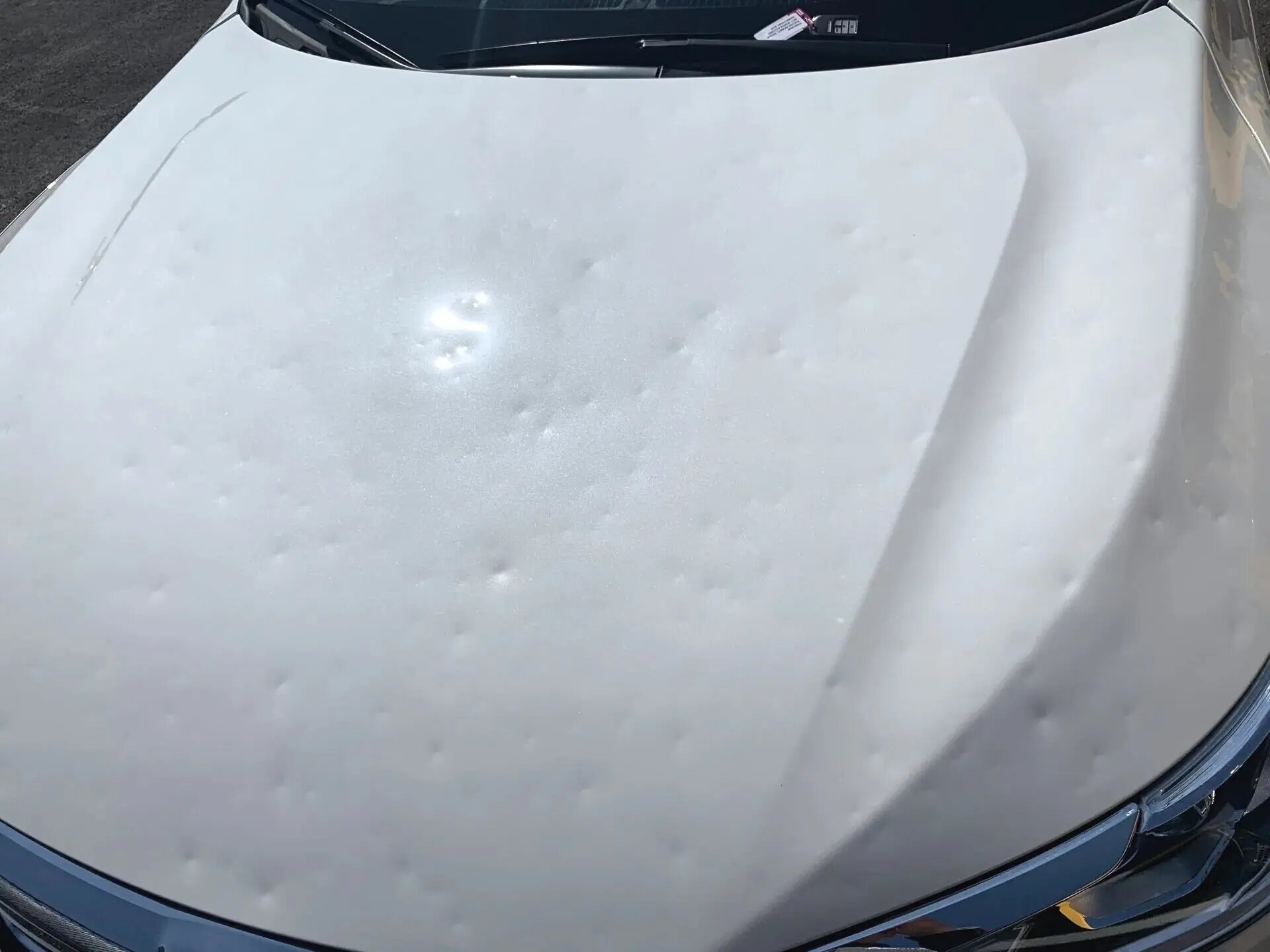
A supplement is the most common reason a hail repair takes longer than the first estimate suggested, and it is also the point where most customers start wondering whether their car is being held hostage. It is a fair question. You dropped the vehicle off, work seemed to start, and now everything is waiting on an insurance desk somewhere for a decision about money.
The honest answer is that it depends less on the insurer and more on where the vehicle sits in the repair when the supplement goes out. Sometimes the car has to stay. Sometimes it should go home and come back. Knowing which situation you are in is the difference between a productive wait and a pointless one.
What a supplement actually is
An estimate written outdoors, or from photographs, or from a drive-through hail catastrophe unit, is a first pass. It captures the dents that were visible under whatever light was available and prices them against the damage the estimator could see. A supplement is the correction to that first pass: additional dents found under proper lighting, panels that turn out to need replacement rather than repair, broken clips and trim discovered during disassembly, blend panels, calibration operations, or labor operations the original estimate simply omitted.
Supplements are routine on hail. They are not a dispute, and they are not a sign that anything went wrong. Our longer explainer on how hail repair supplements work walks through the mechanics; this page is about the practical question of where your car sits while one is pending.
The short answer, by repair stage
Supplements happen at three different moments, and each one has a different answer.
| When the supplement is filed | Does the car stay? | Why |
|---|---|---|
| After the initial in-shop inspection, before any disassembly | Usually no | Nothing has been taken apart. If the review or a parts order will take a while, you can drive the car and come back on a firm date. |
| After disassembly, with headliner, trim or glass out | Yes | The vehicle is not roadworthy in that state, and the disassembled condition is exactly what the supplement is documenting. |
| Mid-repair, when a panel turns out to need replacement | Usually yes | Work on other panels normally continues while that one line item is reviewed, so the car is still in production. |
That first row matters more than most people realize. A large share of hail supplements are written at the very beginning, once the panels have been read properly under reflection lighting rather than in a parking lot. At that stage the vehicle is completely intact and completely drivable, and there is no reason for it to sit in a lot waiting for an adjuster's inbox.
Why insurers usually want the vehicle available
A supplement is a request to pay for damage that was not in the original estimate, so the reviewer's job is to verify it exists. That verification happens one of three ways: documented photos with the panel identified, a desk review against the shop's written line items, or a physical re-inspection by a field adjuster.
Most hail supplements clear on documentation. Some do not. If a reviewer wants to see a panel in person, and the vehicle has already left, everything restarts — you drive back, the adjuster reschedules, and days you already spent waiting get spent again. That is the risk of pulling a car out mid-review, and it is why the safe default when a re-inspection has been requested is to leave it where it is.
How this runs at the Plano shop
We read every hail vehicle under LED line boards before anything else happens, because a large percentage of hail dents are invisible in daylight and on a parking-lot walkaround. That first reading is where most of our supplements originate, which means we usually know within the first day or two whether one is needed.
When a supplement goes out before disassembly and there is no re-inspection request, we will normally hand you the keys and put you on the schedule for a firm return date. When the supplement is tied to something we have already taken apart, the vehicle stays — a car with the headliner dropped for roof access is not something anyone should be driving. Either way the status, the line items in question and the quality control sign-off at the end are visible in your customer portal, and you get live updates rather than having to call and ask.
You file the claim; we walk alongside you through it. That includes writing the supplement, sending the supporting photos, and being on the phone or on-site with the adjuster when a panel needs discussing. What we do not do is decide for your carrier what they will pay.
What a supplement wait does to your timeline
A full-vehicle hail repair typically runs about 5–10 business days in the shop once work is genuinely underway. That is the wrench time, and it is a typical range rather than a guarantee. Supplement review time sits outside it. So does waiting on parts or trim, which is often the longer half of the delay when a panel needs replacing.
Post-storm volume stretches everything. After a significant DFW hail event, every shop in the region is working through the same wave at the same time, carriers' desks are backed up with the same wave, and part and trim orders queue behind the same wave. Our guide on how long hail repair actually takes breaks the stages apart.
On the rental side, insurance rental coverage typically runs up to 30 days, with extensions possible when a repair genuinely justifies them. Coverage depends on the language of your policy — your insurer or licensed agent can confirm your specific coverage. The practical point is that rental days spent sitting in a lot waiting on a desk review are rental days you do not get back later when the car is actually being repaired. That is the strongest argument for driving your own vehicle during a pre-disassembly supplement wait.
Common mistakes during a supplement wait
- Pulling the car out mid-review without telling the shop. If a re-inspection is pending, this resets the clock and can leave the supplement unverifiable.
- Assuming silence means nothing is happening. Supplement review is mostly invisible from the outside. Ask where it sits rather than guessing.
- Burning rental days early. If the vehicle is drivable and intact, drive it. Save the coverage for the stretch when the car is actually apart.
- Approving a partial repair to move things along. Once a panel is repaired to a lower standard because the supplement was denied and nobody pushed back, you own the result. Get the disagreement resolved first.
- Letting a second opinion re-inspect and re-photograph the vehicle mid-supplement. Conflicting documentation from two shops slows a review dramatically. Choose your shop first — you have the right to, as our guide on choosing your own hail repair shop in Texas explains.
If your vehicle came in on a trailer
Austin-area vehicles reach us by trailer pickup and delivery rather than by driving up, and that changes the math. Sending a car back to Austin and bringing it north again for a supplement re-inspection is not a casual round trip, so for trailered vehicles we generally hold the car and work the supplement through documentation wherever possible. Rental for Austin customers runs through their own rental coverage rather than through our DFW pickup and loaner arrangement.
What to do next
If a supplement is pending on your vehicle right now, ask two questions: is the car apart, and is a physical re-inspection scheduled. If the answer to both is no, ask about driving your own car until the approval or the parts land. If the answer to either is yes, leave it and let the process finish — an interrupted supplement usually costs more days than it saves.
If you have not started yet and you want the supplement written correctly the first time, the inspection lighting is what matters most. We inspect hail vehicles free of charge under PDR lighting at the Plano shop, quote verbally in about 30 minutes from photos, waive the deductible up to $1,000 on many approved hail claims, and arrange complimentary pickup across DFW on insurance-approved hail claims. See how our hail repair process runs, or look at finished work in the before and after gallery.
Frequently asked questions
Can I ask for my car back while a supplement is being reviewed?
Yes, if the vehicle is still fully assembled and no re-inspection has been requested. Tell the shop before you come, so the supplement documentation is complete and you get a firm return date rather than going back to the end of the queue.
How long does an insurance supplement review usually take?
It varies by carrier and by how busy the desk is. Reviews that clear on documentation move faster than ones needing a field adjuster to re-inspect. After a major DFW storm, every carrier's desk is working through the same wave, which stretches everything.
Does supplement waiting time count against my rental coverage?
Usually yes — rental coverage is measured in days, not in repair stages. Insurance rental coverage typically runs up to 30 days with extensions possible. Coverage depends on the language of your policy, and your insurer or licensed agent can confirm your specific coverage.
Who submits the supplement, me or the shop?
The shop writes and submits it with supporting photos and line items. You file the claim and remain the policyholder throughout; we walk alongside you, join adjuster conversations and handle the paperwork, but we do not file or decide the claim for you.
What happens if the insurer denies part of the supplement?
The denied line items get discussed, re-documented or escalated before repair continues on those panels. Do not authorize a lesser repair just to move things along — once a panel is finished to a compromised standard, the disagreement is much harder to reopen.
Will a supplement change my deductible?
No. The deductible applies once to the claim, not to each estimate revision. On many approved hail claims we waive the deductible up to $1,000, which is separate from what the carrier approves in the supplement.
Sources and methodology
- Automobile insurance guide — Texas Department of Insurance.
- After hail or windstorms: consumer tips — Texas Department of Insurance.
Repair, cost and timing statements that are not tied to a listed source come from DentPicks' own quoting and repair history at the Plano, TX shop. They are typical ranges and shop-floor observations, not industry statistics or promises — your vehicle, its condition, your policy language and your insurer determine your specific outcome.
Waiting on a supplement and unsure where your car should be?
Call the Plano shop and we will tell you plainly whether the vehicle needs to stay or can go home until approval lands. If we are writing the supplement, you can follow it in your customer portal.