

The short answer
No. A DentPicks written lifetime warranty covers the repair for as long as you own the vehicle and ends when the vehicle changes hands. That is standard for workmanship warranties across the trade. What does carry over is the repair itself — correctly executed paintless work is permanent — plus the estimate, invoice and quality-control record, which is usually what a buyer actually wants to see.
 Written by the DentPicks Editorial Team
Technically reviewed by Vytas Kucinskas, Founder & Master PDR Technician
Written by the DentPicks Editorial Team
Technically reviewed by Vytas Kucinskas, Founder & Master PDR Technician
Published: Aug 19, 2026 · Last reviewed: Aug 19, 2026 · 9 min read
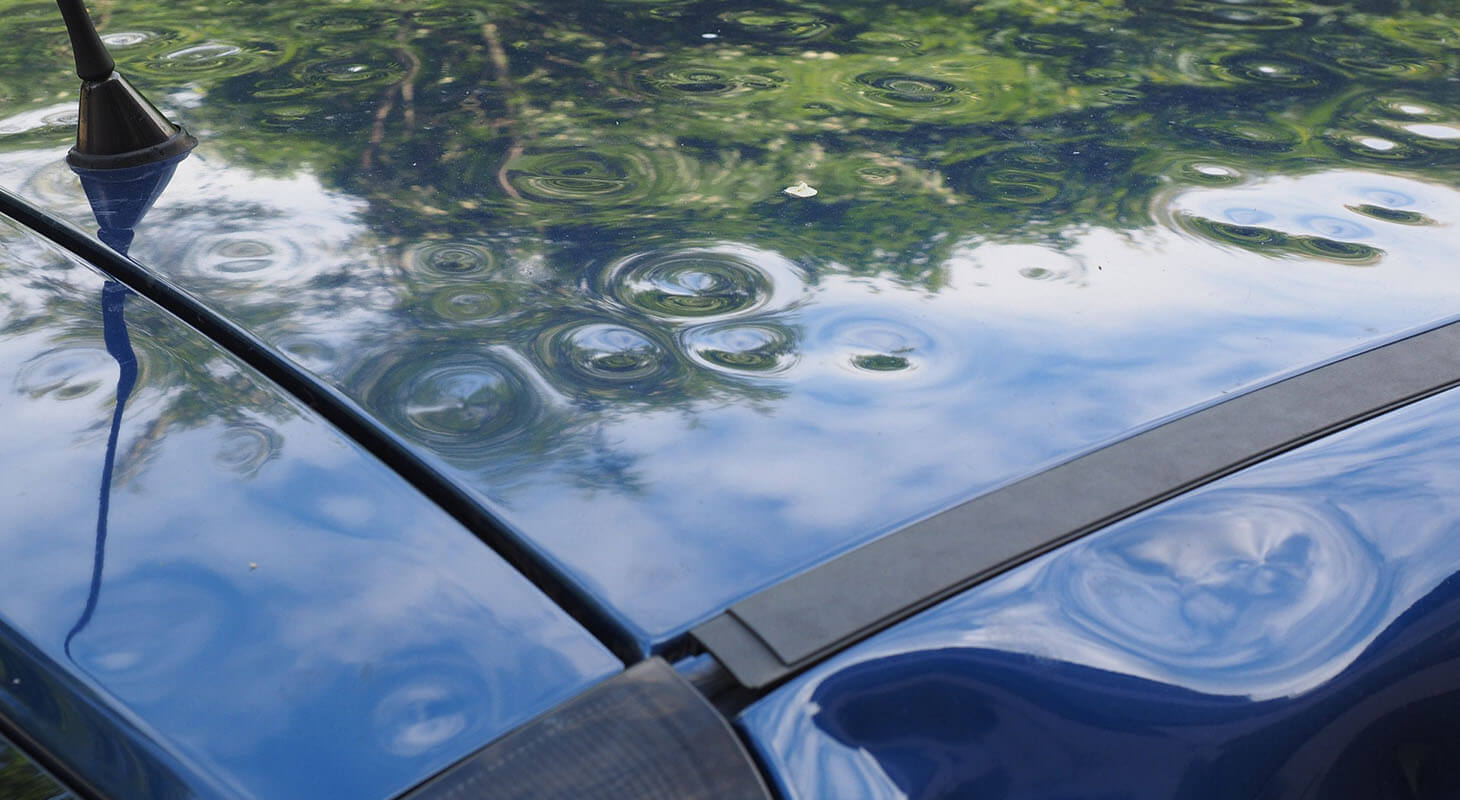
The question usually comes up at one of two moments: you are selling a car you had repaired and want to include the warranty as a selling point, or you are buying a used car with obvious prior dent work and want to know whether you inherit anything. In both cases the answer is the same and it is worth being direct about it.
Our written lifetime warranty covers the repair for as long as you own the vehicle. It is not transferable to a new owner. When the title changes hands, the coverage ends. We put that in the estimate rather than in fine print, because the alternative is someone finding out at the worst possible time.
Why PDR warranties generally do not transfer
A workmanship warranty is a promise to a specific person about a specific piece of work on a specific vehicle. Three practical reasons keep it there.
- Chain of custody breaks. Once the vehicle leaves the original owner, the shop has no visibility into what happened to it — miles driven, storms sat through, other shops' work, DIY attempts on the same panel. A warranty is only defensible when the shop can reason about the panel's history.
- The condition record belongs to the original job. What we documented at inspection was the panel's condition on that day, for that customer. A second owner has no record of anything between the sale and the complaint.
- It is a service agreement, not a product guarantee. A part comes with the part. Labor comes with the relationship, and the relationship is with the person who commissioned the work.
This is standard across the trade, not a DentPicks quirk. Where you see "transferable lifetime warranty" advertised, it is worth reading exactly what transfers and under what conditions — there is often a fee, a registration window, or a much narrower scope than the original coverage.
What does carry over to the next owner
The warranty ends. The repair does not. This distinction matters more than people expect, because a correctly executed paintless repair is a permanent fix, not a temporary one.
In PDR, the metal is worked back to its original shape from behind, and the factory paint is never disturbed. There is no filler to shrink, no repaint to fade at a different rate, no edge to lift. Whoever ends up owning the car has a panel that is genuinely repaired, with its original finish intact — which is precisely why paintless work protects resale value in a way that filler and respray does not. Our guide on how paintless dent repair works explains the mechanics.
So what actually transfers is the quality of the outcome, and the documentation that proves it happened. Both are worth something at sale.
Selling a car you had repaired
You cannot hand over the warranty, but you can hand over the evidence, and for most buyers the evidence is what they wanted anyway. A buyer asking about a warranty is usually asking a different question underneath: was this fixed properly, or was it hidden?
- Keep the paperwork. The estimate, the invoice and the warranty document all name the vehicle by VIN and list the panels repaired. That answers the buyer's real question.
- Show the QC record. Finished work at our shop is signed off by whoever runs quality control, visible in your customer portal. A dated record of an inspected, signed-off repair reads very differently from "I had a guy do it."
- Be straightforward that it was PDR. Paintless work is a selling point. It means the panel kept its factory finish rather than being filled and resprayed.
- Repair before you list, not after. Unrepaired damage is deconditioned at retail rates by appraisers, which typically costs more than the repair. Our guide on repairing dents before selling or trading in covers the math.
Buying a used car with prior dent work
Assume you inherit no warranty from anyone. What you should do instead is assess the repair itself.
| What to check | Why it matters |
|---|---|
| Panel reflections in even light | Look along the panel at a shallow angle, not straight on. A good PDR repair reads clean; a poor one shows low ripple or high spots in the reflection. |
| Paint texture and gloss consistency | A panel that reflects differently from its neighbors usually means it was refinished, not paintlessly repaired. |
| Panel gaps and trim fit | Uneven gaps or loose clips can indicate a panel that came off — or was replaced. |
| Whether the repair paperwork exists | A seller who can produce a VIN-matched estimate and warranty document has a documented repair. One who cannot has a story. |
| The vehicle-history report | PDR itself creates no record. But an adjuster-required panel replacement can be reported, so an entry there tells you the damage went beyond paintless work. |
Leases, fleets and company vehicles
Transferability comes up in a specific way on leased vehicles. You do not own the car, so the natural question is whether any warranty means anything at all.
In practice it does, because the coverage runs with your possession of the vehicle through the lease. What it will not do is follow the car back to the leasing company or on to whoever buys it at auction. For lease returns the more useful point is timing rather than coverage — dents assessed at turn-in are charged at the lessor's schedule, which is usually considerably more than a repair booked in advance. Our lease return dent repair guide and our lease return service page cover what actually gets flagged at inspection.
What the warranty is worth while you still own the car
Because the coverage is tied to your ownership, its practical value depends on how long you plan to keep the vehicle — and that is a more useful way to think about it than as a resale asset you might one day hand over.
If you are keeping the car for years, the warranty is doing real work. North Texas panels heat-cycle hard through the summer, and a written commitment on workmanship over that period has genuine weight. If you are selling within a few months, the coverage will barely be exercised, and what matters instead is the finish quality and the documentation — both of which survive the sale.
Either way, the cost of the repair does not change. Our own quoting has generally run roughly $75–$200 for door dings, $150–$450 for mid-size dents, and $400 and up for large or complex panel work; full-vehicle hail is priced per panel according to dent count, dent size and how accessible the back of each panel is. Those are our shop's ranges from our own quoting history rather than published industry figures, and any specific vehicle can fall outside them.
Common misunderstandings
- "Lifetime means the life of the car." It means the life of your ownership. Those are different sentences and only one of them is in the document.
- "A non-transferable warranty means the repair is temporary." No. A correctly executed paintless repair is permanent; the warranty is about who can bring a complaint, not about how long the metal holds.
- "The next owner can just register the warranty." Not with us. If another shop offers this, read the transfer conditions carefully — scope and duration usually shrink.
- "Hail repair will show up on the history report and kill the warranty." Two separate things. PDR creates no vehicle-history record, and a history entry has no bearing on warranty coverage either way.
- "I should get the dents fixed after I sell, cheaper for the buyer." Appraisers and buyers both discount visible damage more than the repair costs.
What to do next
If you own the vehicle and had it repaired with us, your coverage is active — keep the paperwork, and use the customer portal record if you ever need it. If you are selling, gather the documents rather than promising a warranty you cannot pass on; the documentation does the same job with a buyer.
If you are buying a car with visible or suspected prior dent work, get it looked at before you commit. Send photos for a verbal read in about 30 minutes, or bring it to the Plano shop for a free inspection under proper lighting. You can see examples of finished paintless work in our before and after gallery, read about our dent repair process, or learn how the shop operates.
Frequently asked questions
Can I pay a fee to transfer the warranty to a buyer?
Not with us — our coverage is defined by your ownership and there is no transfer option. Where other shops advertise transferable coverage, read the conditions closely: transferred warranties typically carry a shorter term and a narrower scope than the original.
Does the repair itself last after the warranty ends?
Yes. In paintless dent repair the metal is worked back to shape from behind and the factory finish is never disturbed, so there is no filler to shrink and no respray to fade. The end of coverage is about who can bring a claim, not about the durability of the panel.
I am buying a used car with prior PDR. How do I check the quality?
Look along each panel at a shallow angle in even light — a good repair reads clean in the reflection, a poor one shows ripple or high spots. Then ask for VIN-matched repair paperwork. If you want certainty, bring the car to the Plano shop and we will read the panels under LED line boards at no charge.
Will prior dent repair show on the vehicle-history report?
Paintless dent repair creates no vehicle-history record. What can be reported is an adjuster-required panel replacement, because that appears as an insurance claim with parts replaced. A history entry has no effect on warranty coverage either way.
Does the warranty apply on a leased vehicle?
It runs with your possession of the vehicle during the lease. It does not follow the car back to the leasing company or on to an auction buyer. For lease returns the bigger issue is timing — see our lease return guide.
Should I repair dents before selling, or discount the price instead?
Repairing usually wins. Appraisers decondition visible damage at retail rates, and most single dents fall inside our $75–$450 quoting range — well under the deduction a buyer or trade appraiser typically applies. Those are our shop's ranges, not industry figures.
Sources and methodology
Repair, cost and timing statements that are not tied to a listed source come from DentPicks' own quoting and repair history at the Plano, TX shop. They are typical ranges and shop-floor observations, not industry statistics or promises — your vehicle, its condition, your policy language and your insurer determine your specific outcome.
Buying or selling? Get the panels read first
Free inspection at the Plano shop under PDR lighting, or send photos for a verbal read in about 30 minutes. We will tell you what the panels have actually been through.