

The short answer
No. Paintless dent repair done properly reaches the back of a panel through factory access holes and plugs, window channels, grommets, lamp openings and removed trim — or works the dent from the outside with glue tabs where nothing behind can be reached. Some technicians do drill access holes in inner braces to save disassembly time, but that breaches factory corrosion protection permanently. Ask any shop directly before work starts.
 Written by the DentPicks Editorial Team
Technically reviewed by Vytas Kucinskas, Founder & Master PDR Technician
Written by the DentPicks Editorial Team
Technically reviewed by Vytas Kucinskas, Founder & Master PDR Technician
Published: Aug 19, 2026 · Last reviewed: Aug 19, 2026 · 9 min read
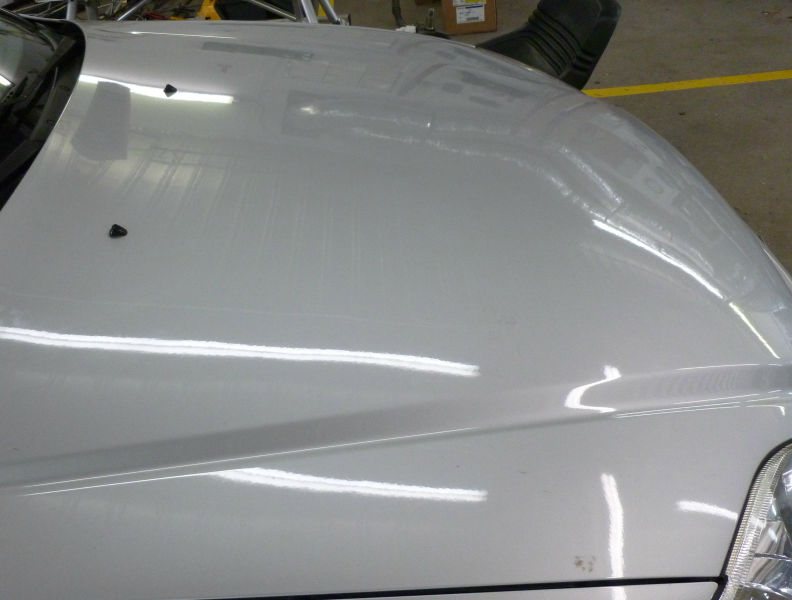
It is a fair question, and it comes up more often than you would think — usually because someone heard a story about a technician putting a hole in a door jamb, or because a shop mentioned "creating access" without explaining what that means.
The short version: properly done paintless dent repair does not require drilling into your vehicle. Access is created by removing trim and interior panels, by using the openings the manufacturer already put there, and by working from the outside with glue tabs where nothing behind the panel can be reached. Drilling is a shortcut some technicians take when they will not do the disassembly — and on a modern vehicle it carries consequences that outlast the repair.
How technicians reach the back of a panel without drilling
Every panel on your car already has ways in. Finding them is part of the craft.
- Factory access holes. Doors, quarter panels and rockers are full of openings the assembly plant used, most of them capped with rubber or plastic plugs. Plugs come out, the rod goes in, the plugs go back.
- Window channels and belt line slots. With the glass lowered or the door card off, the gap at the top of a door skin is a genuine working path.
- Drain holes and grommets. Wiring grommets, drain openings and seam gaps in a hood or trunk lid frequently give a rod line straight to the damage.
- Lamp and trim openings. Taking out a tail lamp, a marker light or a piece of interior trim can open the entire back side of a quarter panel.
- Headliner and roof access. Roof dents often need the headliner dropped, which is real labour but leaves nothing behind.
- Glue pulling from the front. Where the panel is genuinely sealed — over bonded braces, inside boxed sections — the technician works from the outside with adhesive tabs instead. This is the honest answer for panels a rod cannot reach.
That last point is the crux. Glue pulling exists precisely so that inaccessible dents do not need holes. A shop that offers both rod work and glue work has an alternative for almost every panel; a shop limited to rods eventually meets a dent where the only remaining options are drilling or admitting defeat.
Why drilling is a problem on a modern vehicle
A drilled hole is not just a hole. It removes the factory corrosion protection at that spot and creates several downstream issues.
Sealing a drilled hole with a plug and cavity wax reduces the corrosion risk. It does not restore the original coating, and North Texas heat cycling and humidity are not kind to unprotected edges. Our guide on what Texas heat does to damaged coating covers the general principle: broken protection is the part of any damage that genuinely gets worse over time.
There is a documentation angle too. Paintless dent repair on its own typically creates no vehicle history record, which is one of its advantages. A visible drilled hole inside a jamb is a physical record, and it invites exactly the kind of questions at trade-in that you were trying to avoid.
The honest nuance
You will find technicians in the trade who will drill an access hole in an inner brace on certain panels, plug it and seal it, and consider that acceptable practice. It is not a fringe view, and in an older vehicle with a simple inner structure the argument is not absurd.
Our position is narrower: on modern vehicles the combination of disassembly and glue pulling covers what drilling used to be used for, and the downside of a breach is permanent while the benefit is only time. So we do not drill access holes to reach dents. If a panel cannot be reached and cannot be pulled from the front to an acceptable standard, we say so and discuss body repair — including refinishing or replacement where that is genuinely what the vehicle needs. We do what is best for the vehicle rather than forcing every job into one method. Our comparison of PDR and traditional body shop repair covers where that line falls.
Drilling saves the technician time. Disassembly costs the technician time. Those are the two sides of the decision, and only one of them leaves a permanent hole in your car.
Access options compared
| Approach | Leaves anything behind? | Trade-off |
|---|---|---|
| Factory plugs and access holes | No | Not available on every panel or every dent location |
| Trim, lamp or interior panel removal | No, when clips and fasteners are handled correctly | Adds labour time; requires the right tools and replacement clips on hand |
| Headliner dropped for roof access | No | Significant labour; needs care around sensors, handles and airbag paths |
| Glue pulling from the outside | No | Requires sound, intact paint; less point-precise than a rod |
| Drilled access hole in a brace | Yes — a permanent breach | Fastest for the technician; corrosion, structural and resale consequences |
| Body repair and refinishing | New finish on that panel | The right answer when the metal or paint is past paintless range |
What proper disassembly looks like
At the Plano shop, panel access is planned before tools come out. The technician reads the damage under LED line boards, works out which side of the panel each dent needs to be worked from, and then decides what has to come off. Door cards, tail lamps, headliners, sill trim and wheel-arch liners come off with the correct tools, clips are replaced rather than reused when they are single-use, and torque-sensitive fasteners go back the way the manufacturer specified. Manufacturer procedures vary by model year and configuration, which is one more reason a technician confirms rather than assumes.
Reassembly is part of the job, not an afterthought, and the finished vehicle is signed off by whoever runs quality control — visible in your customer portal. You can see finished panels in our before and after gallery. On a correct repair there is nothing to find: no holes, no missing clips, no rattles from the trim that came off.
Questions worth asking any shop
- "Will you need to drill anything to reach these dents?" You want a direct answer, not a shrug.
- "If you cannot reach a panel from behind, what do you do?" The right answer mentions glue pulling, trim removal, or an honest recommendation for body repair.
- "What comes off the car for this repair?" A technician who has read the panels can tell you.
- "Who reassembles it, and what happens if a clip breaks?" Clips break. The question is whether they get replaced.
- "Can I see the finished panel under your lighting before I take it?" A shop with nothing to hide will walk you to the boards.
Mobile and driveway operations are where drilling shortcuts are most likely, simply because full disassembly is impractical in a parking lot and the crew may be in town for a week. Our guide on spotting storm-chaser operations covers the wider pattern.
What to do next
If someone has already worked on your vehicle and you are worried a hole was drilled, look inside the door jambs, behind the door cards, in the trunk gutters and along the inner edges of the panels that were repaired. Fresh plugs, drilled edges without factory coating, or dabs of sealer in odd places are the signs.
If you are choosing a shop, ask the question before you book rather than after. We inspect free of charge at the Plano shop, read every panel under PDR lighting, and tell you exactly what has to come off the vehicle before any work starts. Our dent repair page and our guide on how paintless dent repair works explain the rest of the process.
Frequently asked questions
Do any paintless dent repair technicians drill holes?
Some do. There are technicians who will drill an access hole in an inner brace, plug it and seal it, and consider that acceptable on older or simpler structures. On modern vehicles the combination of disassembly and glue pulling covers what drilling was used for, so we do not drill access holes — but it is a fair question to ask any shop before you hand over the keys.
What is actually wrong with a small drilled hole?
It removes factory e-coat and cavity protection at the edge of the hole, which gives corrosion a starting point from the inside. It can also damage wiring, cables or bonded adhesive that are invisible from the drill side, and it is a permanent alteration a future buyer or appraiser can find inside a jamb. Plugs and cavity wax reduce the risk without restoring the original coating.
How do technicians reach a dent on the roof without drilling?
Usually by dropping the headliner, which gives rod access to the roof skin between the braces. Where a dent sits directly over a bonded brace, there is no rod path at all and the work is done from the outside with glue tabs. Headliner removal takes care around handles, lighting, sensors and airbag paths, and procedures vary by model year and configuration.
How can I tell if a previous shop drilled my car?
Look inside door jambs, behind door cards, in the trunk gutters and along the inner edges of the panels that were repaired. Fresh or mismatched plugs, drilled edges with bare metal or no factory coating, and dabs of sealer in unusual places are the signs. Take photos if you find them.
Does removing trim risk damage to the car?
Done properly, no — but it takes the right tools and the right parts on hand. Clips and fasteners break in normal disassembly, and single-use clips should be replaced rather than reused. Reassembly is part of the job: no missing clips, no rattles, nothing loose. The finished vehicle is signed off by whoever runs quality control and visible in your customer portal.
Are mobile or driveway repairs more likely to involve drilling?
The pressure is greater there, yes. Full disassembly is impractical in a parking lot and a travelling crew is working against the clock, so shortcuts are more tempting. That is one of several reasons hail work is better done in a fixed shop with lighting, tools and replacement clips on the shelf.
What happens if a panel truly cannot be reached?
The technician tells you before starting. Glue pulling from the front handles most sealed panels; where the metal or the paint is past paintless range, the honest answer is body repair, refinishing or replacement of that panel. Repairability depends on paint condition, metal stretch, panel access and prior repairs, and we do what is best for the vehicle.
Sources and methodology
Repair, cost and timing statements that are not tied to a listed source come from DentPicks' own quoting and repair history at the Plano, TX shop. They are typical ranges and shop-floor observations, not industry statistics or promises — your vehicle, its condition, your policy language and your insurer determine your specific outcome.
Ask before the work starts, not after
Bring the vehicle to the Plano shop and we will read every panel under PDR lighting and tell you exactly what comes off the car — and what does not get touched.