How PDR actually removes dents, what it can and cannot fix, and how to judge the quality of the work. Written from the techniques used daily on the DentPicks shop floor.
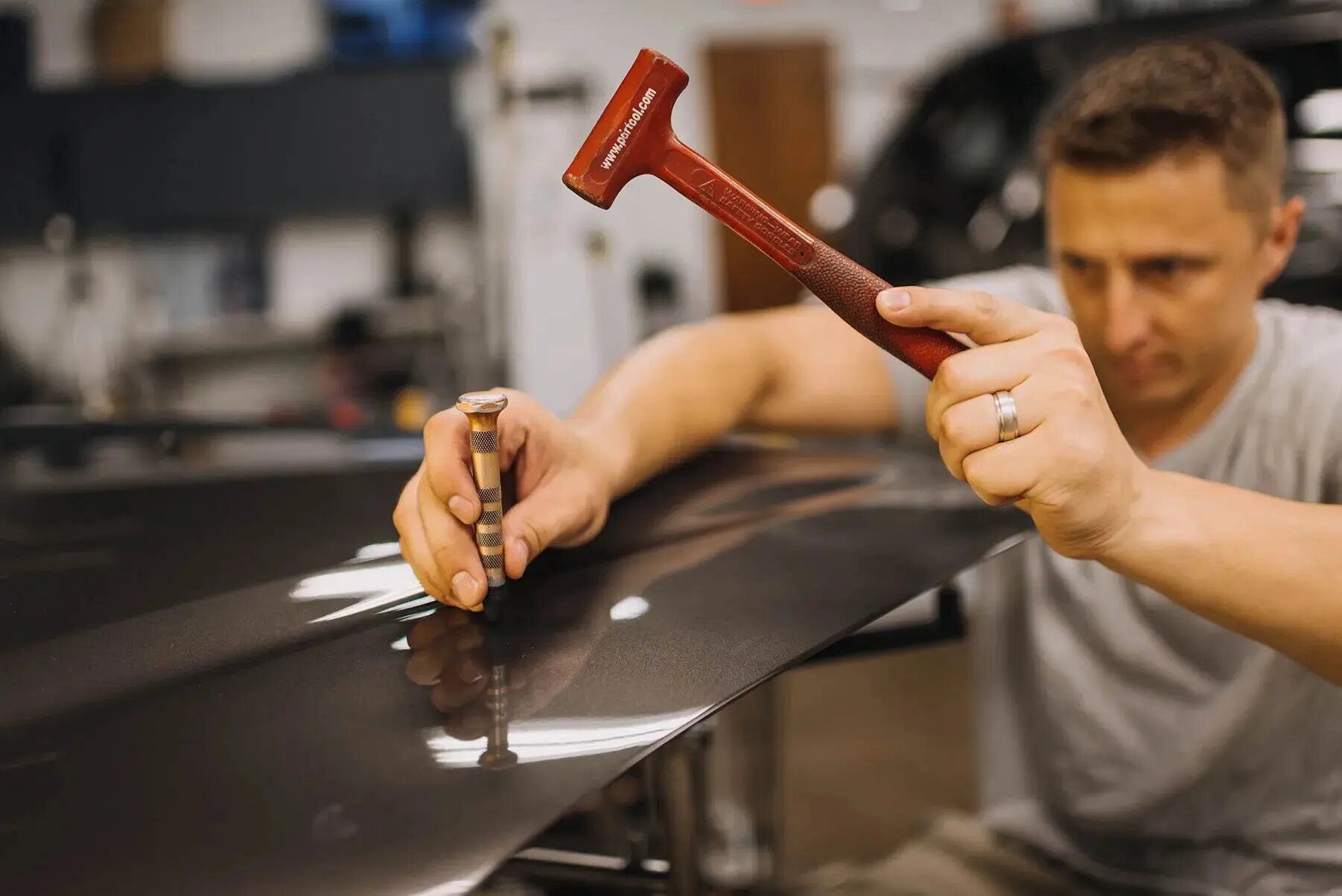
Paintless dent repair removes dents by reshaping the metal from behind the panel with precision rods, or from the front with glue pulling, while reflection lighting shows the technician exactly how the metal is moving.
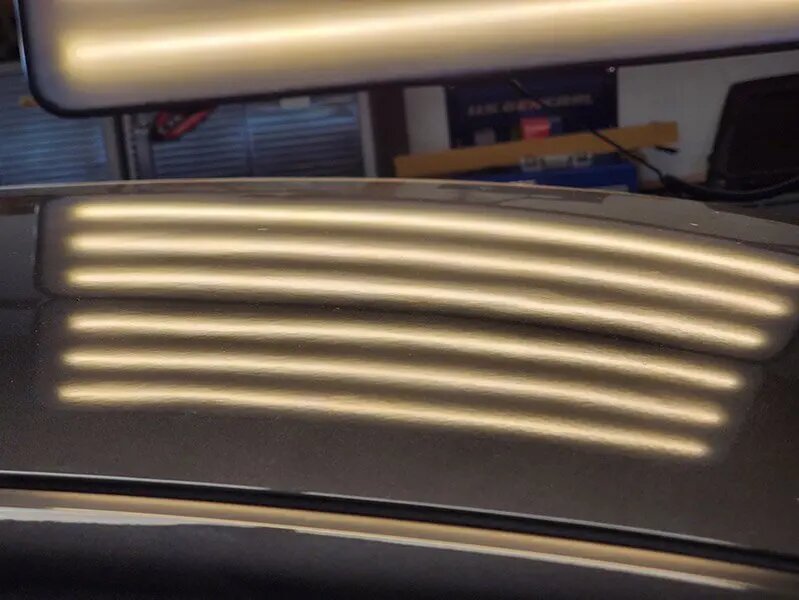
A technician reads the dent under LED reflection lighting and judges four things: whether the paint is intact, whether the panel can be reached from behind, how much crown and tension the metal holds, and how far the metal has been stretched.…
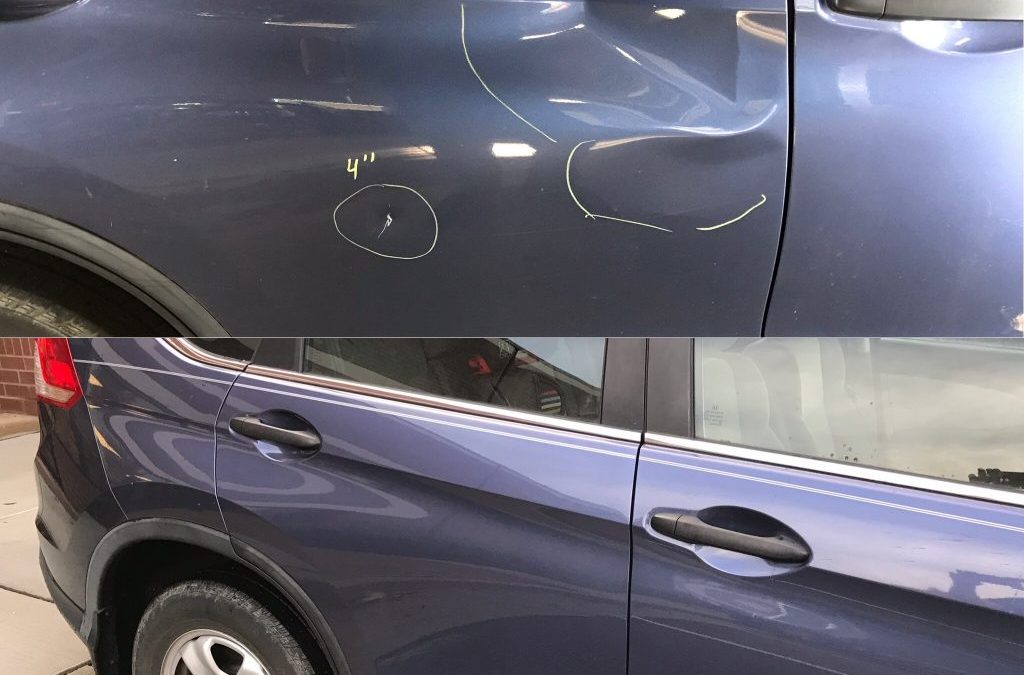
Usually yes. Paintless dent repair works on many repainted panels, especially where the respray was well prepped and the dents are shallow.
Yes, in most cases. Many roof hail dents are glue pulled entirely from the outside, and others are reached through openings the vehicle already has — the sunroof aperture, dome light, grab handle or visor mounts.
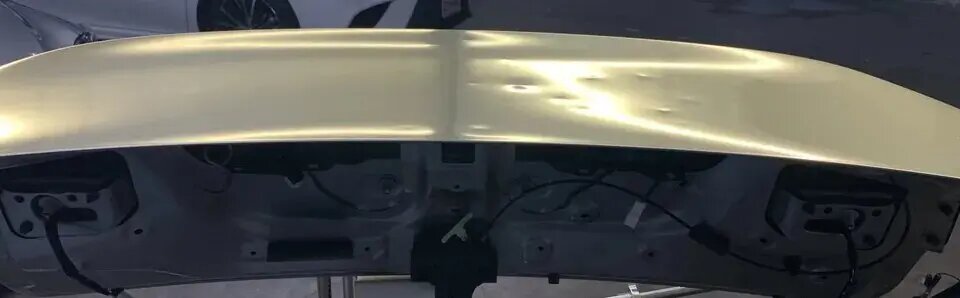
Stretched metal means the impact thinned and elongated the panel, so the dented area now holds more material than it did from the factory.
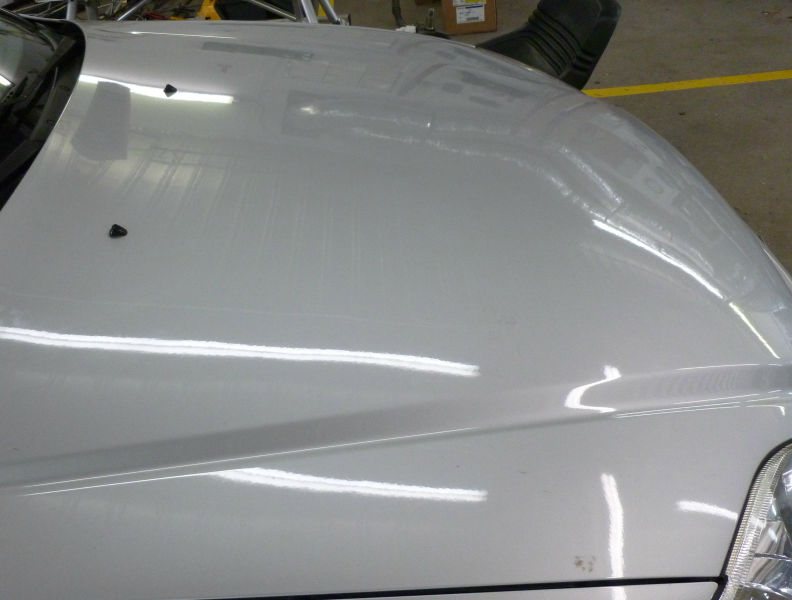
By deciding how far the door has to come apart, then following a set sequence. Many door dents are glue pulled from the outside with nothing internal touched.
Technicians use gentle warmth because clearcoat stiffens as it cools and brittle finish is more likely to craze while the metal beneath it is moved. Warmth also makes glue-pull adhesion predictable and helps relax tension.
No. Paintless dent repair done properly reaches the back of a panel through factory access holes and plugs, window channels, grommets, lamp openings and removed trim — or works the dent from the outside with glue tabs where nothing behind can be…
A low spot is metal still sitting below the panel's original contour — the remains of the dent. A high spot is metal pushed above it, usually from too much pressure at one point.
Inspect the repair under hard-edged light, not shade. Put the car in direct sun or reflect a straight light source across the panel, crouch so you are looking along the surface, and sweep the reflected line across the repaired area.
Not on its own. Paintless dent repair relies on the factory finish stretching with the metal, and a crack is a stress point that will run when the panel is worked. Glue tabs also will not bond reliably to cracked clearcoat.
Usually not. Paintless dent repair returns a panel to its original shape and adds no coating, and radar, ultrasonic and camera hardware sits behind plastic fascias, glass and mirror housings rather than behind the metal PDR works on.
Trim comes off for three reasons: it opens a genuine path to the back of the panel so a rod can reach the dent, it lets the whole panel including its hidden edges be read under reflection lighting, and it keeps tools…
Glue pull repair bonds a plastic tab to the outside of the painted panel with hot-melt adhesive, applies controlled outward force through it, then releases the tab with alcohol.
Push-to-paint is a repair where a PDR technician works the dent back into shape from behind, then the panel is primed and refinished rather than keeping the original paint.
A panel should be replaced rather than repaired when the metal is torn or split, when the finish is destroyed across a large area, when the metal is stretched beyond what shaping can recover, or when the back of the panel cannot…
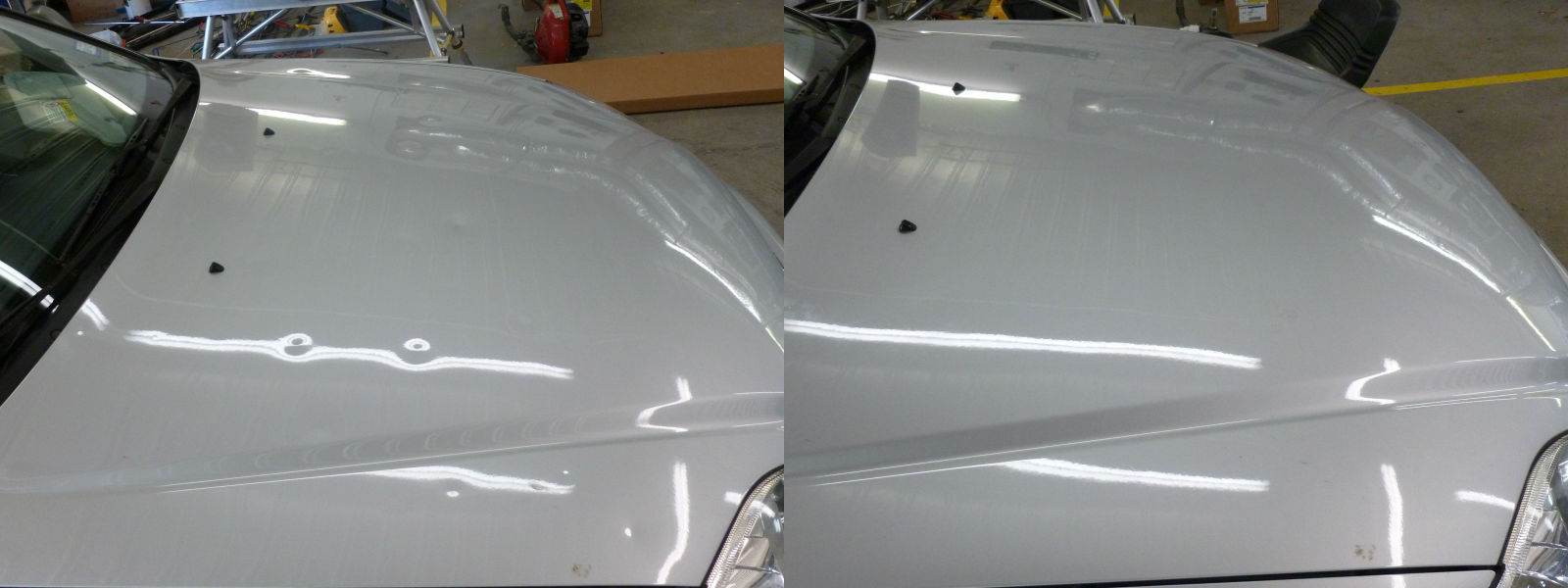
Many deep creases and large dents can be repaired with PDR, but not all.
For dents where the paint is intact and the panel is accessible, paintless dent repair is usually faster and less expensive than body-shop repair, and it preserves the factory paint.
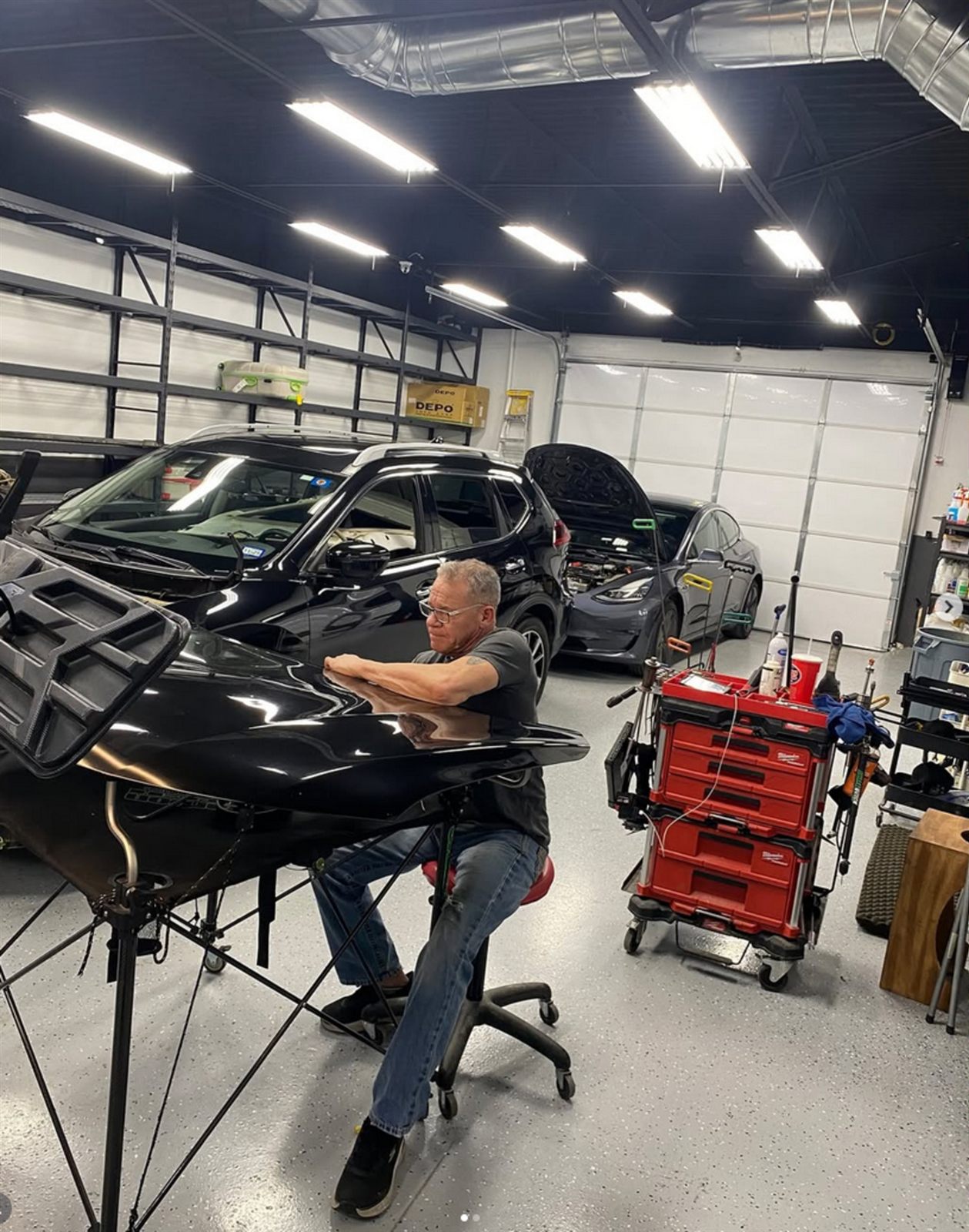
Every reviewed guide in this learning center is checked against what actually happens on the shop floor in Plano — 15+ years of paintless dent repair, thousands of vehicles, and technician training experience in the U.S. and Europe.
Meet Vytas and see his reviewed guides How DentPicks reviews repair adviceSend us photos of the damage or schedule an inspection at the Plano shop — we'll tell you honestly what your vehicle needs, what it should cost, and whether a claim makes sense.
Someone from the team will get back to you. If it is urgent, call (866) 336-8767 and you will reach the Plano shop.