

The short answer
Report both as one comprehensive claim from the same storm date, which normally means one deductible rather than two. Photograph the glass and the body damage before anything is replaced. Handle the windshield first, including camera calibration if your vehicle requires it, then schedule the body repair. The exception is body damage reaching the glass opening, where the two jobs should be coordinated so the glass is not paid for twice.
 Written by the DentPicks Editorial Team
Technically reviewed by Vytas Kucinskas, Founder & Master PDR Technician
Written by the DentPicks Editorial Team
Technically reviewed by Vytas Kucinskas, Founder & Master PDR Technician
Published: Aug 19, 2026 · Last reviewed: Aug 19, 2026 · 9 min read
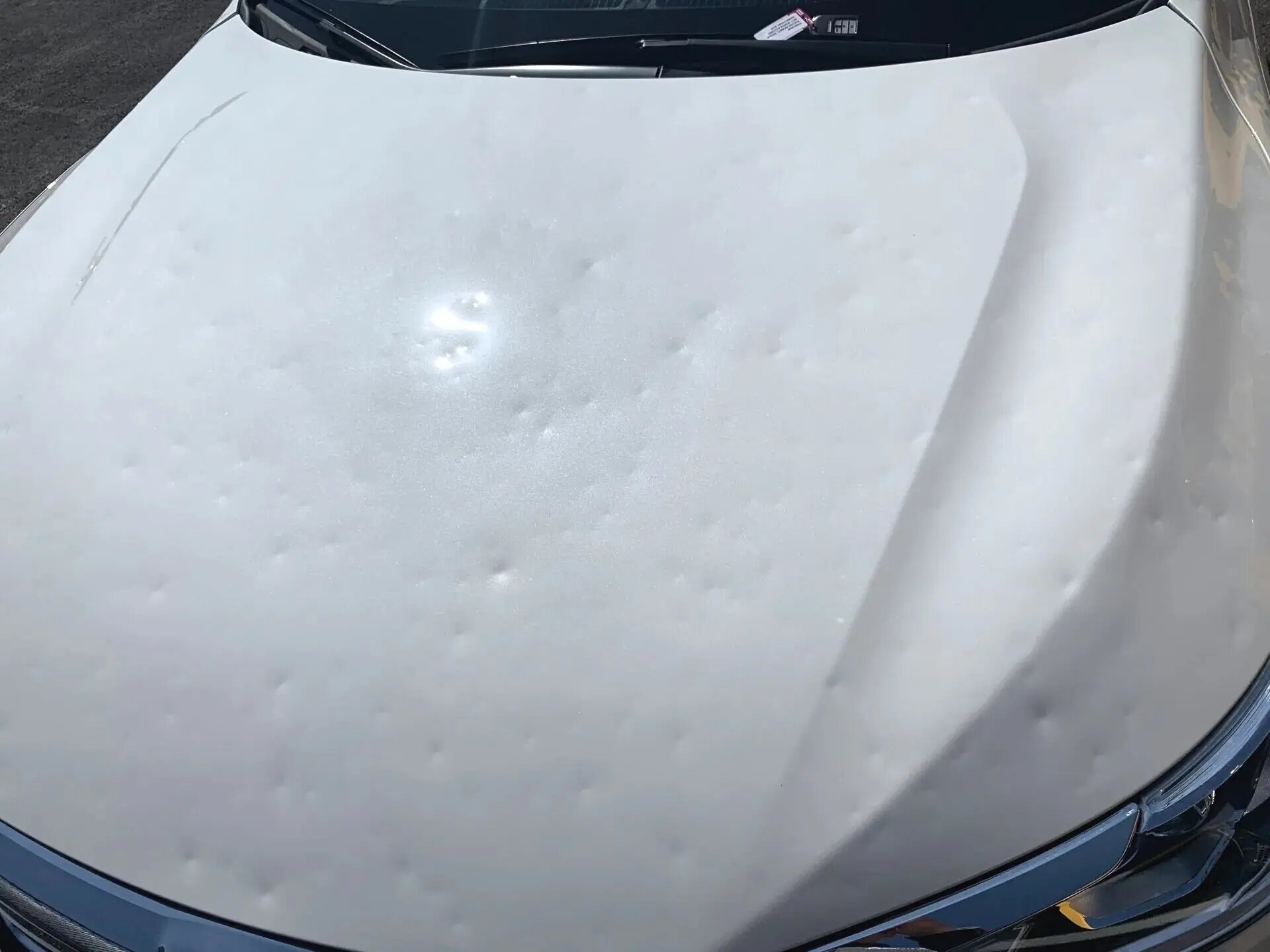
A storm that dents the roof and cracks the windshield produces one of the more confusing situations in auto claims, because the two halves of the damage move at different speeds and often through different vendors. The glass is a safety item that wants attention now. The dents are a scheduling problem that can wait. And the sequencing between them affects both the repair quality and the paperwork.
The short version: it is one claim, one event, one deductible — but the glass usually goes first, and on many modern vehicles glass work brings a calibration step that has to be respected.
Handle it as one claim, not two
Hail damage to the body and hail damage to the glass came from the same storm on the same date, and both are handled under the comprehensive portion of a Texas auto policy. That normally means one claim and one deductible rather than two separate events.
Two wrinkles are worth knowing about. Some Texas policies carry separate glass provisions or a glass endorsement that changes how windshield work is handled and what you pay for it. And some carriers route glass through a dedicated glass administrator, which can make it feel like a separate claim even when it is not. Coverage depends on the language of your policy — your insurer or licensed agent can confirm what yours includes, and the Texas Department of Insurance publishes a plain-language automobile insurance guide that explains how the coverages fit together.
Why the windshield goes first
Glass is the genuine safety item in the pair. A chip in the driver's sightline is a visibility problem, and a chip anywhere is a crack waiting for the first cold morning or the first pothole. Dented sheet metal changes nothing about how the car drives; damaged glass can, which is why it sets the pace. Our guide on what to do after hail damage covers the wider post-storm walk.
There is a second reason. Many vehicles mount the forward-facing camera for lane keeping and automatic emergency braking to the windshield. When that glass is replaced, the camera generally needs recalibration before those systems can be relied on. That step takes time, may require a specific facility, and is easy to leave out of an estimate written quickly. Manufacturer procedures vary by model year and configuration, so ask about your specific vehicle rather than assuming.
Sequencing the two repairs
There is no universal rule, but the ordering below reflects how these jobs actually run, offered as a DentPicks shop-floor observation rather than an industry standard.
- Document everything before anything is touched. Photograph the glass damage and the body damage on the same day, and note the storm date. Once the windshield is replaced, the evidence of that part of the claim is gone.
- Open one claim covering both. Report promptly — the Texas Department of Insurance recommends prompt notice after hail or windstorm events, and most policies require it.
- Get the glass done, with calibration if required. This restores safety and clears the item that is deteriorating.
- Then bring the body in for hail repair. Panel work is not urgent in the same way, and it is easier to schedule around a car that is already safe to drive.
The main exception runs the other way. Where the body repair itself requires glass removal — heavy damage to the roof skin or to the windshield surround, for instance — replacing the glass first means paying for it twice. If your body damage reaches the glass opening, say so before the glass is booked, and let the two shops coordinate.
Body repair and glass: what interacts
| Situation | What to do about ordering |
|---|---|
| Cracked windshield, dents nowhere near the glass opening | Glass first, body repair after. No interaction. |
| Dents on the roof skin near the windshield surround | Coordinate. Roof access may involve the glass or its molding. |
| Broken sunroof glass plus roof dents | Usually the same shop conversation — the surround, drip channel and seals need assessing together. |
| Chipped, not cracked, windshield | Chip repair is quick and cheap. Do it before it spreads; body work can follow on its own timeline. |
| Windshield with a mounted camera | Confirm calibration is in the estimate before the glass is booked. |
| Damaged glass moldings or weatherstripping | Get these on the record as separate line items — they are routinely missed. |
What this does to your deductible and your rates
One event normally means one deductible, not two, unless your policy handles glass separately. On many approved hail claims the deductible is waived up to $1,000 on the body repair side — a common outcome, not a guarantee, and it applies to the repair we perform rather than to glass work done elsewhere. Our guide on how the hail repair deductible works goes through it in detail.
On rates, the honest answer is "no and yes." A Texas comprehensive hail claim is not itself surcharged the way an at-fault collision is. But pricing algorithms take account of collision claims, tickets, violations and overall repair costs, and premiums rise across the market without any claims at all. Filing a legitimate hail claim is not the thing driving your renewal.
Choosing who does the work
In Texas you choose your repair shop. A carrier may recommend a network facility, but the decision is yours — our guide on choosing your own hail repair shop in Texas covers how that works in practice.
For the body half, what matters is that the panels are read properly. At our Plano shop the vehicle comes inside and every panel is read under LED line boards — banded reflective lighting that makes shallow dents visible. Sunlight is diffuse and fills a dent with light rather than revealing it, which is why a roof that reads as "a few dents" in the driveway routinely holds many times that number under the boards. Glass, lamps, mirrors, seals and the windshield surround are walked as a separate pass so nothing lands in the estimate by accident.
Full-vehicle hail repair typically takes about 5–10 business days in the shop. That is a typical range rather than a guarantee, and our guide on how long hail repair takes explains what moves it.
Common mistakes and red flags
- Replacing the glass before photographing it. Once it is gone, that part of the claim rests on your word.
- Letting the glass and body be filed as two events. One storm, one date, one claim — check this on the first call.
- Accepting a windshield replacement with no mention of calibration. If the camera is on the glass, ask.
- Free windshield offers that require signing over your claim. After a DFW storm these circulate widely. Read what you are signing; our guide on storm-chaser operations covers the pattern.
- Ignoring a chip because the dents are more visible. The chip is the cheapest item on the list and the most likely to become expensive.
- Forgetting the moldings. Glass surrounds and weatherstripping take hail damage and rarely make the first estimate.
What to do next
Photograph both halves of the damage today, confirm the storm date, and call your insurer to open one claim covering the vehicle as a whole. Ask the three questions in the callout above. Get the glass handled, calibration included if your vehicle needs it, and then schedule the body work without rushing it.
At DentPicks in Plano the inspection is free, quotes are usually verbal from photos in about 30 minutes, and we walk alongside you through the claim — photos, adjuster meetings, supplements and paperwork — while you remain the one who files it. On insurance-approved hail claims we offer complimentary pickup across DFW, and finished work is signed off by whoever runs quality control, visible in your customer portal, with a written lifetime warranty for as long as you own the vehicle. See finished repairs in our before and after gallery, or read how our hail repair process runs from inspection to delivery.
Frequently asked questions
Will I pay two deductibles for the dents and the windshield?
Normally no — one storm on one date is one comprehensive claim. Some Texas policies do carry a separate glass provision or endorsement that changes what you pay for windshield work, so ask on the first call. Coverage depends on the language of your policy.
Does a replaced windshield need camera calibration?
On many modern vehicles, yes. The forward-facing camera for lane keeping and automatic emergency braking is often mounted to the windshield, and replacing the glass generally means recalibrating it. Manufacturer procedures vary by model year and configuration, so confirm for your specific vehicle and make sure calibration is in the estimate.
Should I fix a windshield chip or wait for the body repair?
Fix the chip now. Chip repair is quick and inexpensive, and a chip left through a temperature swing or a pothole often becomes a full crack — turning the cheapest item on your claim into one of the more expensive ones.
Can the same shop do both the glass and the dents?
Sometimes, and sometimes glass is routed through a carrier's glass administrator or a specialist. What matters is that both are documented under the same claim and that whoever does the body work knows what is planned for the glass, especially if panel access involves the windshield surround.
Will filing for both raise my insurance rates?
The honest answer is no and yes. A Texas comprehensive hail claim is not surcharged the way an at-fault collision is, but pricing algorithms factor in collision claims, tickets, violations and overall repair costs — and premiums rise across the market without any claims at all.
Does any of this show up on a vehicle history report?
Paintless dent repair itself creates no record. A glass replacement or an adjuster-required panel replacement can be reported, because those move through the claim and parts process. Ask which panels are planned for replacement before work begins.
Someone offered me a free windshield if I sign over my hail claim. Should I?
Be careful. Offers like this circulate through DFW neighborhoods after every significant storm, and signing over claim rights or a benefits assignment can cost you control of the repair. Read exactly what you are signing, and remember that in Texas you choose your own repair shop.
Sources and methodology
- Automobile insurance guide — Texas Department of Insurance.
- After hail or windstorms: consumer tips — Texas Department of Insurance.
- Vehicle safety information — National Highway Traffic Safety Administration.
Repair, cost and timing statements that are not tied to a listed source come from DentPicks' own quoting and repair history at the Plano, TX shop. They are typical ranges and shop-floor observations, not industry statistics or promises — your vehicle, its condition, your policy language and your insurer determine your specific outcome.
Dents and glass from the same storm?
Send photos of both and we will tell you what the body side involves and how it should be sequenced around the glass. Free inspection in Plano, and we walk alongside you through the claim.