
What hail actually does to a vehicle, what to do in the first hours after a storm, and why waiting quietly works against you. These guides cover the fundamentals before you ever talk to an insurer or a shop.
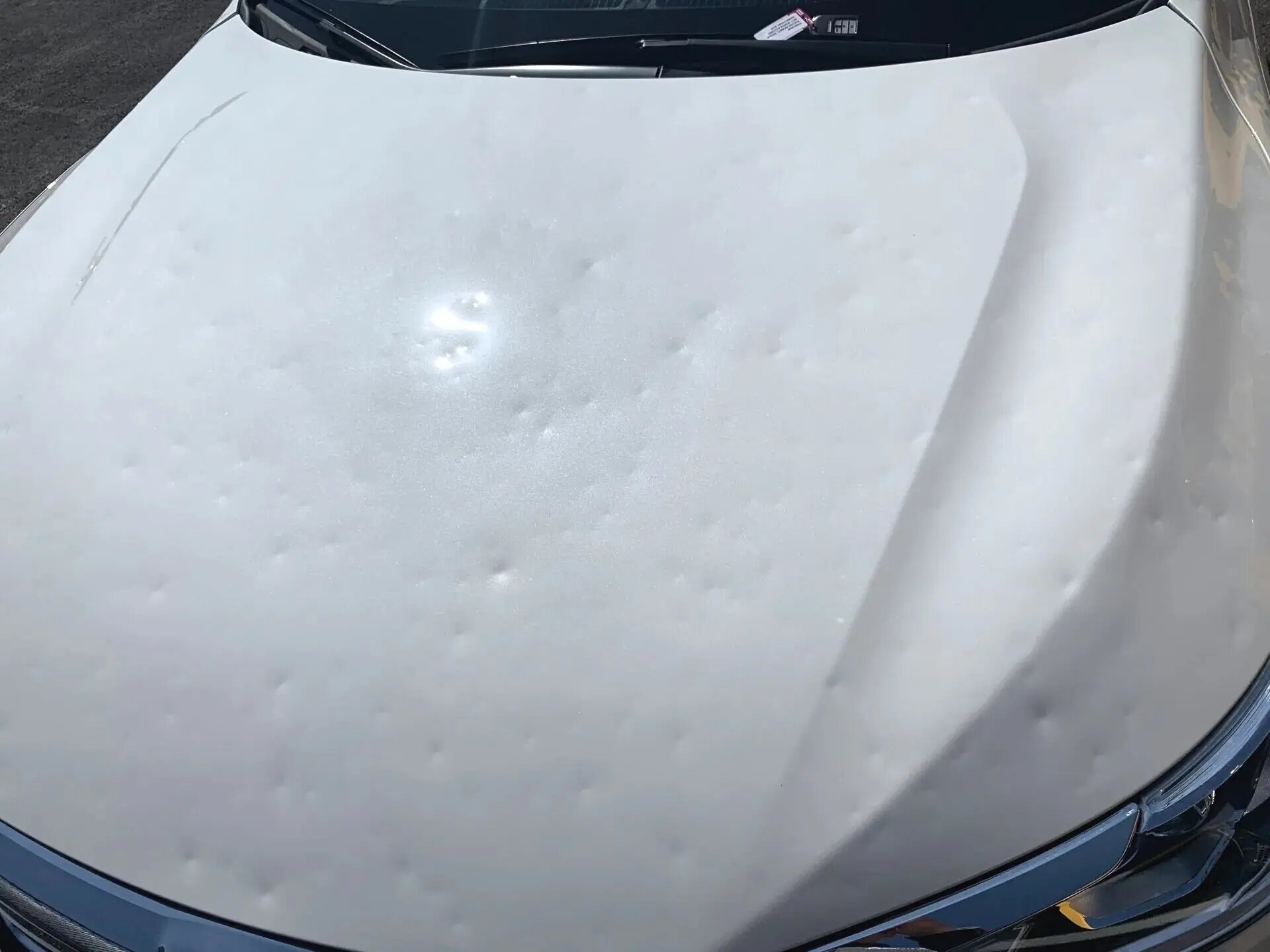
Move the car under cover, photograph everything before touching it — wide shots, close-ups, and the storm date — and confirm the hail event through official weather reports.
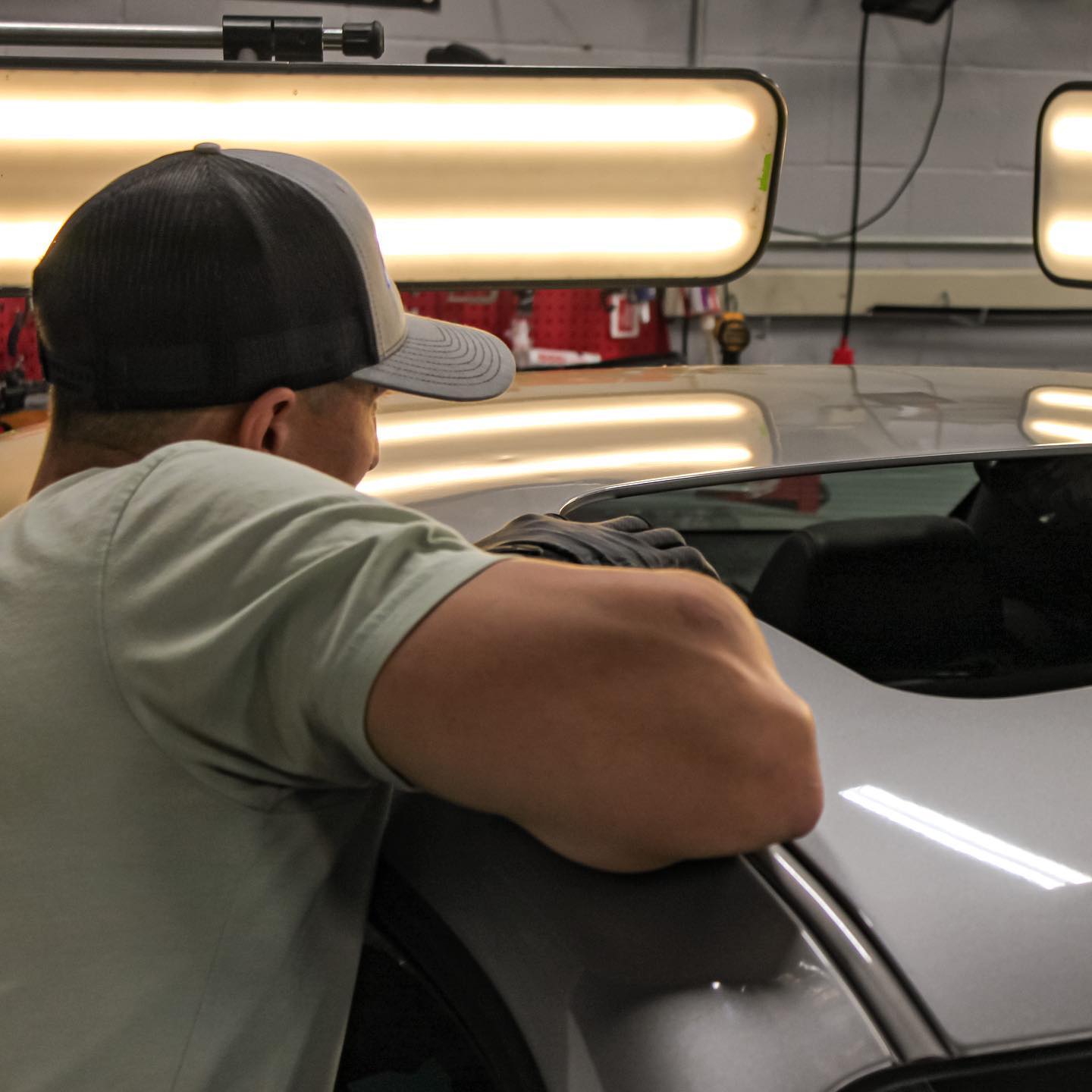
Cosmetic hail damage stops at the outer panels: the frame, suspension, brakes and drivetrain are untouched and the car drives normally.
It is worth doing, but not to help the existing dents. Sheet metal will not relax back in the heat and will not worsen in the sun.
Only when the paint broke. A hail dent with unbroken paint is sealed by the factory coating system and stays stable for years, which is why paintless dent repair still works on old damage.
Yes, and it happens routinely. Hail hits every exposed surface at once, but metal dents, glass chips, plastic trim lifts or detaches, lamp lenses fracture in hairlines, and sensors can lose their aim without any visible damage.
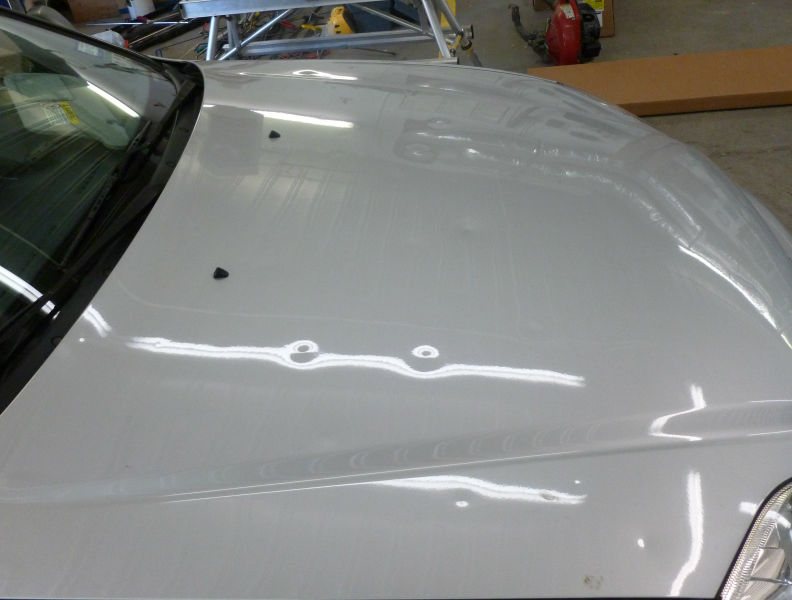
Yes, all three. Hail dents rail tops, cracks rail end caps, can disturb the sealed mounting points where rails pass through the roof, breaks sunroof glass, dents the sunroof surround and drip channel, and lifts or displaces weatherstripping.
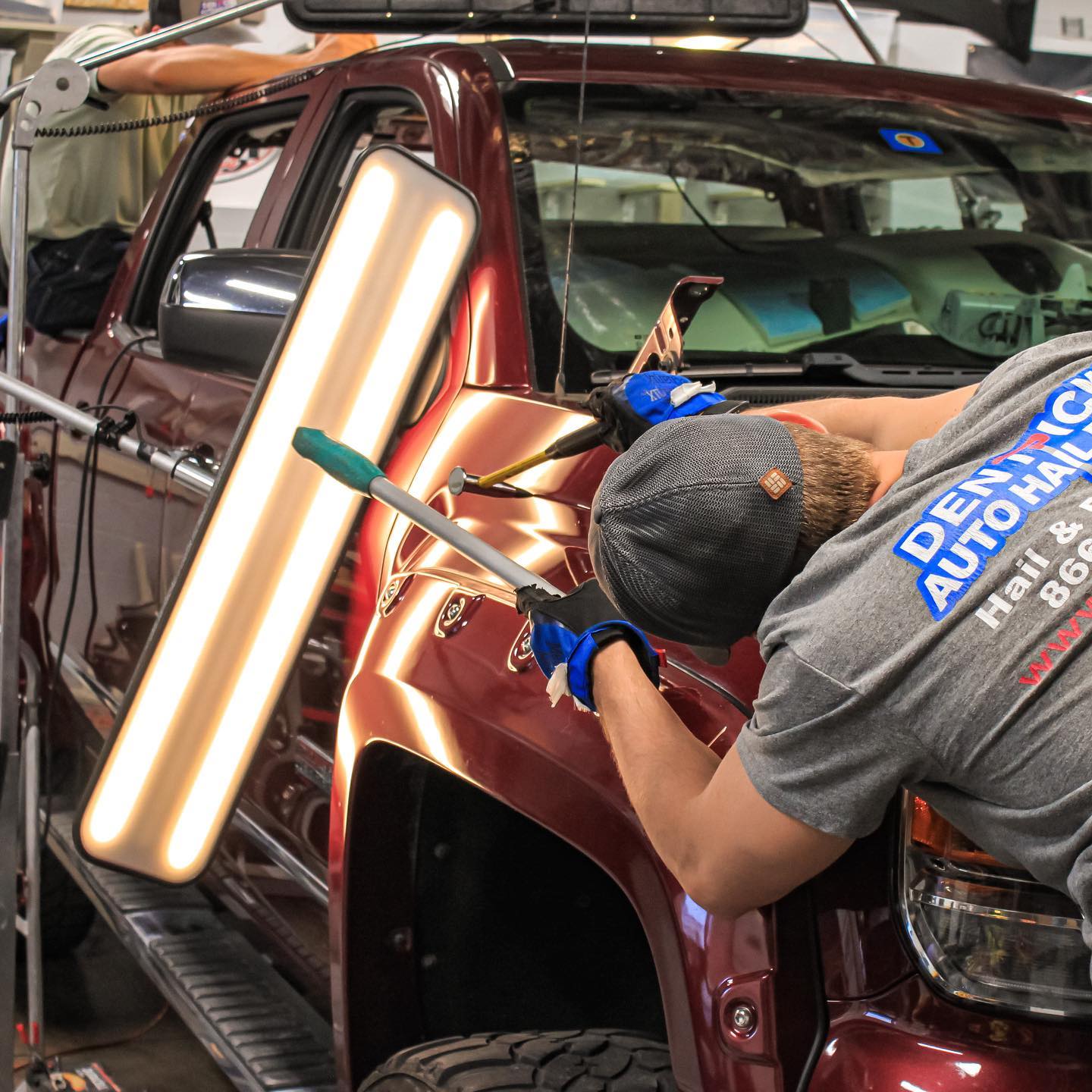
Yes, and it is the normal case. Most hail dents leave the paint completely intact because thin sheet metal yields and the flexible paint layers stretch with it.
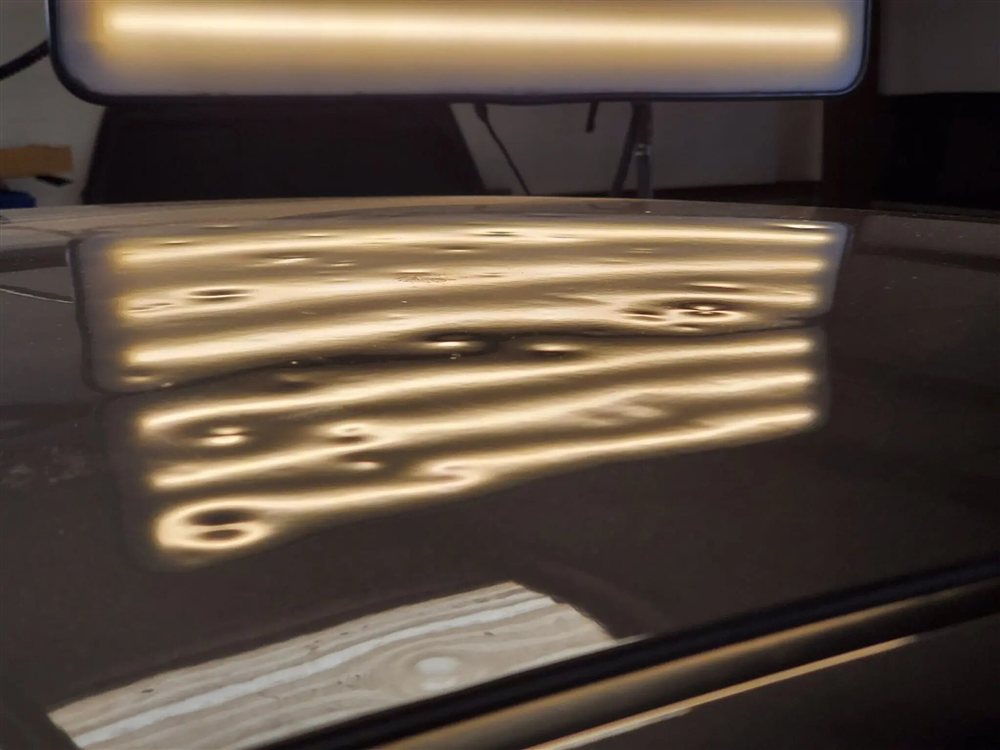
It depends which inspection you mean. A photo review gives you a usually-verbal answer in about 30 minutes.
There is no fixed number. A single storm can leave a vehicle with a few dents or several hundred, depending on stone size, how densely the hail fell, how long it lasted, wind direction, how exposed the car was and how much…
By putting a controlled reflection on every panel. Technicians use LED line boards or matrix lighting, sweep the reflected lines across each surface, and count every place the lines bend. Horizontal panels come first, then verticals, then trim, glass and lamps.
Usually yes. Hail deforms the outer panels, not the frame, brakes or drivetrain, so a car with dents but intact glass and lighting is normally safe to drive.
Hail damage is many round, shallow, soft-edged dents concentrated on the roof, hood and decklid, usually with the paint intact and a consistent directional lean.
The roof, hood and decklid or tailgate take the most hail damage because they face the sky and are large, thin, mostly unsupported panels. Wind-driven hail adds upper door skins, fenders, quarter panels, mirrors and glass.
Yes, in most cases. Clean, dry paint reflects light cleanly, and shallow hail dents only show up as distortions in a reflection. Use a hand or touchless wash, dry it fully, and skip wax or spray sealant, which soften the contrast.
A proper hail inspection reads every exterior panel under reflection lighting, records dent count and severity per panel, and judges paint condition, metal stretch, panel access and prior repairs. It also covers glass, lamps, seals, sunroof drains and any driver-assistance faults.
Hail around one inch across — quarter-sized — is where dents on vehicle sheet metal become common, and it is also the National Weather Service severe threshold.
Report both as one comprehensive claim from the same storm date, which normally means one deductible rather than two. Photograph the glass and the body damage before anything is replaced.
It can seem that way, but the dents were made at impact. Shallow hail damage is invisible in flat daylight and on light-colored paint, so it surfaces later when the lighting, your viewing angle or the cleanliness of the panel changes.
Overlapping storms merge into one damage count, because hail dents carry no date. Insurance works by event, so each storm is normally its own occurrence with its own deductible — which makes separating them the whole problem.
Know your two nearest covered parking decks before a warning is issued, and go to the nearest hard cover rather than the best one.
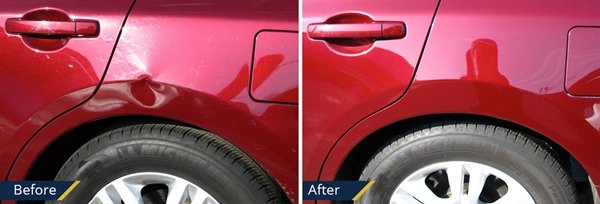
Texas heat does not fix dents, and it steadily works against damaged panels: UV and heat age exposed paint edges, and old filler-based repairs can shrink or crack over time.
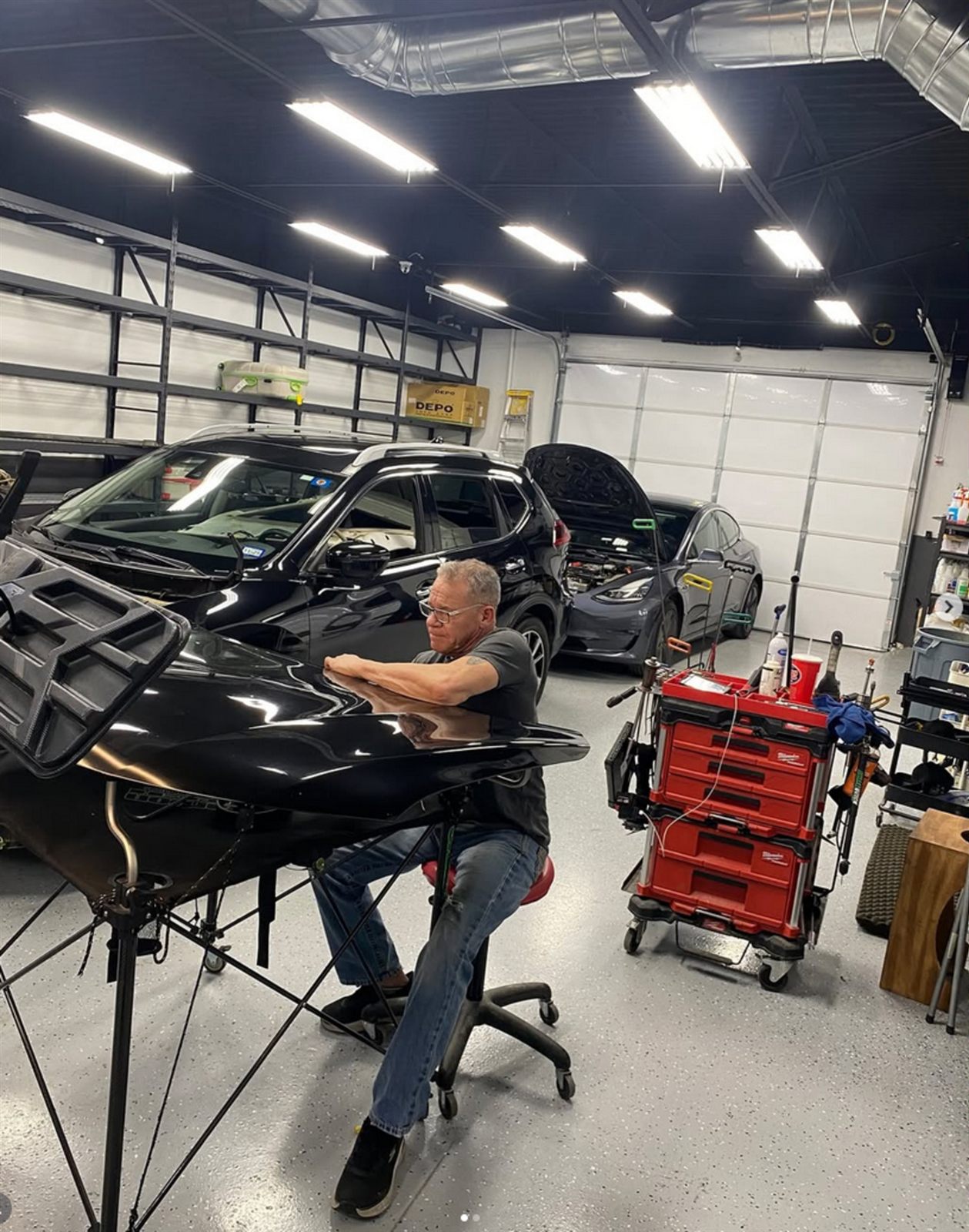
Every reviewed guide in this learning center is checked against what actually happens on the shop floor in Plano — 15+ years of paintless dent repair, thousands of vehicles, and technician training experience in the U.S. and Europe.
Meet Vytas and see his reviewed guides How DentPicks reviews repair adviceSend us photos of the damage or schedule an inspection at the Plano shop — we'll tell you honestly what your vehicle needs, what it should cost, and whether a claim makes sense.
Someone from the team will get back to you. If it is urgent, call (866) 336-8767 and you will reach the Plano shop.