
The short answer
Inspect it under reflection lighting, not ambient light: watch a straight reflected line move across each repaired panel and look for kinks. Then check trim seating, glass, panel gaps, the interior and headliner, the dash for new warning lights, and the itemized paperwork against the car. Confirm the quality-control sign-off in your customer portal, photograph the vehicle as delivered, and raise anything you find before you sign.
 Written by the DentPicks Editorial Team
Technically reviewed by Vytas Kucinskas, Founder & Master PDR Technician
Written by the DentPicks Editorial Team
Technically reviewed by Vytas Kucinskas, Founder & Master PDR Technician
Published: Aug 19, 2026 · Last reviewed: Aug 19, 2026 · 9 min read
Delivery day is the moment with the most leverage in the entire repair, and most people spend about ninety seconds on it. The car looks clean, it looks better than it did, someone hands you keys, and you drive off. Anything you notice in the driveway two weeks later is a phone call. Anything you notice standing next to the technician is a five-minute fix.
Nothing here implies distrust. Good shops want you to look, because a careful walkaround catches the small things — a trim clip that did not seat, a smudge on a headliner — while the car is still in the building and the person who can correct it is standing there.
The one thing that decides whether your inspection is real
Light. Almost every complaint that surfaces after delivery comes down to a customer inspecting the car in the wrong light and then seeing it later in the right light.
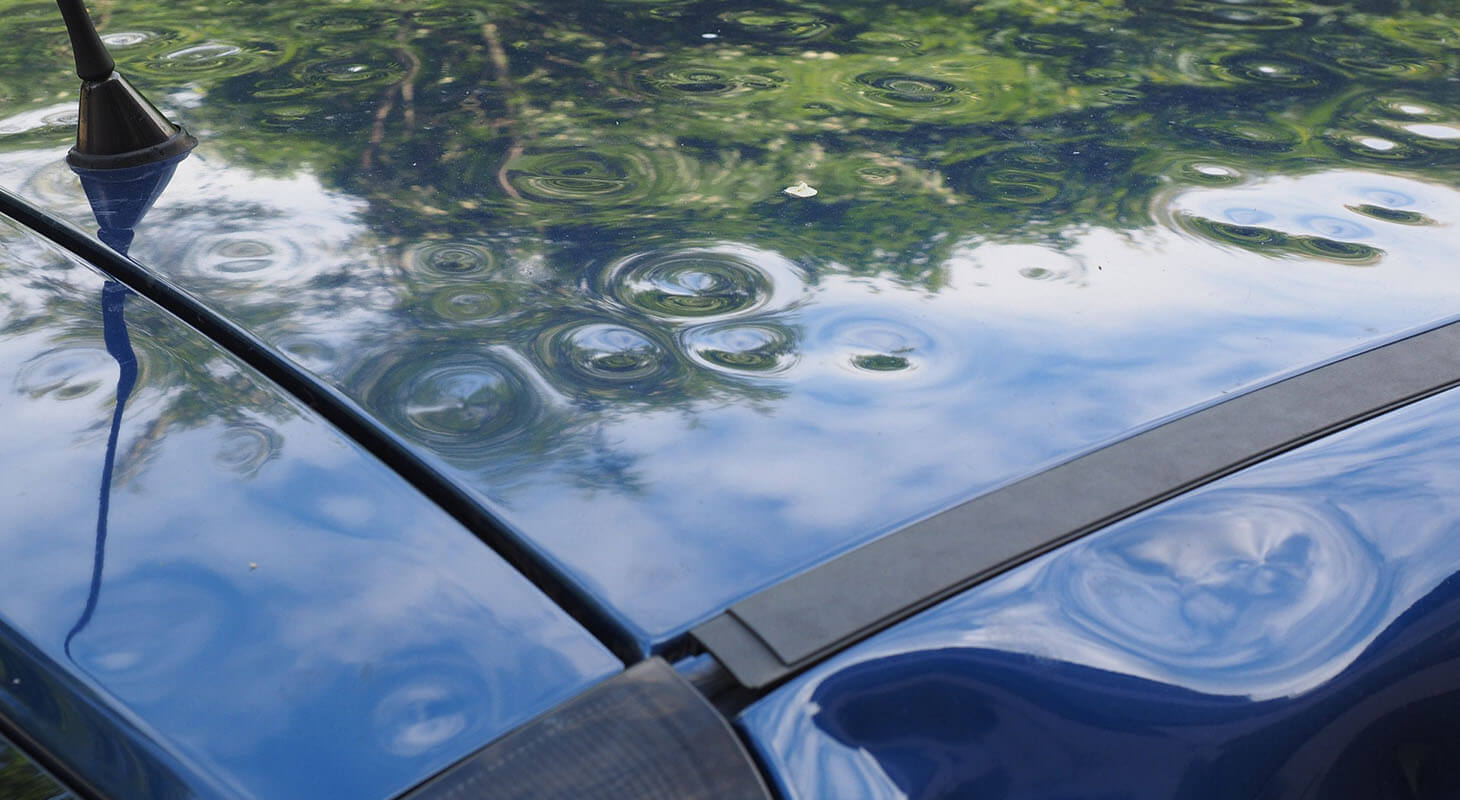
Overhead fluorescents and open daylight scatter reflections and hide shallow dents. What reveals them is a long, hard-edged line reflected across the panel: an LED reflection board, a fluorescent tube, a straight roofline, even the sharp edge of a doorway. You look at the reflected line, not at the paint. Where the line stays straight, the metal is straight. Where it kinks, waves or doubles back, something is still there.
This is the same principle a technician works to. At our Plano shop, panels are read under LED reflection boards from the first inspection through the final check, precisely because ambient light lies about sheet metal. Ask to see your car under those boards before you accept it. That request is normal, and any shop that reads panels properly will already have the lighting set up.
The pickup checklist
Work through these in order. It takes about ten minutes on a full-vehicle repair.
- Read every repaired panel under reflection lighting. Hood, roof, trunk or tailgate, then each door and quarter panel. Move your head; do not stare. Look specifically along body lines and near panel edges — those are the hardest areas to work and the first place a rushed repair shows.
- Check the panels nobody mentioned. Confirm the repaired list matches the repair order. If a panel on the order does not look touched, ask. If a panel not on the order has a new mark, ask now.
- Press and look at every piece of trim. Roof rails, A-pillar and headliner trim, door moldings, window seals, wheel arch trim, badges. Anything that had to come out for access has to go back in. It should sit flush, with even gaps, no rattle when you press it, and no clip heads standing proud.
- Walk the glass. Windshield, rear glass, side windows, sunroof. Look across each pane at an angle for new chips or scratches. If a windshield was replaced during the job, ask whether your vehicle requires camera calibration — manufacturer procedures vary by model year and configuration.
- Open and close everything. All doors, hood, trunk or tailgate, fuel door, sunroof. Listen for a change in sound, watch for a door that now needs an extra push, check that gaps look even side to side.
- Get inside. Headliner clean and tight to the roof, no sagging or fingerprints, no missing grab handle or visor screw cover, dome lights and sunroof working, seats and carpets unmarked, nothing left under a seat. Roof repairs often mean the headliner came down; this is where you confirm it went back correctly.
- Start the car and read the dash. No new warning lights, no driver-assistance error messages. Cycle headlights, brake lights and turn signals with someone walking around the car.
- Check the paperwork against the car. Final invoice itemized by panel, the method used on each panel, and the warranty document.
- Confirm the quality-control sign-off. On our jobs, the finished vehicle is signed off by whoever runs quality control, and that sign-off is visible in your customer portal alongside the repair record. Pull it up on your phone before you leave and save a copy.
- Photograph the car as delivered. Same angles as your before photos. It takes two minutes and it settles any later question about condition at handover.
What is a legitimate finding, and what is not
| What you see | What it usually means | Reasonable outcome |
|---|---|---|
| A reflected line that kinks over a repaired area | Remaining deformation in the metal | Point it out; most are correctable on the spot or with a short return |
| Trim not seated, a clip standing proud, a rattle | Reassembly detail | Fixed while you wait |
| Headliner marks, a missing screw cover, an interior smudge | Access work not fully put back | Fixed same day |
| Slight texture visible only from a few inches away on a deep repair | Metal memory on a severe dent | Discuss it — some deep damage does not return to perfectly flat, which should have been said at estimate |
| A panel that was replaced and refinished has a slightly different look in direct sun | New paint against aged factory finish | Normal to a degree; ask how it was blended and what the paint warranty covers |
| Damage in an area never on the repair order | Could predate the job | Your before photos answer this immediately — another reason to take them |
Be fair about the third and fourth rows. Deep dents, sharp creases and stretched metal do not always come back to showroom-flat, which is why an honest shop says so at the estimate rather than at delivery — the limits are covered in our guide on PDR on deep creases and large dents. The problem is not that limits exist; it is being told about them for the first time when you are holding the keys.
If something is not right
Say it there, calmly and specifically. Point at the panel with the light on it so the technician sees exactly what you see. Most findings at this stage are minutes of work.
If it cannot be resolved on the spot, get it written on the repair order before you sign anything — what the issue is, what will be done, and when. A note on the paperwork is worth more than an assurance in a parking lot. If you have already paid and it is an insurance job, the same applies; the fix belongs to the shop either way.
On our work, the written lifetime warranty covers our workmanship on the panels we repaired, valid for as long as you own the vehicle. It is not transferable to a later owner, and it does not cover new damage from a later storm, a parking lot, or another repairer's work, or corrosion originating from paint that was already broken. Within those edges, a workmanship issue found later is still ours — but finding it at delivery is faster for everyone.
Common mistakes at pickup
- Inspecting at night or in a covered bay with ordinary overhead light. If you cannot see a straight reflected line on the panel, you are not inspecting — you are admiring.
- Only looking at the panel that bothered you. Reassembly issues turn up on panels you never thought about.
- Skipping the interior. Roof and quarter-panel access happens from inside, and interior details are the most common small miss.
- Signing before looking. Look first, then sign. Nobody reasonable objects.
- Having no before photos. Without them, a disagreement about a mark becomes two opinions. With them it takes ten seconds.
- Accepting a one-line invoice. "Hail repair" tells a future buyer, appraiser or adjuster nothing about which panels were repaired and how.
What a good delivery looks like
The car comes back with a mini exterior detail, so you are looking at clean panels rather than road film. Someone walks the vehicle with you rather than handing over keys at a counter. The panels get read under proper lighting in front of you. The paperwork itemizes what was done to each panel, and the quality-control sign-off is already in your portal.
If you want to see the standard finished work is held to, our before and after gallery shows panels photographed under the same lighting we inspect under, and our Plano dent repair page walks through the process from first inspection to delivery. Preparing for the appointment itself is covered in our guide on PDR appointment preparation and aftercare.
Frequently asked questions
What should I inspect before accepting a repaired vehicle?
In order: every repaired panel under reflection lighting, the panel list against the repair order, all trim and seals that came out for access, glass and sunroof, panel gaps and door operation, the interior and headliner, the dash for new warnings, the itemized invoice and warranty, and the quality-control sign-off in your customer portal. Then photograph the car as delivered.
Is it rude to ask to inspect the car before I pay?
No, and a shop that reads panels properly will already have the lighting set up for it. A careful walkaround catches small reassembly details while the person who can fix them is standing next to you. That is better for the shop than a phone call two weeks later.
What lighting should I use to check for leftover dents?
Anything that puts a long, hard-edged reflection across the panel — an LED reflection board, a fluorescent tube, a straight roofline, a doorway edge. Watch the reflected line and move your head slowly. Straight line means straight metal. Open daylight and ordinary overhead light hide shallow dents.
Should a repaired dent be completely invisible?
Most are. Deep dents, sharp creases and stretched metal do not always return to perfectly flat, and an honest shop says so at the estimate rather than at delivery. Repairability depends on paint condition, metal stretch, panel access and prior repairs — the limits should never be a surprise when you are holding the keys.
What if I find a problem after I have already driven away?
Contact the shop with photos taken under good reflected light. Our written lifetime warranty covers our workmanship on the panels we repaired for as long as you own the vehicle. It is not transferable, and it does not cover new damage or corrosion from paint that was already broken — but a workmanship issue is still ours to correct.
Why does the interior matter on an exterior repair?
Because roof and quarter-panel work is often done from inside. Headliners come down, trim comes out, and reassembly is where small misses happen. Check the headliner is tight and clean, dome lights and sunroof work, and no screw covers or clips are missing.
Should the invoice say which panels were repaired?
Yes, itemized by panel and by method — paintless dent repair, refinished, or replaced. That breakdown is what a future buyer, appraiser or adjuster will ask about. A single line reading "hail repair" documents that you paid someone, not what was done to your car.
Sources and methodology
Repair, cost and timing statements that are not tied to a listed source come from DentPicks' own quoting and repair history at the Plano, TX shop. They are typical ranges and shop-floor observations, not industry statistics or promises — your vehicle, its condition, your policy language and your insurer determine your specific outcome.
Bring your questions to the walkaround
We hand every vehicle back panel by panel under the same lighting we repaired it under. If something is not right, we would much rather hear it in the bay than in a text message next week.