

The short answer
Know your two nearest covered parking decks before a warning is issued, and go to the nearest hard cover rather than the best one. If there is no time to drive, park tight against the lee side of a building, nose into the wind, and cover the roof, hood and deck lid with a fitted hail cover or weighted moving blankets secured in the doors. Close windows and the sunroof, then go inside — do not stand outside during a warning.
 Written by the DentPicks Editorial Team
Technically reviewed by Vytas Kucinskas, Founder & Master PDR Technician
Written by the DentPicks Editorial Team
Technically reviewed by Vytas Kucinskas, Founder & Master PDR Technician
Published: Aug 19, 2026 · Last reviewed: Aug 19, 2026 · 9 min read
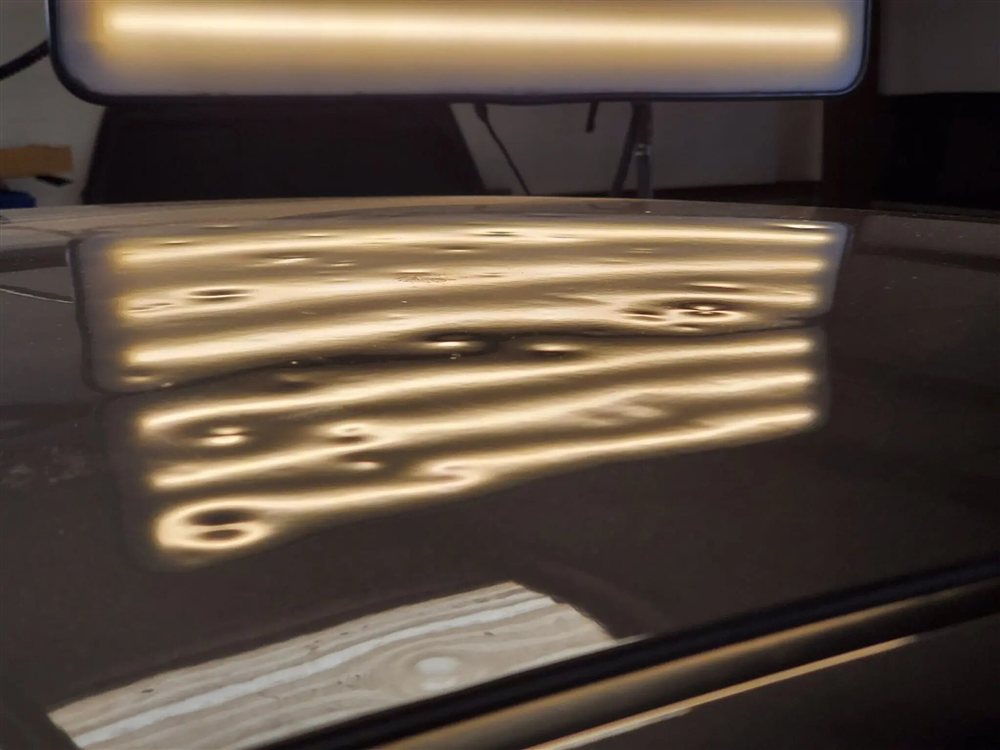
Most DFW drivers park outside. Apartment complexes, rental houses, office lots and street parking all leave a vehicle fully exposed, and North Texas hail arrives with the kind of notice that gives you minutes rather than hours. The realistic goal is not to hail-proof your car. It is to get more metal between the sky and your paint before the storm reaches you, and to know in advance where that cover is.
The single biggest factor in how a car comes out of a storm is not what you drape over it. It is whether you moved it, and whether you decided early enough to move it safely.
Get the warning earlier than you currently do
The National Weather Service issues severe thunderstorm warnings for the DFW area through the NWS Fort Worth forecast office, and warnings that mention hail give you the lead time this whole plan depends on. NOAA's Storm Prediction Center publishes convective outlooks ahead of severe weather days and archives storm reports afterwards — the outlooks are what tell you, in the morning, that tonight is a night to park differently.
Practical setup, done once:
- Enable Wireless Emergency Alerts on your phone so warnings arrive without an app open.
- Add a weather radar app that shows storm cells approaching rather than just current conditions.
- On days SPC flags a severe risk for North Texas, decide your parking before you leave the house — not when the alert sounds.
Our DFW hail season guide covers when this risk is highest across the year.
Where to actually put the car
Ranked roughly best to worst, based on how much solid structure sits above the vehicle:
| Option | Protection | Reality check |
|---|---|---|
| Public parking garage | Full | The best option by a wide margin. Know the two nearest to home and work before you need them. |
| Covered retail or hospital parking deck | Full | Widely available across DFW; a few dollars in parking beats a claim. |
| Carport, drive-through canopy, gas station awning | Good | Fine for a passing cell. Do not block a working forecourt during an emergency. |
| Under a solid overhang against a building | Partial | Protects the roof directly under it; wind-driven hail still reaches the sides. |
| A dedicated padded hail car cover | Partial | Real reduction in impacts if it is fitted and secured before the wind arrives. |
| Blankets, moving pads, floor mats | Marginal | Better than nothing on horizontal panels only, and only if they are still there when the hail lands. |
| Under a large tree | Not recommended | Trades hail dents for falling limbs, sap and a harder conversation with your insurer. |
| Cardboard, tarps, plastic sheeting | Negligible | Becomes wet, becomes a sail, and can scratch paint as it moves. |
The ten-minute plan when a warning hits
- Decide immediately whether there is time to drive. If the cell is minutes out, do not start a fifteen-minute trip to a garage. Driving into hail is worse than parking in it — windshields break at speed and visibility collapses.
- If you drive, go to the nearest hard cover, not the best cover. Distance beats quality here.
- If you stay, reposition rather than resign. Pull tight against the lee side of a building, so the structure blocks wind-driven hail from at least one direction. Nose the car toward the wind so the windshield takes impacts at an angle rather than flat.
- Cover the horizontal panels. Roof, hood, deck lid — that is where nearly all hail damage lands. A fitted hail cover is best; failing that, thick moving blankets weighted at the edges.
- Secure whatever you use. Close the covering material in the doors so wind cannot take it. An unsecured blanket is gone in the first gust and may drag grit across the paint on its way.
- Fold the mirrors, close the windows and the sunroof. Water inside the cabin does more expensive damage than dents.
- Then go inside. No car is worth standing outside during a severe thunderstorm warning. Lightning and wind-driven debris are the real hazards to you.
What actually works, and what people believe works
A few honest notes on the popular advice.
- Padded hail covers help, within limits. They reduce impact energy on the panels they cover. They do not make a car immune, they take time to fit, and they need securing before the wind picks up. If you park outside in DFW year-round, one is a reasonable investment.
- Floor mats and blankets are a stopgap, not a plan. They cover a fraction of the roof and hood and they blow away. Use them when nothing better exists.
- Trees are a trap. They look like shelter and they routinely turn a cosmetic hail claim into limb damage.
- Ceramic coatings, wraps and paint protection film do not stop dents. They protect the finish, not the metal underneath. A dent is a shape change, and a coating changes nothing about it.
- Inflatable and pop-up car shelters exist and can work, but they need setup time and secure anchoring in exactly the wind conditions that accompany hail.
Apartment and street parking in DFW
If you live in an apartment complex with no covered spaces, the two things worth doing are asking whether covered parking can be rented — it is often available and often unadvertised — and scouting the nearest public deck. Many DFW retail centers, hospitals and office buildings have decks accessible to the public, and a few dollars during a warning is not a difficult decision against a comprehensive deductible.
For street parking, the lee side of a tall building genuinely helps against wind-driven hail, and parking so the windshield faces into the approaching weather reduces the chance of a flat, square-on impact on the glass. Neither is protection in a severe event, but both change the odds.
If it hits anyway
Do not judge the damage in your parking spot. Daylight is diffuse — it scatters across a panel and fills shallow dents with light instead of revealing them, so a roof that looks lightly marked at the curb routinely reads very differently once it is inside. At our Plano shop panels are read under LED line boards, where a straight reflected line bends over every displaced area, and glass, lamps, roof rails and seals are walked as a separate pass.
- Photograph the vehicle the same day, in the shade if you can, and note the date.
- Confirm the storm date against NOAA SPC storm reports or NWS Fort Worth records.
- Notify your insurer promptly. The Texas Department of Insurance recommends prompt notice after hail or windstorm events, and most policies require it.
- Check glass, lamps, mirrors, seals and the headliner before you worry about the dents.
- Get the panels read under proper lighting before accepting any number.
Our guide on what to do after hail damage covers the first week in detail, and how the hail repair deductible works explains the cost side. Be wary of crews going door to door afterwards — see spotting storm-chaser operations.
What to do next
Spend five minutes today on the part that actually matters: turn on emergency alerts, find the two nearest covered decks to your home and work, and decide now what you would do at 9 p.m. on a night with a severe risk. If you park outside year-round in North Texas, add a fitted hail cover to that plan rather than relying on it as the plan.
And if a storm gets you anyway, DentPicks in Plano inspects hail damage free of charge under PDR lighting, gives you a usually-verbal quote from photos in about 30 minutes, and walks alongside you through the claim you file. On many approved hail claims the deductible is waived up to $1,000, and on insurance-approved hail claims we offer complimentary pickup and a loaner across DFW, and most full-vehicle repairs take about 5–10 business days in the shop. Every repair is signed off by whoever runs quality control, visible in your customer portal, and carries a written lifetime warranty for as long as you own the vehicle. See the results in our before and after gallery or read about our hail repair service in Plano.
Frequently asked questions
Do hail car covers actually work?
A padded, fitted hail cover reduces impact energy on the panels it covers, so it genuinely helps. It is not immunity: it takes time to fit, it needs securing before the wind arrives, and wind-driven hail still reaches the sides. If you park outside year-round in DFW, one is a reasonable investment.
Are blankets and floor mats better than nothing?
Marginally, and only on horizontal panels. The problem is that they cover a small fraction of the roof and hood and they blow away in exactly the wind that accompanies hail. Close them in the doors so they stay put, and treat them as a stopgap rather than a plan.
Should I park under a tree during a hailstorm?
No. Trees look like shelter and routinely trade a cosmetic hail claim for falling limbs, sap and a bigger repair. Severe hail generally arrives with strong wind, which is exactly when limbs come down.
Is it safe to drive to a garage once a warning is issued?
Only if the storm is genuinely still minutes away and the cover is close. Driving into hail is worse than parking in it — impacts at speed break windshields and visibility collapses. If the cell is on you, stay where you are and reposition instead.
Does ceramic coating or paint protection film prevent hail dents?
No. Those products protect the finish, not the metal underneath. A hail dent is a shape change in the panel, and a surface coating does not change how the metal deforms.
How much warning does DFW usually get before hail?
Severe thunderstorm warnings from NWS Fort Worth typically give short notice, which is why the useful lead time comes earlier — from NOAA Storm Prediction Center convective outlooks on severe-risk days. Those are what should change where you park in the morning, before any warning sounds.
My apartment has no covered parking. What are my options?
Ask the property whether covered spaces can be rented — they are often available and unadvertised. Otherwise scout the nearest public parking deck; many DFW retail centers, hospitals and office buildings have decks open to the public, and a few dollars during a warning compares well against a comprehensive deductible.
The storm hit anyway. Can I tell how bad it is from the parking lot?
Not reliably. Daylight is diffuse and fills shallow dents with light rather than revealing them, so outdoor assessments routinely under-report a roof. Photograph the car the same day, note the storm date, and have the panels read under proper lighting before you accept any number.
Sources and methodology
- NWS Fort Worth forecast office — National Weather Service.
- Severe weather storm reports — NOAA Storm Prediction Center.
- After hail or windstorms: consumer tips — Texas Department of Insurance.
Repair, cost and timing statements that are not tied to a listed source come from DentPicks' own quoting and repair history at the Plano, TX shop. They are typical ranges and shop-floor observations, not industry statistics or promises — your vehicle, its condition, your policy language and your insurer determine your specific outcome.
Caught out by a DFW storm?
Send photos for a quick verbal read, or bring the car to Plano for a free inspection under PDR lighting. We will tell you what the panels actually hold before you decide anything.