

The short answer
Usually yes. Hail deforms the outer panels, not the frame, brakes or drivetrain, so a car with dents but intact glass and lighting is normally safe to drive. Stop and get it checked first if the windshield is chipped or cracked, a lamp or mirror is broken, trim or seals have lifted, the interior is damp, or a driver-assistance warning appeared after the storm.
 Written by the DentPicks Editorial Team
Technically reviewed by Vytas Kucinskas, Founder & Master PDR Technician
Written by the DentPicks Editorial Team
Technically reviewed by Vytas Kucinskas, Founder & Master PDR Technician
Published: Aug 19, 2026 · Last reviewed: Aug 19, 2026 · 8 min read
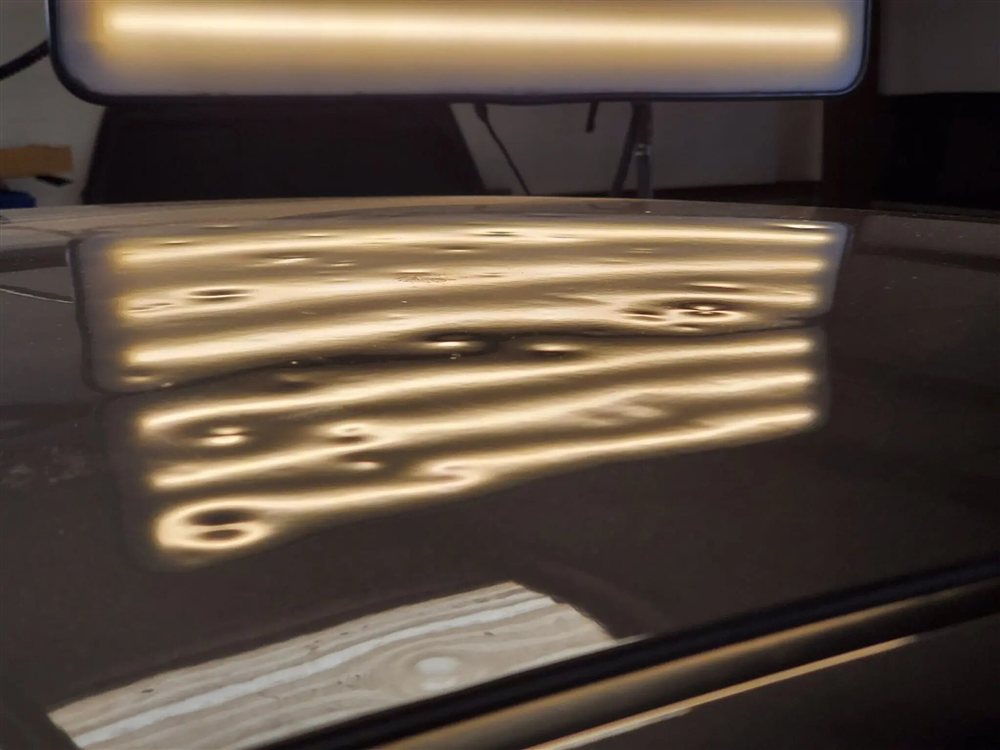
After a North Texas hailstorm, this is usually the first question drivers ask, and it deserves a more careful answer than a simple yes. Most hail damage on a modern vehicle is cosmetic: the outer skin of the panels takes the impact while everything mechanical underneath carries on exactly as before. But "cosmetic" is not the same as "no consequences," and a small number of hail-damaged vehicles genuinely should not be driven until something is checked.
The practical test is not how bad the roof looks. It is whether the storm compromised anything that protects you: glass, lights, mirrors, seals, or the sensors your driver-assistance systems rely on.
When a hail-damaged car is normally safe to drive
A vehicle with dented sheet metal but intact glass and lighting is, in the overwhelming majority of cases, mechanically unaffected. Hailstones deform the outer panel; they do not reach the frame, the suspension, the brake system or the drivetrain. If your car drove normally into the storm and drives normally out of it, the damage is almost certainly confined to the skin.
You can generally keep driving when all of the following are true:
- Windshield, rear glass and side windows have no cracks, chips or spidering.
- Headlights, tail lights and turn signals are unbroken and still sealed.
- Mirrors are attached, adjustable and undamaged.
- No trim, molding or weatherstripping has lifted, cracked or come loose.
- The sunroof glass is intact and the vehicle stayed dry inside overnight.
- No warning lights appeared on the dash after the storm.
When to stop and get the vehicle checked first
A handful of hail outcomes are safety issues rather than appearance issues. Treat any of these as a reason to have the vehicle looked at before you drive it further than you have to:
Glass deserves particular attention. A chip that looks trivial on the day of the storm can run into a full crack with the first cold morning or the first pothole, and on many modern vehicles the forward-facing camera for lane keeping and automatic emergency braking is mounted to the windshield. A cracked windshield in that area is not just a glass problem; it can affect a system you are relying on in traffic.
A five-minute post-storm safety check
- Walk the glass. Windshield, rear glass, all side windows, sunroof. Look across the surface at an angle, not straight on — chips hide when you stare at them head-on.
- Check every lamp. Have someone cycle headlights, brake lights, reverse and turn signals while you walk around.
- Press the trim. Run a hand along roof rails, A-pillar trim, door moldings and window seals. Anything that lifts, rattles or no longer sits flush is a water path.
- Feel the headliner and carpets. Damp fabric after a storm means water is getting in somewhere.
- Start the car and read the dash. New warning lights, camera errors or blind-spot faults after a hailstorm are worth investigating.
What driving on does — and does not — do to your claim
Driving a hail-damaged car does not void your coverage. Hail damage is handled under the comprehensive portion of a Texas auto policy, and continuing to drive the vehicle is normal and expected while a claim is opened and an inspection is scheduled. What matters far more is documentation and timing.
Two practical risks come from waiting a long time. First, the longer you drive, the harder it becomes to separate storm damage from everything the road adds afterwards — a parking-lot ding in month three muddies an otherwise clean hail claim. Second, if a second storm comes through your area, overlapping events complicate which damage belongs to which date. Both problems are solved the same way: photograph the vehicle now, note the storm date, and get the damage documented properly. Our guide on what to do immediately after hail damage covers the photo set worth taking.
The Texas Department of Insurance recommends prompt notice to your insurer after a hail or windstorm event, and most policies require it. That does not mean you must repair immediately — it means you should report and document promptly. For deadlines and how they actually work, see our guide on how long you have to file a hail claim in Texas.
What unrepaired hail damage does over time
A dent with intact paint is stable. The metal has been displaced, not opened, and the factory finish is still doing its job. That is why paintless dent repair remains possible on hail damage that is months or even years old, as long as nothing has cracked.
The picture changes where paint was broken. Any dent with a chip, a crack or exposed metal is a corrosion entry point, and North Texas heat cycling does not help — panels expand and contract every summer day, working at the edges of damaged coating. Older filler-based repairs under hail damage can also move. We covered this in more detail in our guide on what Texas heat does to unrepaired dents.
There is also a value dimension. Unrepaired hail damage is deconditioned at retail rates by appraisers, so a car you plan to trade or sell within a year or two usually costs you more in appraisal deductions than the repair would have cost through a claim.
Safe to drive, sensible to inspect
| What the storm did | Drive it? | What to do |
|---|---|---|
| Dents only, paint intact | Yes | Photograph, report to insurer, schedule an inspection under proper lighting |
| Dents with chipped or cracked paint | Yes | Same, but do not leave it for a season — exposed metal is the one part of hail damage that gets worse |
| Chipped or cracked glass | Short trips only | Get glass assessed first; camera-mounted windshields may need calibration after replacement |
| Broken lamps or mirrors | No, not at night | Repair or replace before normal use |
| Loose trim, seals, or a wet interior | Carefully | Get it sealed quickly — water damage is far more expensive than dents |
| New ADAS or camera faults | Assume the system is degraded | Have the fault read; do not rely on the affected feature until it clears |
Common mistakes after a hailstorm
- Assuming the roof is fine because you cannot see it. The roof and hood take the most impacts and are the hardest panels to inspect from ground level. At our Plano shop, panels are read under LED line boards precisely because outdoor light hides a large share of hail dents.
- Waiting for "one more storm" before filing. Overlapping events make claims harder, not easier.
- Letting a driveway repair crew "just pop them out." After a storm, temporary operations move through DFW neighborhoods. A bad pull stretches metal and can turn a PDR job into a repaint — see our guide on spotting storm-chaser operations.
- Ignoring a small chip in the windshield. It is the cheapest thing on the list to fix and the most likely to become expensive.
What to do next
If your glass, lights and seals came through the storm intact, keep driving and treat the dents as a scheduling problem rather than an emergency. Photograph the vehicle, confirm the storm date, notify your insurer, and book an inspection where the panels can be read under proper lighting rather than in a parking lot. If anything on the glass-lights-seals list is damaged, deal with that part first — that is the genuine safety item.
At DentPicks in Plano we inspect hail-damaged vehicles free of charge under PDR lighting, tell you honestly whether the damage is cosmetic, and walk alongside you through the claim if you decide to file. On approved hail claims we waive the deductible up to $1,000, arrange complimentary pickup across DFW, and most full-vehicle repairs take about 5–10 business days in the shop. You can also see what finished work looks like in our before and after gallery, or read how our hail repair process runs from inspection to delivery.
Frequently asked questions
Does driving a hail-damaged car void my insurance claim?
No. Hail damage falls under the comprehensive part of a Texas auto policy, and driving the vehicle while a claim is open is normal. What matters is prompt notice and good documentation — photograph the damage and confirm the storm date before miles and time blur the picture.
Can hail damage affect my windshield camera or ADAS sensors?
It can. Many vehicles mount the forward-facing camera behind the windshield, so cracked glass in that area — or a replacement windshield — can affect lane keeping and automatic emergency braking. If a windshield is replaced, ask whether your vehicle requires camera calibration. Manufacturer procedures vary by model year and configuration.
Is it safe to drive with a dented roof?
In almost all cases, yes. A dented roof skin does not change the structural pillars that carry roof loads. The exceptions worth checking are sunroof glass, roof-rail mounting points and the weatherstripping around the roof opening, where a leak can do more damage than the dents.
Should I wash my hail-damaged car before an inspection?
A reasonably clean panel is easier to read under reflection lighting, so a basic wash helps. Skip it if the paint is chipped or cracked in the dents — pressure washing broken paint edges can lift more coating. Never let a car wash brush touch loose trim after a storm.
How long can I leave hail damage unrepaired?
Dents with intact paint are stable and can be repaired with PDR years later. Dents with cracked or missing paint are different: exposed metal is the one part of hail damage that genuinely gets worse in Texas heat and humidity, and unrepaired damage is deconditioned at retail rates if you trade or sell.
Sources and methodology
- After hail or windstorms: consumer tips — Texas Department of Insurance.
- Vehicle safety information — National Highway Traffic Safety Administration.
Repair, cost and timing statements that are not tied to a listed source come from DentPicks' own quoting and repair history at the Plano, TX shop. They are typical ranges and shop-floor observations, not industry statistics or promises — your vehicle, its condition, your policy language and your insurer determine your specific outcome.
Not sure whether your hail damage is cosmetic?
Send photos or bring the car to the Plano shop. We read the panels under PDR lighting, tell you what is actually damaged, and walk you through the claim if there is one worth filing.