Every guide is grounded in real repair work at our Plano shop and technically reviewed by founder Vytas Kucinskas before it carries the reviewed label. Sources and review dates are shown on every page.
Storm chasers are temporary hail-repair operations that follow storms into a region, sell aggressively door-to-door, and often leave before warranty problems surface.
Most Texas auto policies do not set a fixed number of days to file a hail claim, but they do require prompt notice, and waiting makes damage harder to document and easier to dispute.
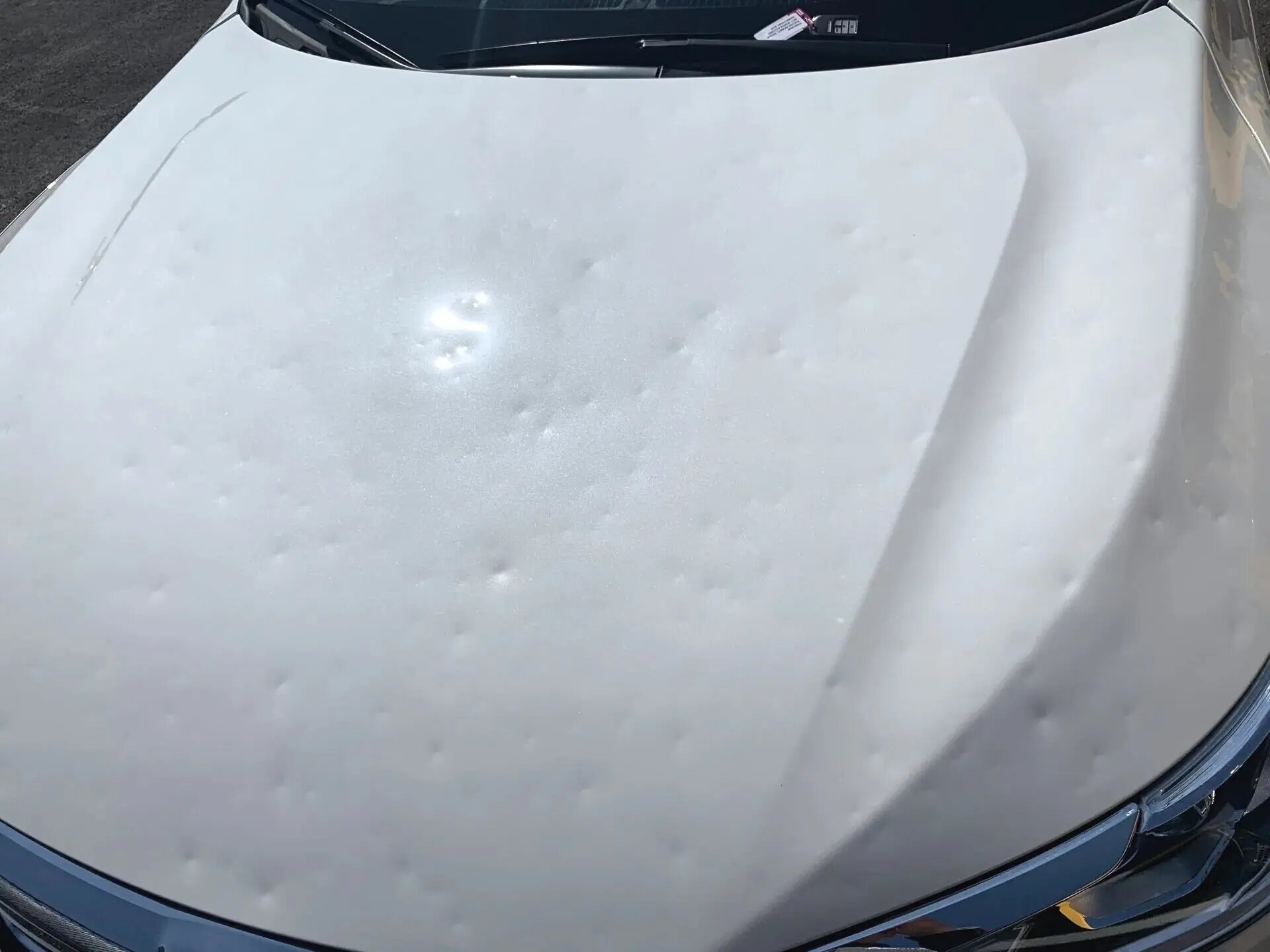
During an adjuster inspection, the insurance adjuster examines your vehicle, counts and measures hail dents, and writes the initial repair estimate.
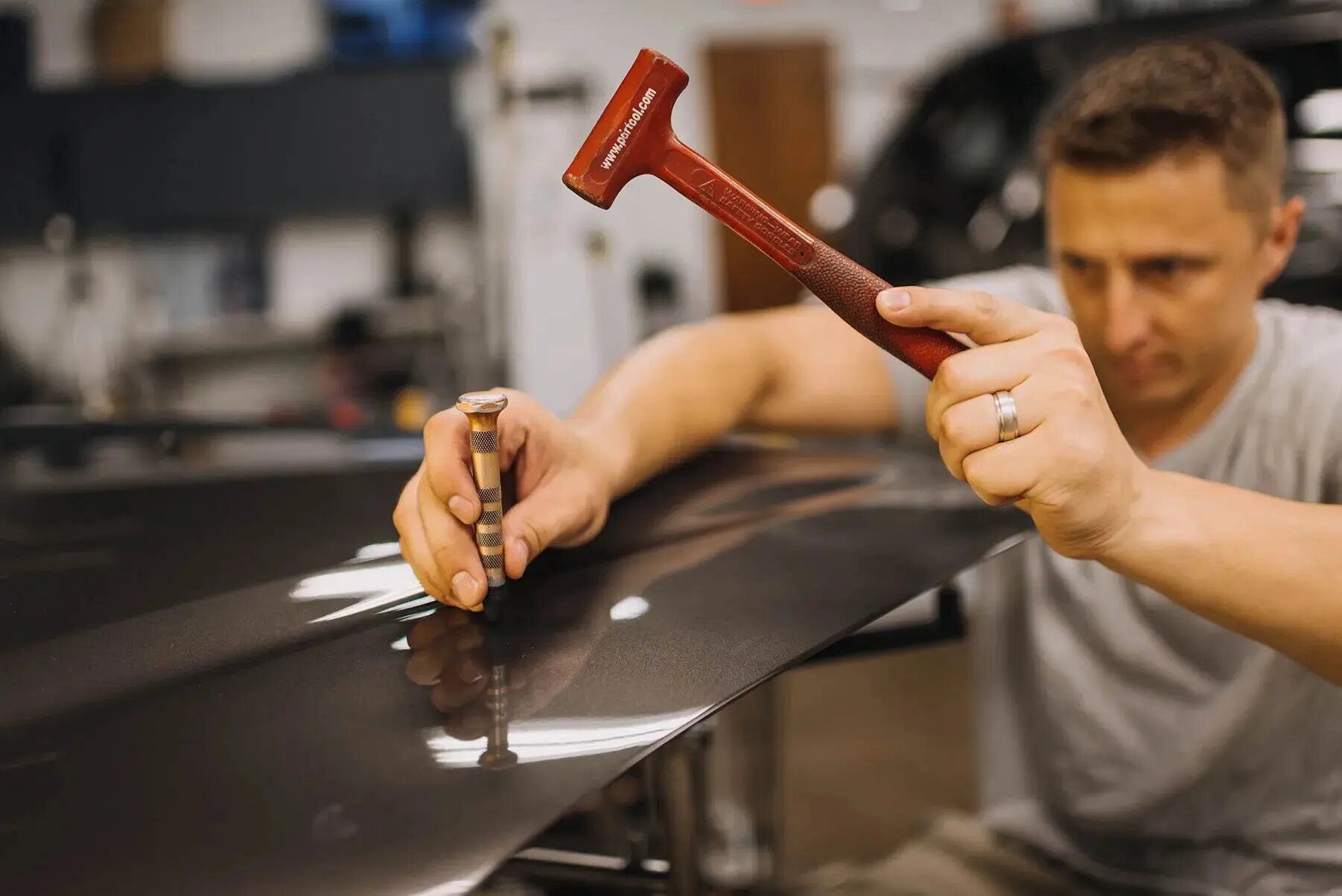
Aluminum panels can be repaired with PDR, but aluminum behaves differently from steel — it is stiffer, has less shape memory, and work-hardens as it is worked — so it requires different technique, more time, and often specific tools.

Repairing dents before a lease return is usually cheaper than paying the leasing company's excess wear charges, which are billed at dealer rates.
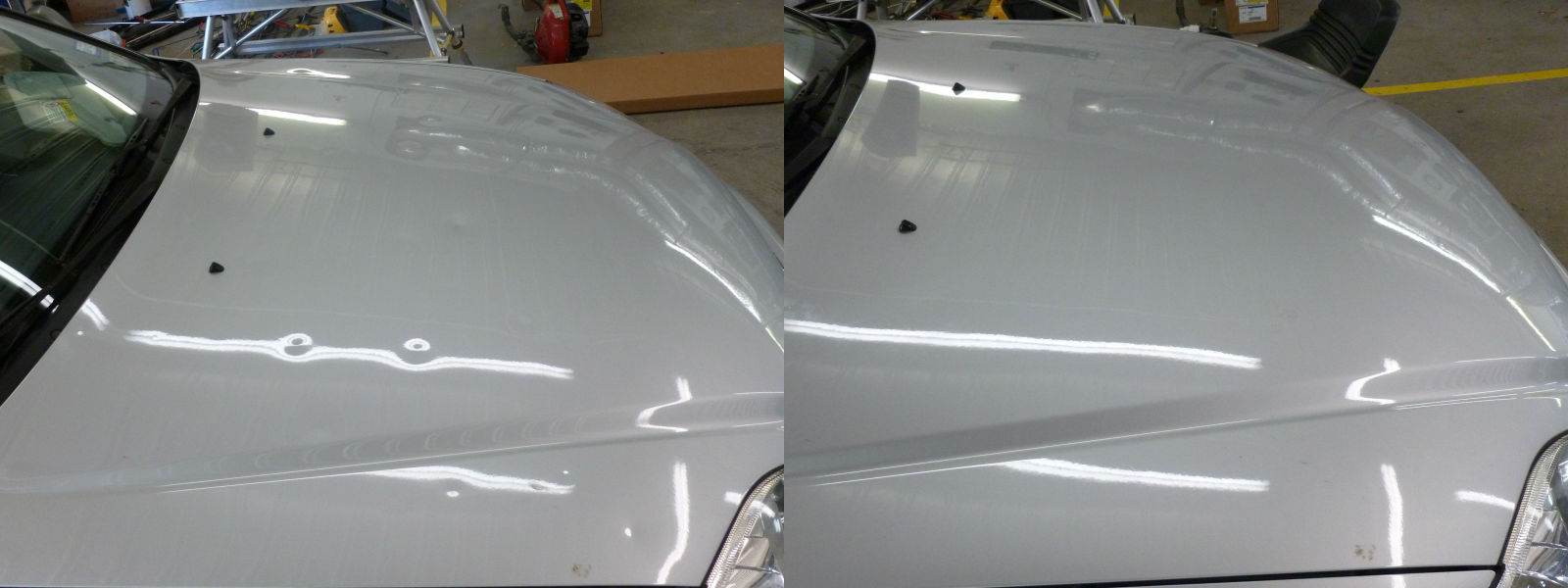
Many deep creases and large dents can be repaired with PDR, but not all.
The best dent-repair shop near you is usually the one that specializes in paintless dent repair, operates from a permanent location, shows real before-and-after work, and puts its warranty in writing.
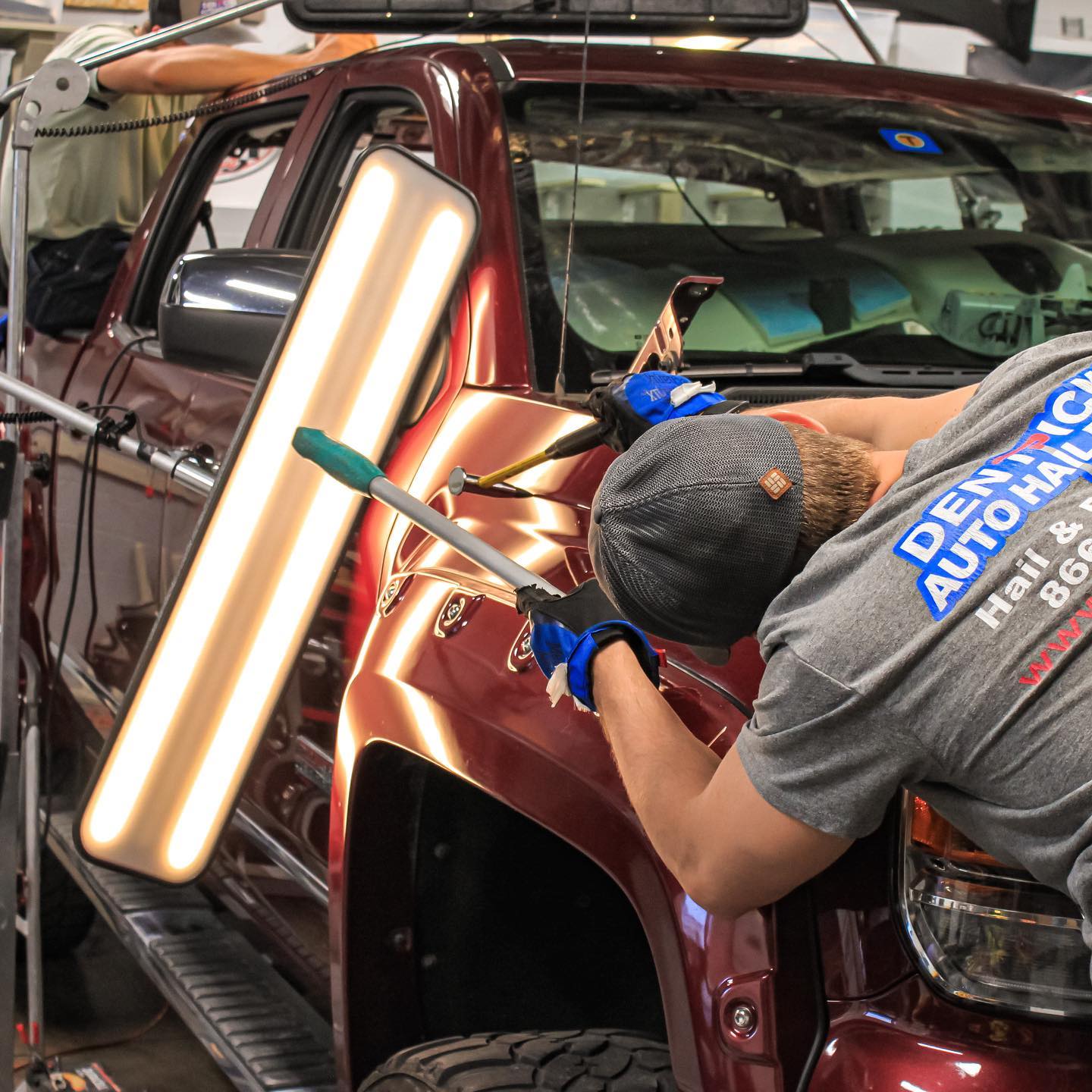
For dents where the paint is intact and the panel is accessible, paintless dent repair is usually faster and less expensive than body-shop repair, and it preserves the factory paint.
In Texas, hail damage is covered by the comprehensive portion of your auto policy, not collision. You pay your deductible — typically $500 or $1,000 — and your insurer pays the rest of a covered repair.
Send us photos of the damage or schedule an inspection at the Plano shop — we'll tell you honestly what your vehicle needs, what it should cost, and whether a claim makes sense.
Someone from the team will get back to you. If it is urgent, call (866) 336-8767 and you will reach the Plano shop.