
Every guide is grounded in real repair work at our Plano shop and technically reviewed by founder Vytas Kucinskas before it carries the reviewed label. Sources and review dates are shown on every page.
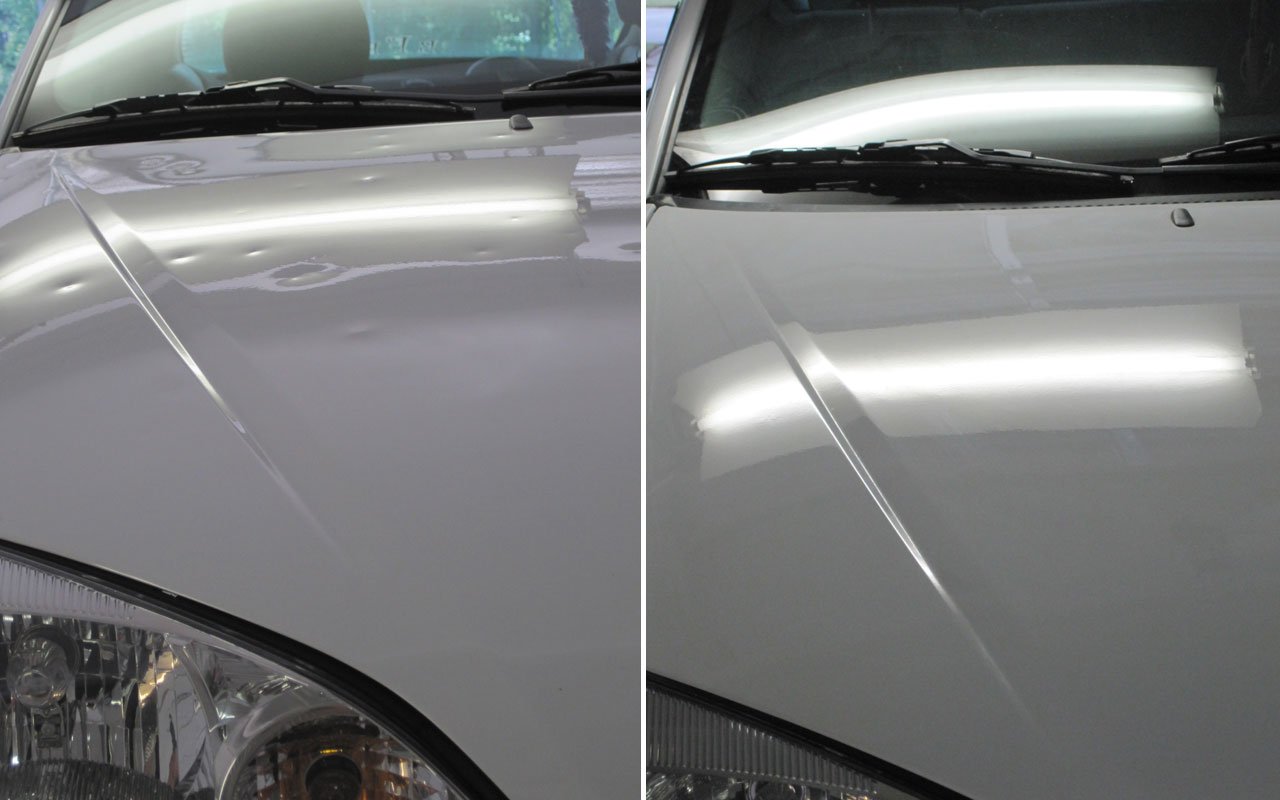
Often yes. Whether you trade the vehicle, buy it out or return it early, damage is priced against you at retail — as an appraisal deduction or an excess wear charge — while paintless dent repair is priced as specialist labor.
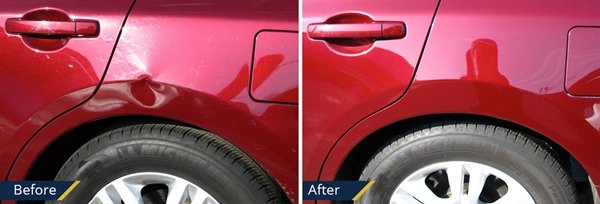
Often, but not always. Technicians reach many braced areas through factory lightening holes, wiring openings and apertures left by removing lamps, liners or trim.
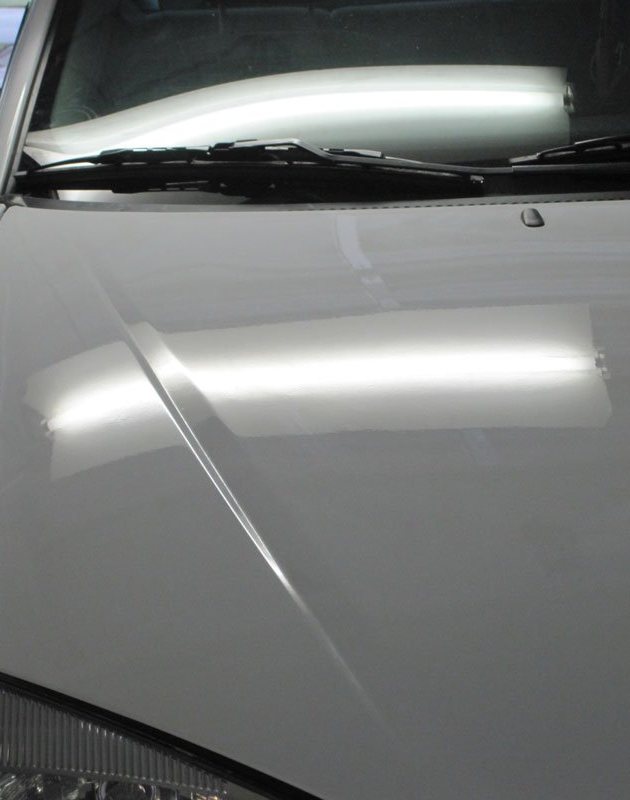
Yes, it often does. Lease-end damage is normally assessed at retail body-shop rates, so anything that moves a dent from push-out territory into refinish territory raises the charge.
Build a short packet and volunteer it early. Keep an itemized repair order that states the method for each panel, your own before photos, matched after photos, the claim number and date of loss if a claim was involved, the warranty document…
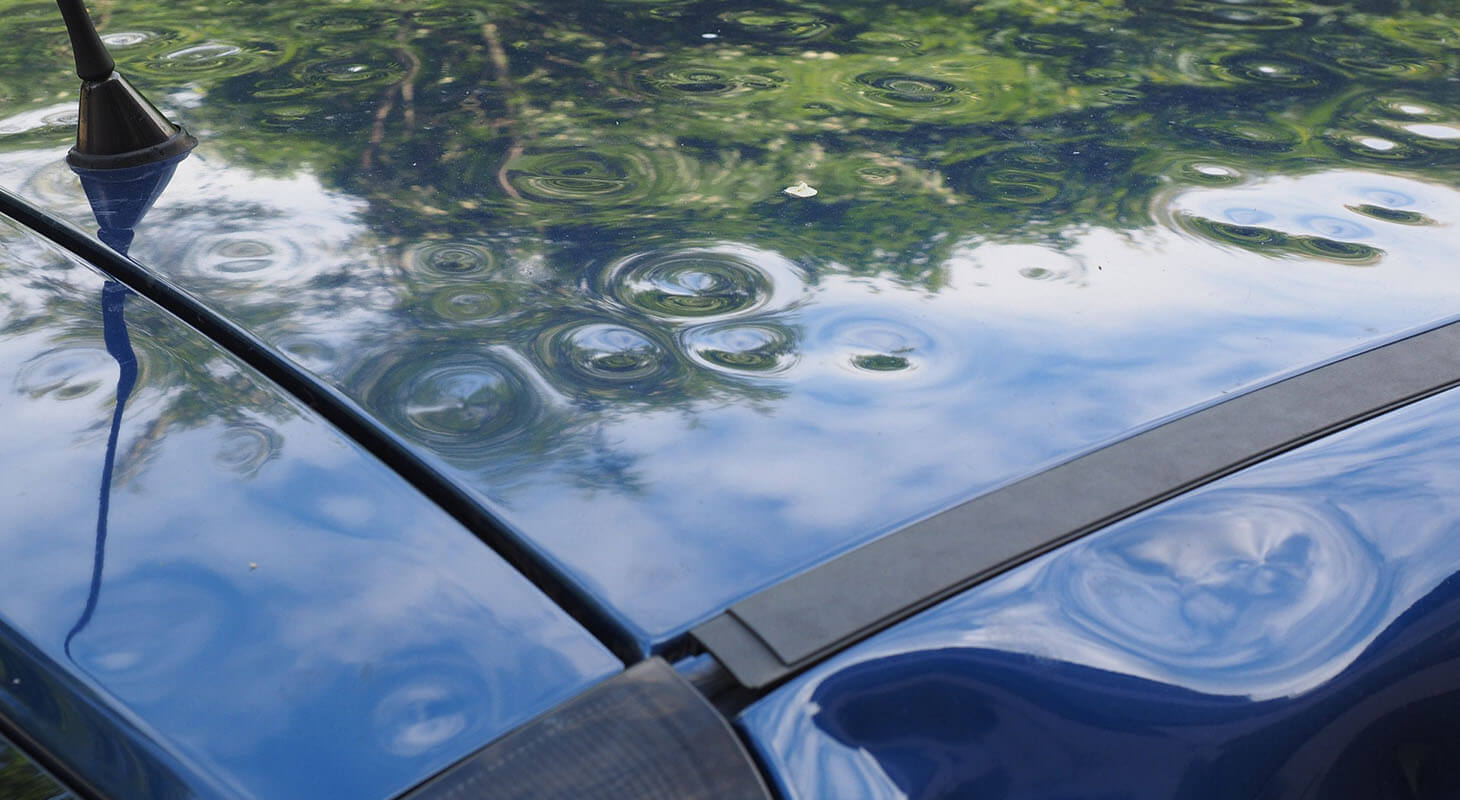
A claim can, the repair usually does not. Paintless dent repair creates no vehicle-history record because no parts, paint or title event are involved.
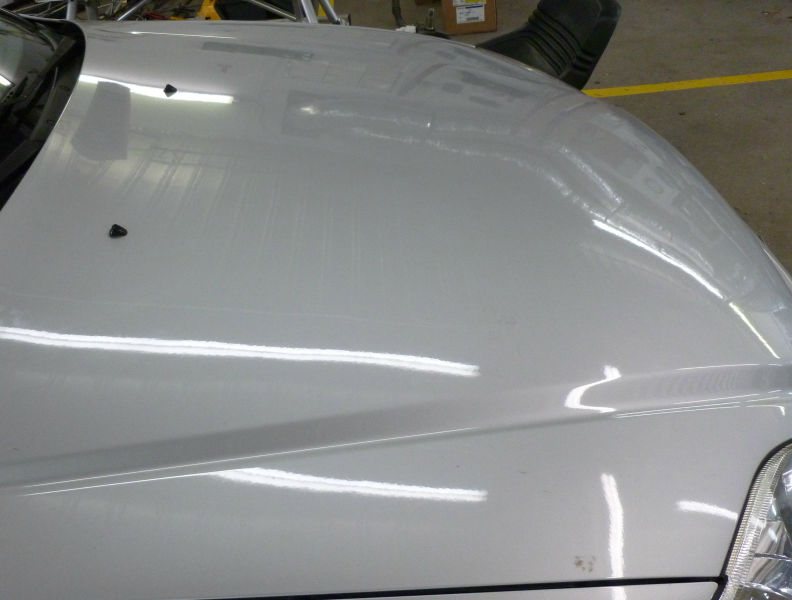
No. Paintless dent repair done properly reaches the back of a panel through factory access holes and plugs, window channels, grommets, lamp openings and removed trim — or works the dent from the outside with glue tabs where nothing behind can be…
Usually yes. The door stays on its hinges and the factory paint stays on the panel; access comes from inside the door once the trim panel or vapor barrier is out, or through the window slot.
Ask which panels were actually worked and walk them under shop lighting; ask what changed from the original plan, including any supplement, refinish or panel replacement; ask what the warranty covers, in writing, and whether it transfers; ask who signed off quality…
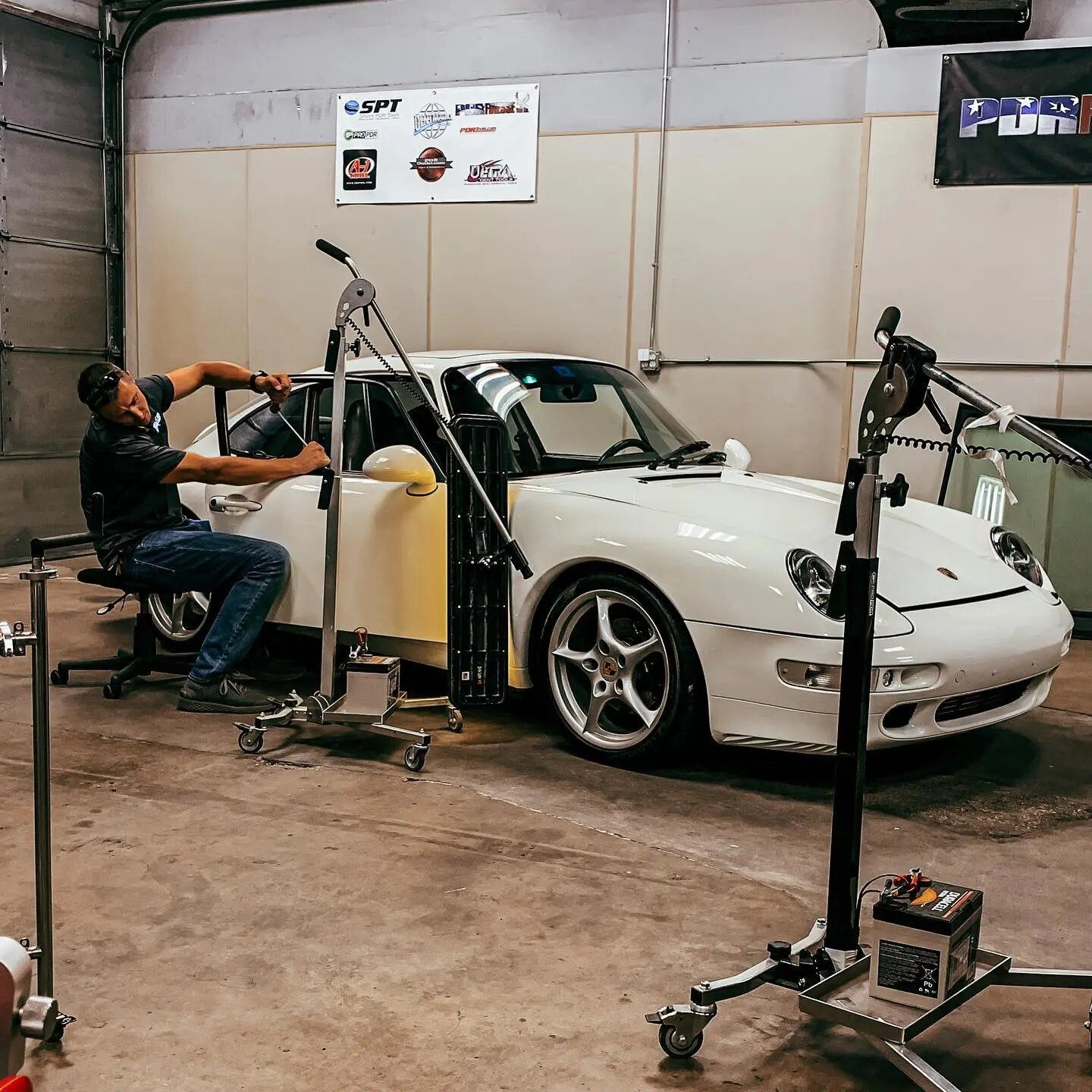
Usually yes. Front fenders are bolt-on panels with reasonable access from behind, so steel and aluminum fender dents with intact paint are common paintless repairs.
Start by getting the insurer's position in writing — the specific reason for a denial, or the line-by-line estimate behind an underpayment.
Much like on an owned car: you report the claim to your insurer, an adjuster inspects, and you choose the repair shop.
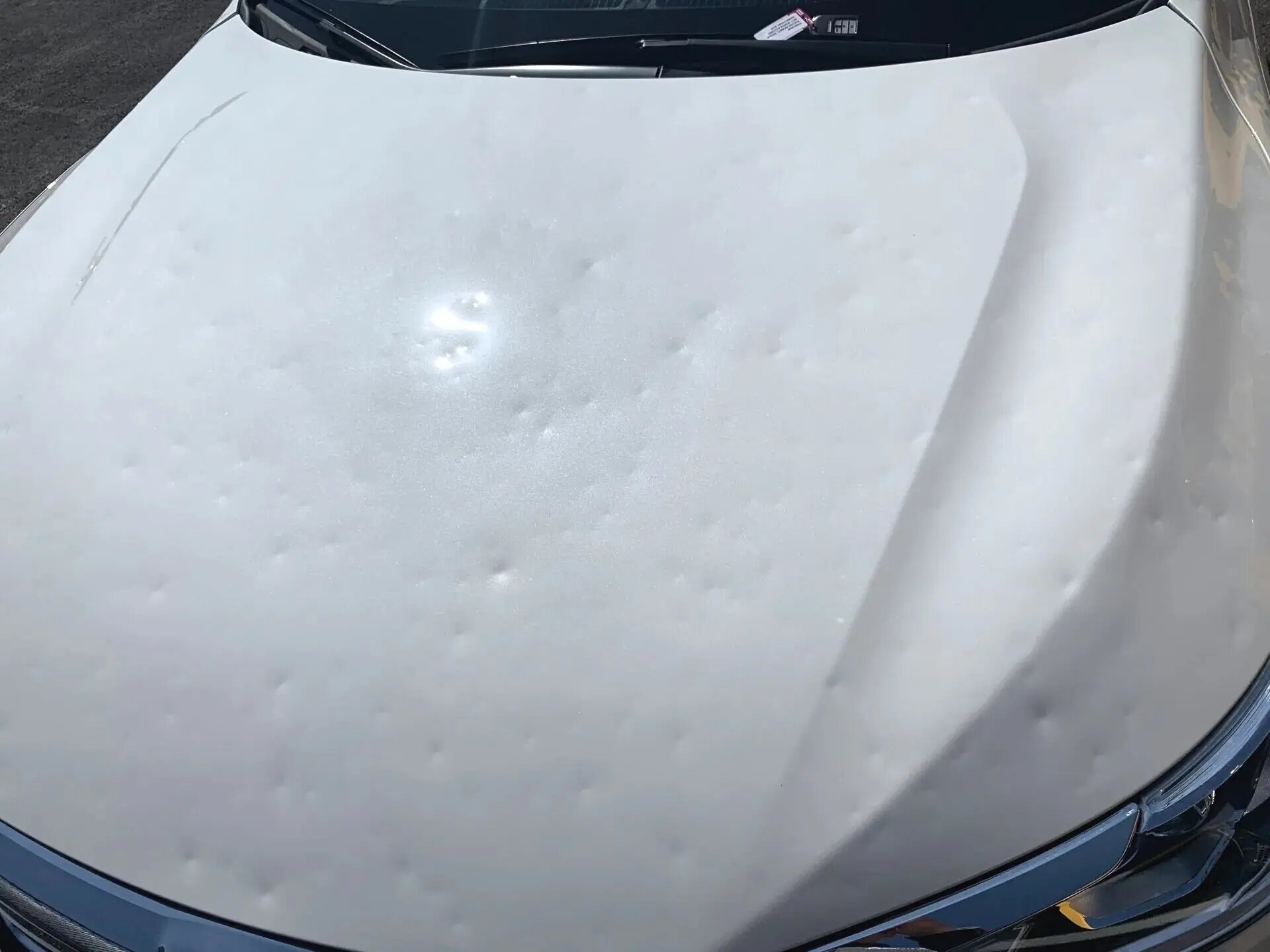
The claim itself is unchanged: you file it, an adjuster inspects, an estimate is written, and you choose the repair shop. What changes is the money.
Send us photos of the damage or schedule an inspection at the Plano shop — we'll tell you honestly what your vehicle needs, what it should cost, and whether a claim makes sense.
Someone from the team will get back to you. If it is urgent, call (866) 336-8767 and you will reach the Plano shop.