Every guide is grounded in real repair work at our Plano shop and technically reviewed by founder Vytas Kucinskas before it carries the reviewed label. Sources and review dates are shown on every page.
Weight reviews by what the customer could actually observe. Communication, timelines, billing surprises and reassembly problems are real evidence; "looks brand new" is a sincere impression formed in a parking lot, not an inspection.
Because they answer different questions. Storm data — radar swaths, spotter reports, verification reports — establishes that hail occurred near a location on a date, at neighborhood resolution.
Four options cover almost everyone: a rental through your own rental reimbursement coverage, complimentary DentPicks pickup and delivery across DFW on insurance-approved hail claims, staging a second household vehicle, or covering a short repair with rideshare.
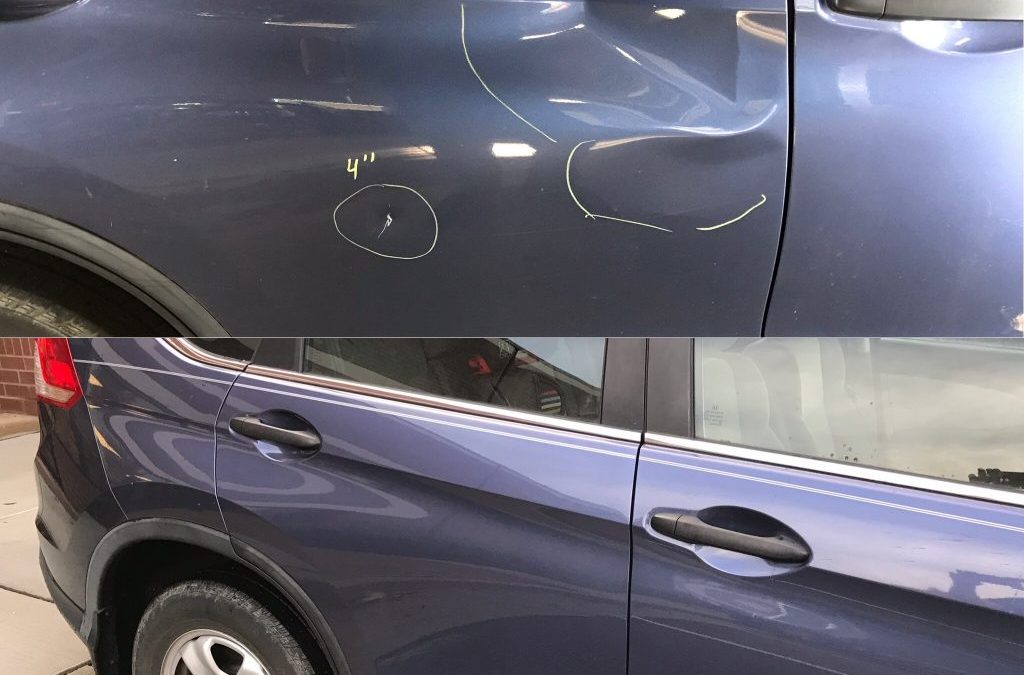
Start by documenting it: wash the panel and photograph the area against a straight reflected line, not in flat midday sun.
For an insurance-approved hail claim, yes — you may never make the drive at all, because pickup and delivery across DFW is complimentary and the quote is usually verbal from photos.
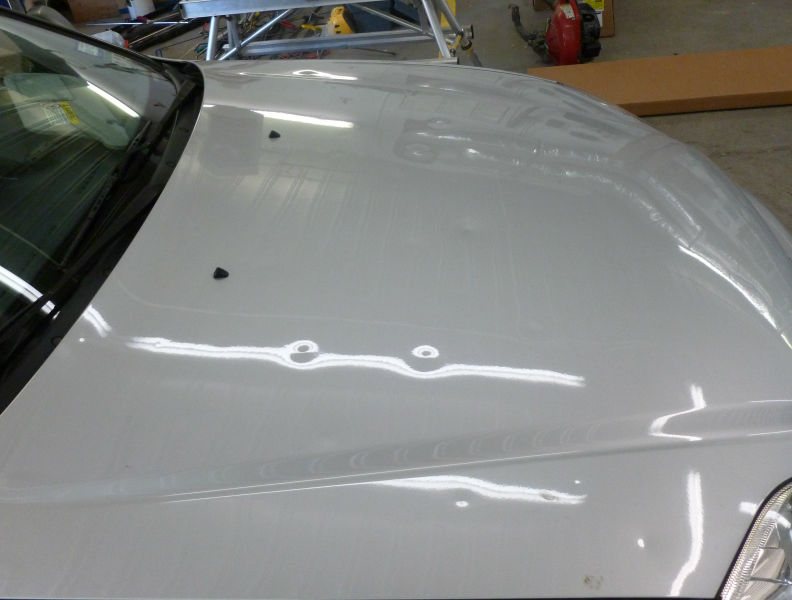
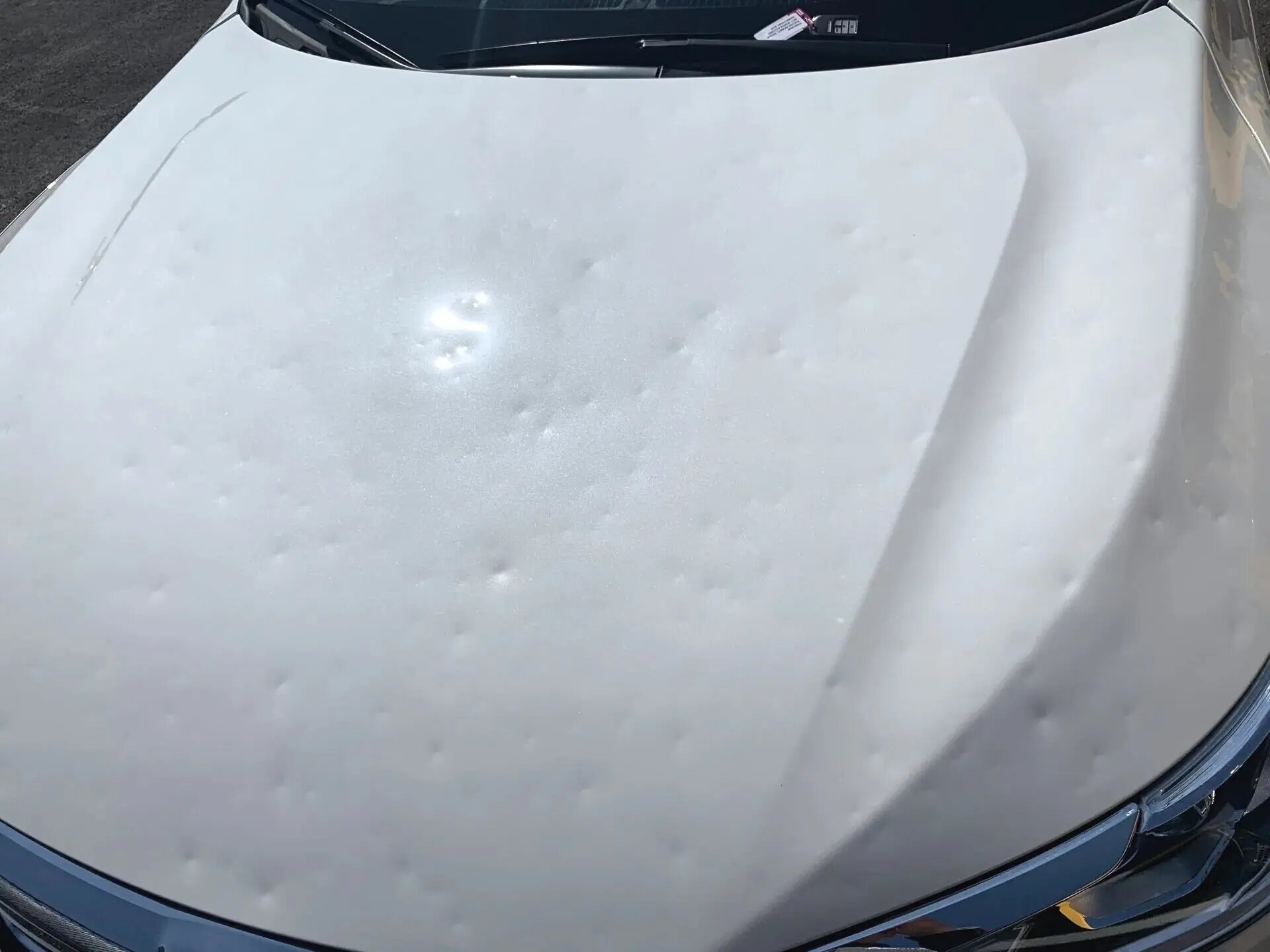
The roof, hood and decklid or tailgate take the most hail damage because they face the sky and are large, thin, mostly unsupported panels. Wind-driven hail adds upper door skins, fenders, quarter panels, mirrors and glass.
Yes, in most cases. Clean, dry paint reflects light cleanly, and shallow hail dents only show up as distortions in a reflection. Use a hand or touchless wash, dry it fully, and skip wax or spray sealant, which soften the contrast.
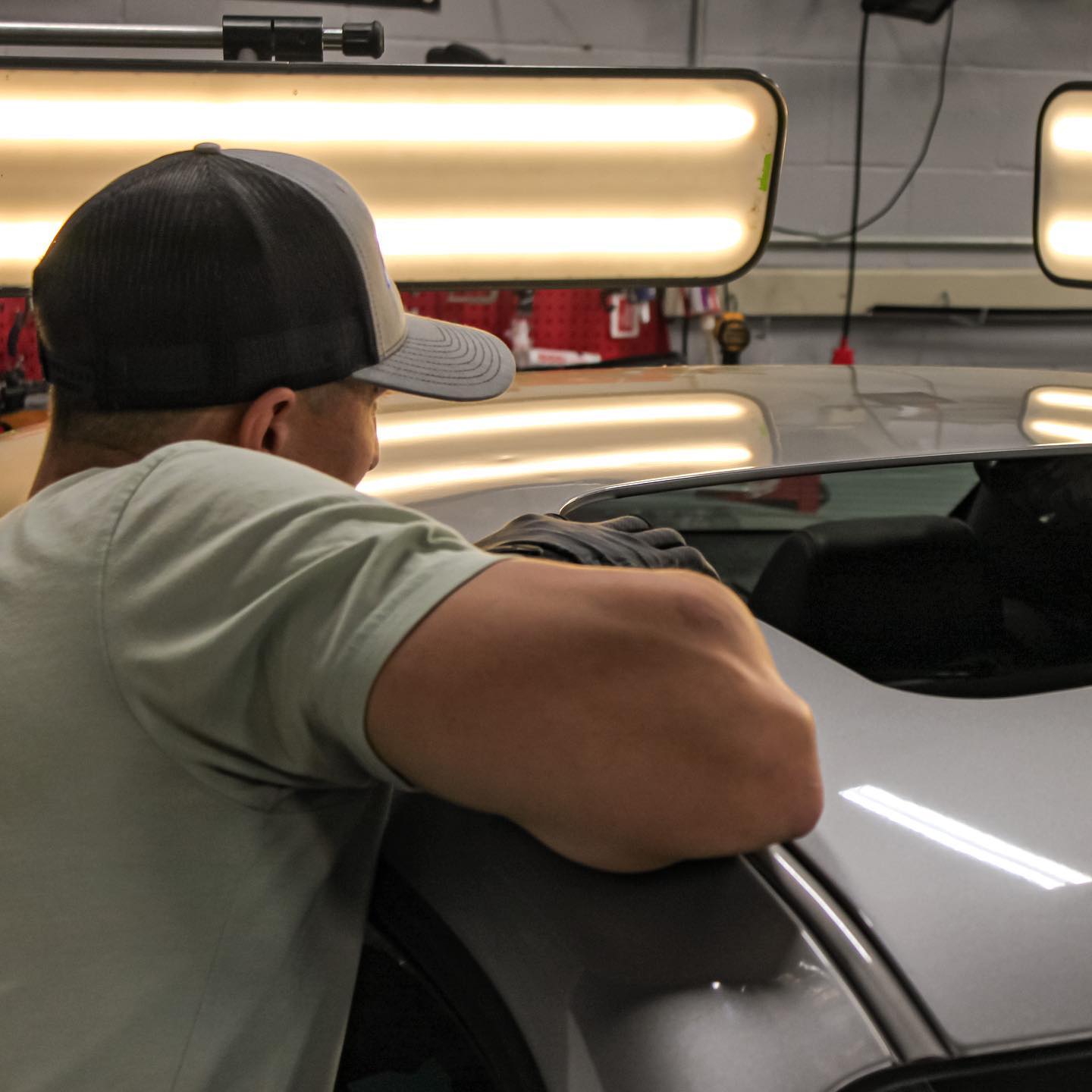
A proper hail inspection reads every exterior panel under reflection lighting, records dent count and severity per panel, and judges paint condition, metal stretch, panel access and prior repairs. It also covers glass, lamps, seals, sunroof drains and any driver-assistance faults.
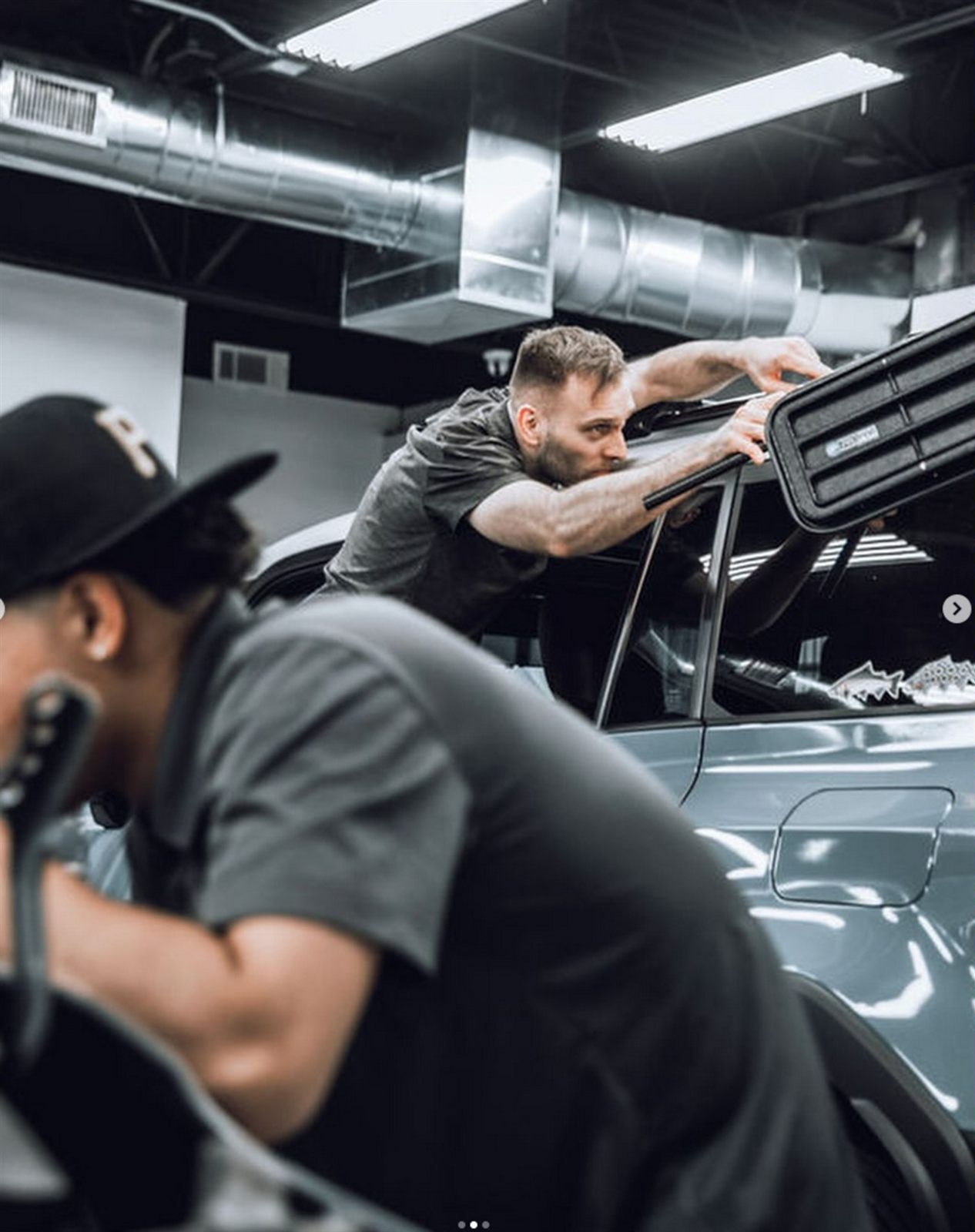
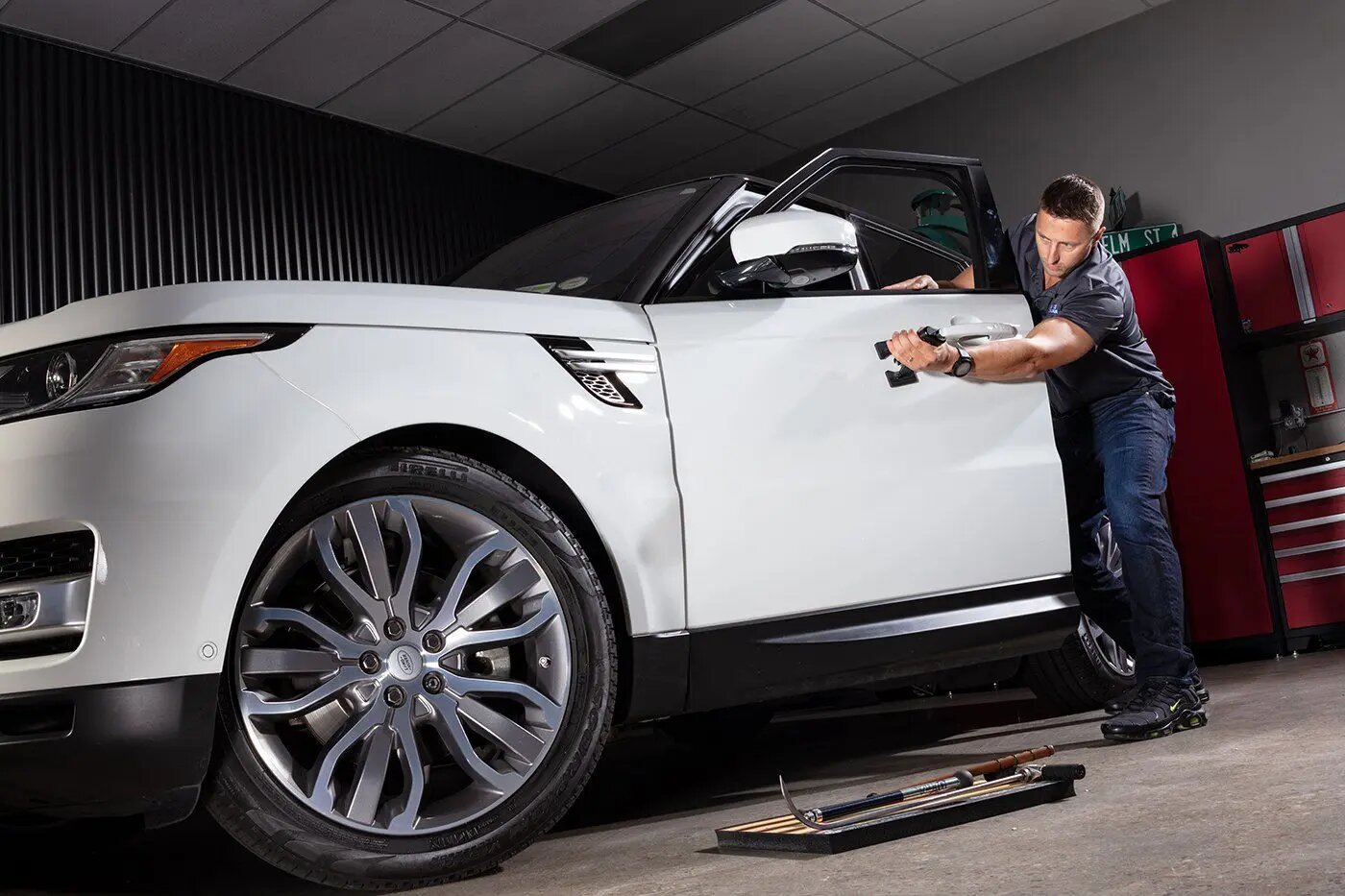
A lifetime PDR warranty should cover workmanship on the panels the shop repaired: the dent staying out, the finish quality of the repaired area, and any damage caused during the repair itself.
It covers every repaired panel under reflection lighting, read both close up and from several steps back, looking for residual lows, high spots, tool rings, glue residue, cracked paint and distorted body lines.
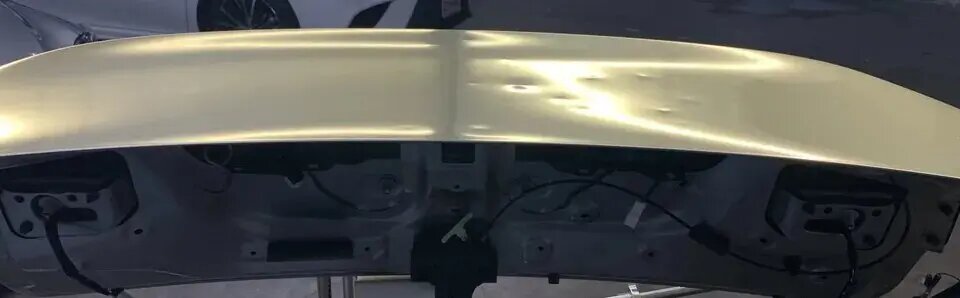
A written PDR estimate should identify the vehicle by VIN, list each damaged panel as its own line item, and show the basis for each price: dent count, dent size and access difficulty.
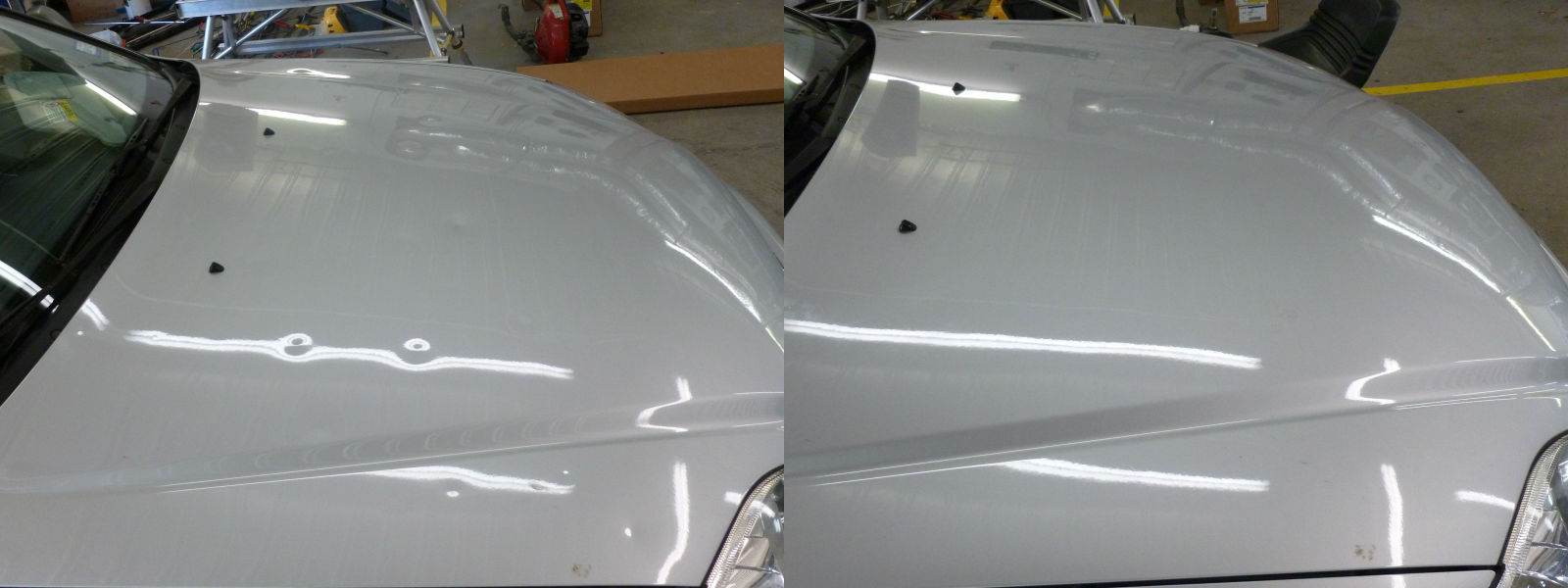
Photos prove that damage existed, that a panel kept its factory paint, and that body lines were restored. They cannot prove a panel is flat, because diffuse light, head-on angles, wet paint and tight crops all hide shallow ripples.
Send us photos of the damage or schedule an inspection at the Plano shop — we'll tell you honestly what your vehicle needs, what it should cost, and whether a claim makes sense.
Someone from the team will get back to you. If it is urgent, call (866) 336-8767 and you will reach the Plano shop.