
Every guide is grounded in real repair work at our Plano shop and technically reviewed by founder Vytas Kucinskas before it carries the reviewed label. Sources and review dates are shown on every page.
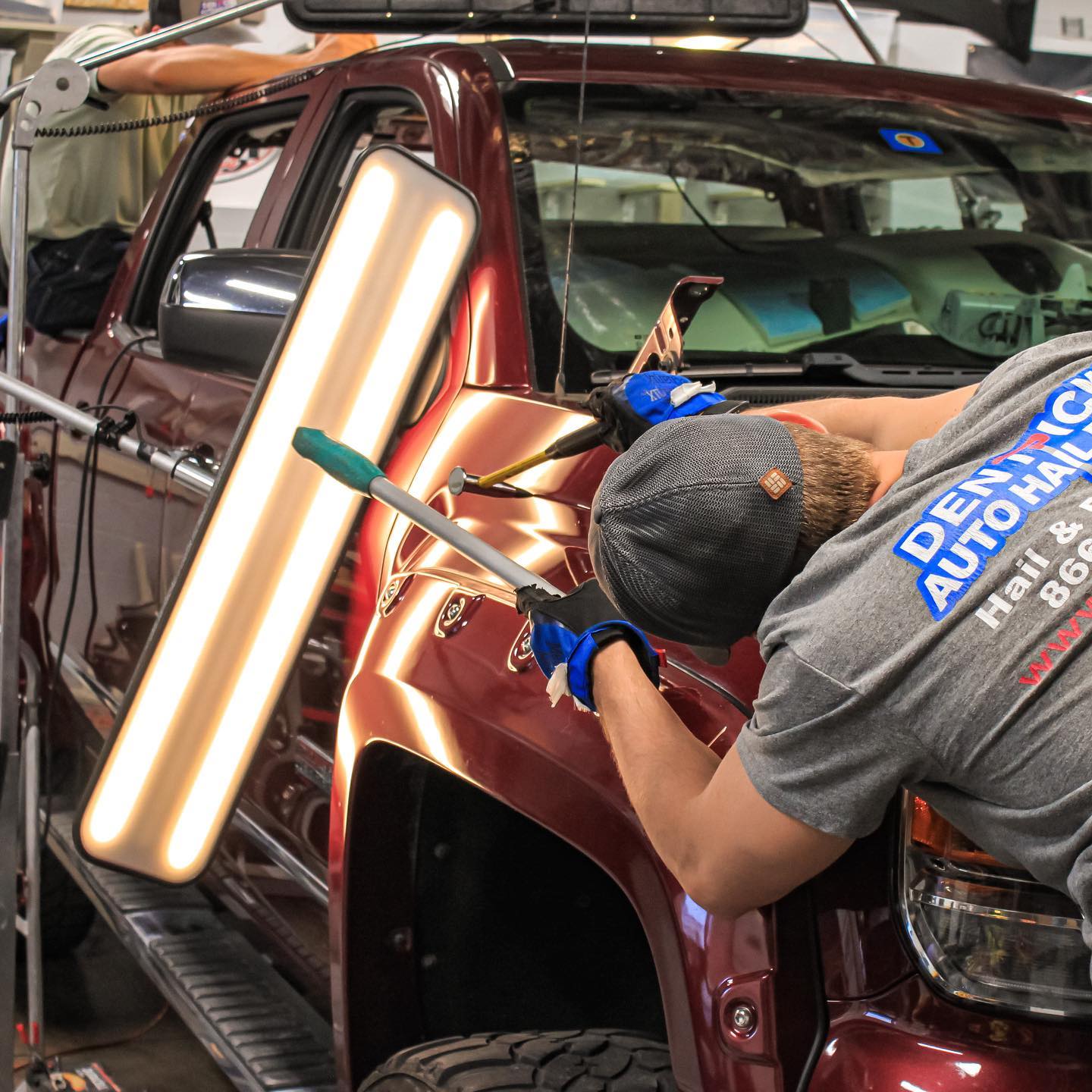
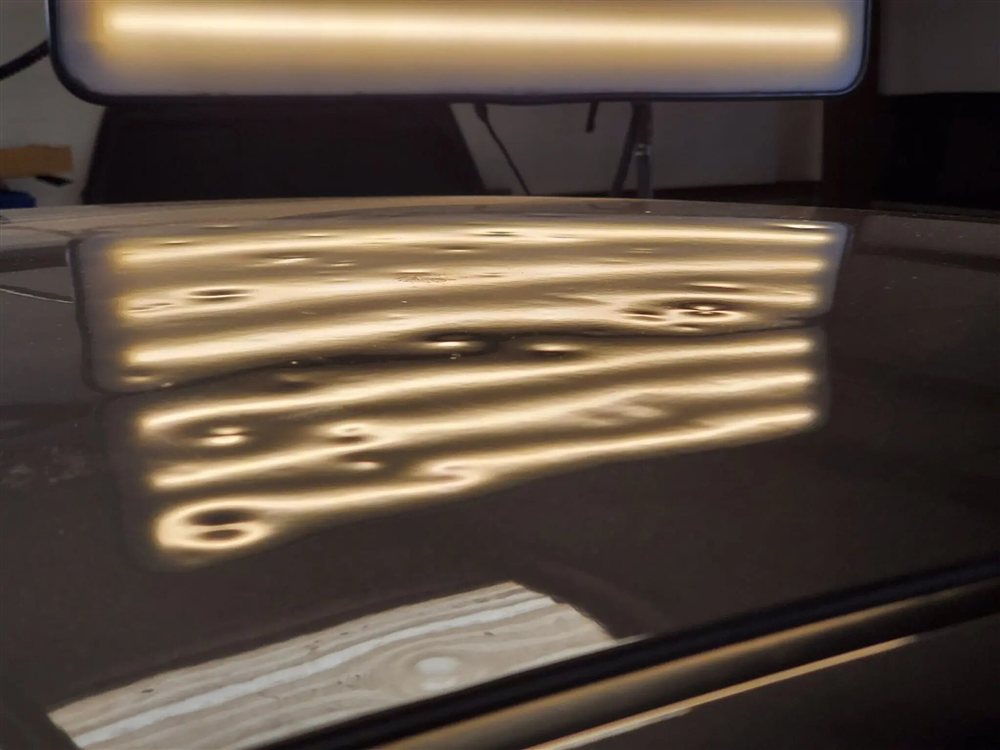
By putting a controlled reflection on every panel. Technicians use LED line boards or matrix lighting, sweep the reflected lines across each surface, and count every place the lines bend. Horizontal panels come first, then verticals, then trim, glass and lamps.
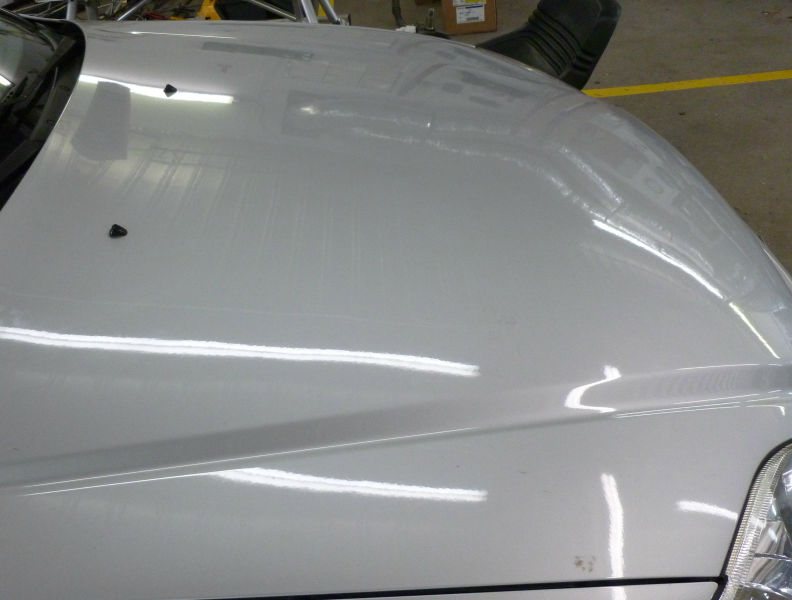
Contact the shop that did the work, describe what you are seeing, and bring the vehicle in. The panel is re-read under reflection lighting and compared against the original job record.
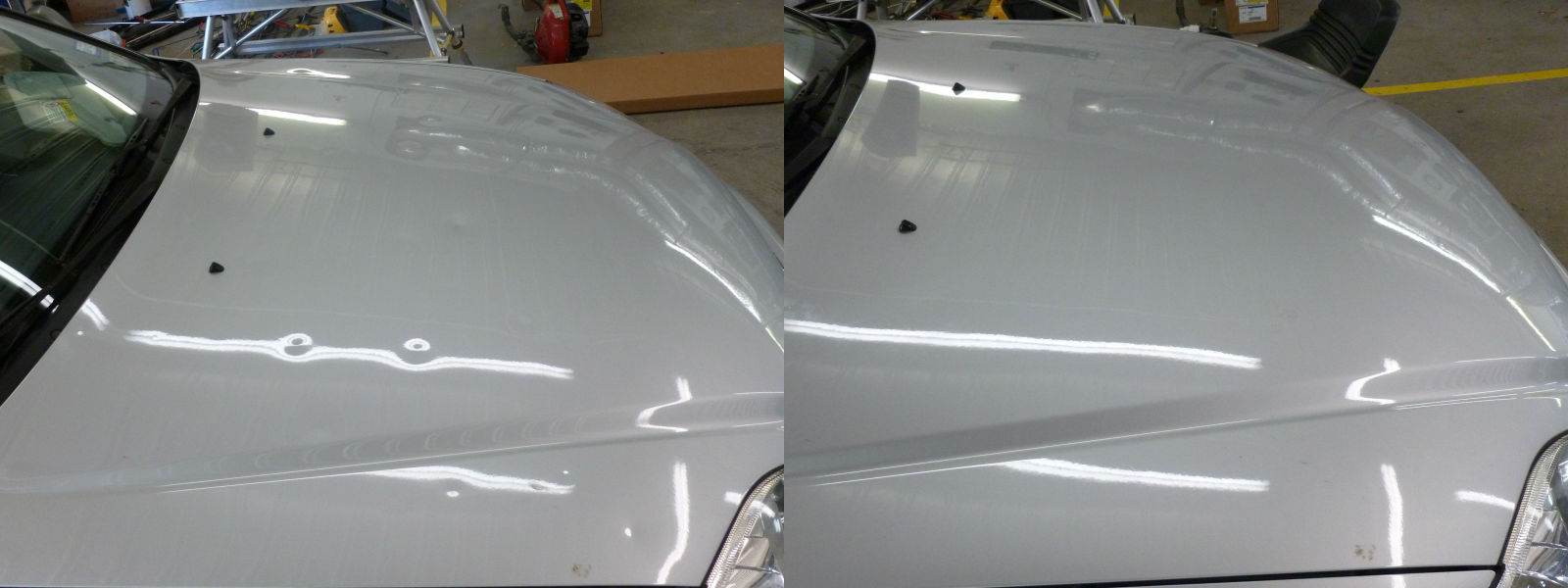
Look for pairs shot at the same angle, distance and lighting, with a straight reflection crossing the panel in the after photo, and the whole panel in frame rather than a tight crop.
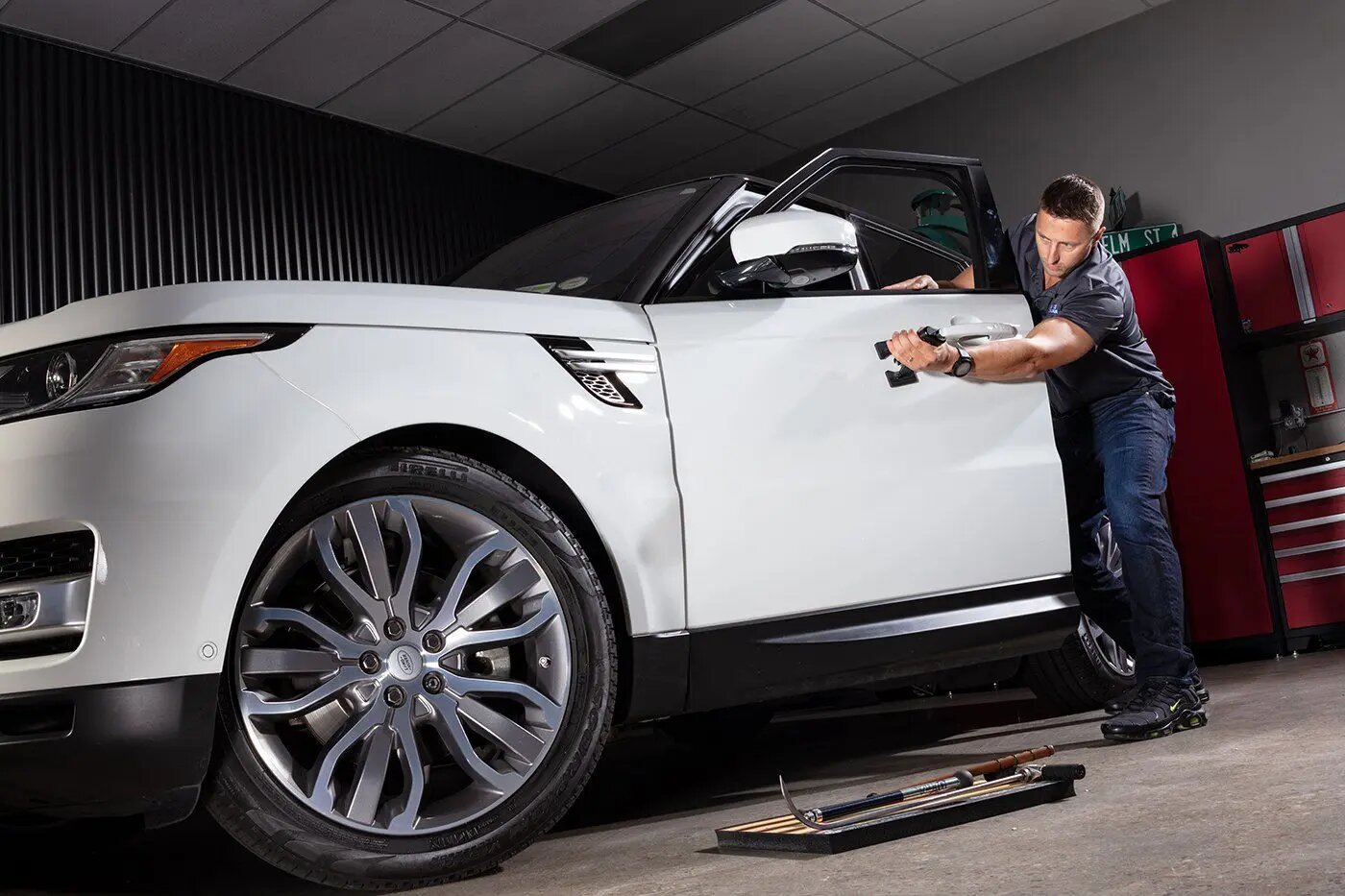
Ask directly and then verify on site. Six questions settle it: where the vehicle will physically be, whether the PDR technician is an employee, which operations are sublet, who honors the warranty on sublet work, whether you can see the bay where…
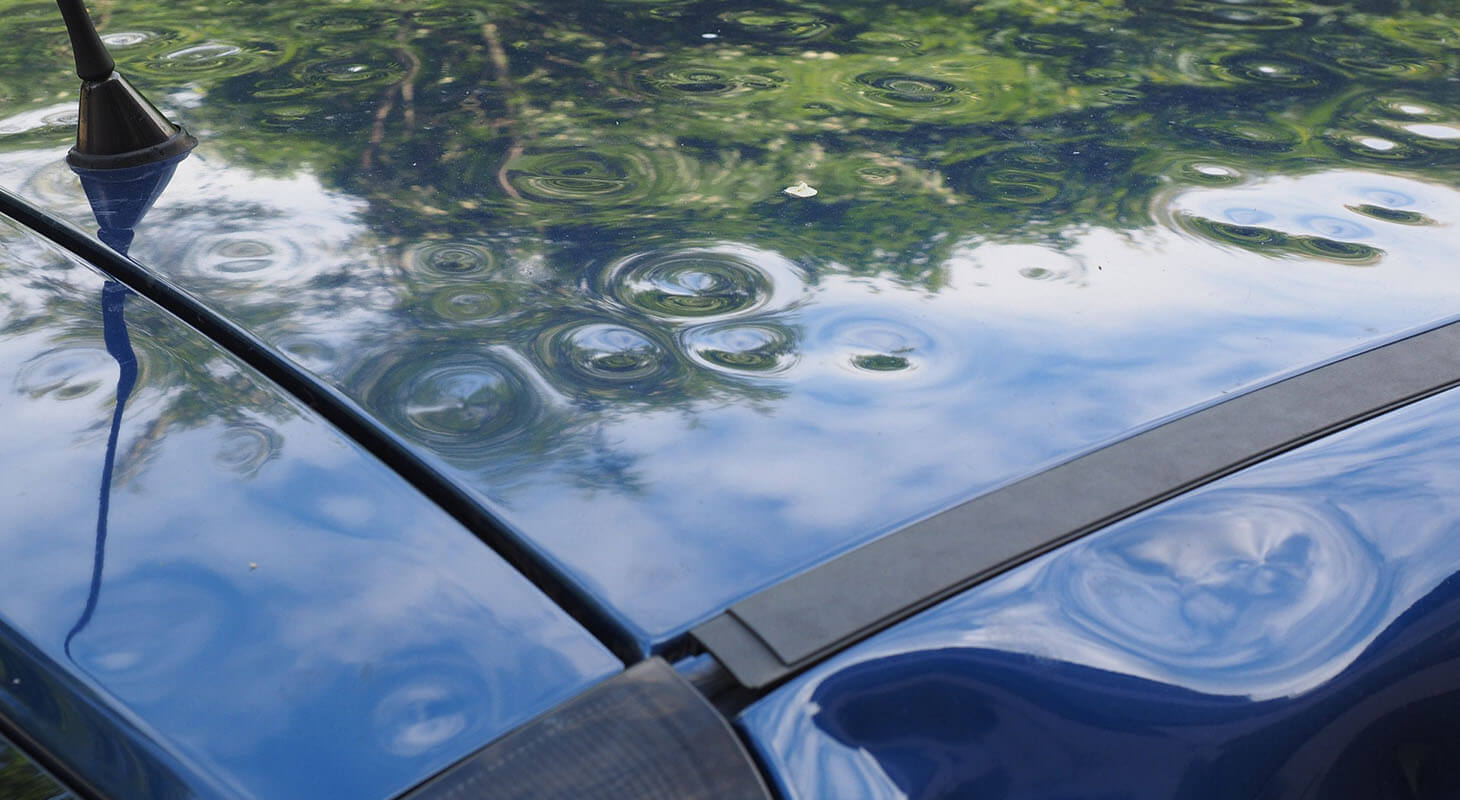
Inspect it under reflection lighting, not ambient light: watch a straight reflected line move across each repaired panel and look for kinks.
Hail falls under the comprehensive part of a Texas auto policy. You file the claim; a shop can help with photos, the adjuster meeting, supplements and paperwork. You choose the repairer — a carrier can recommend one but cannot require it.
No. A DentPicks written lifetime warranty covers the repair for as long as you own the vehicle and ends when the vehicle changes hands. That is standard for workmanship warranties across the trade.
Usually yes. Hail deforms the outer panels, not the frame, brakes or drivetrain, so a car with dents but intact glass and lighting is normally safe to drive.
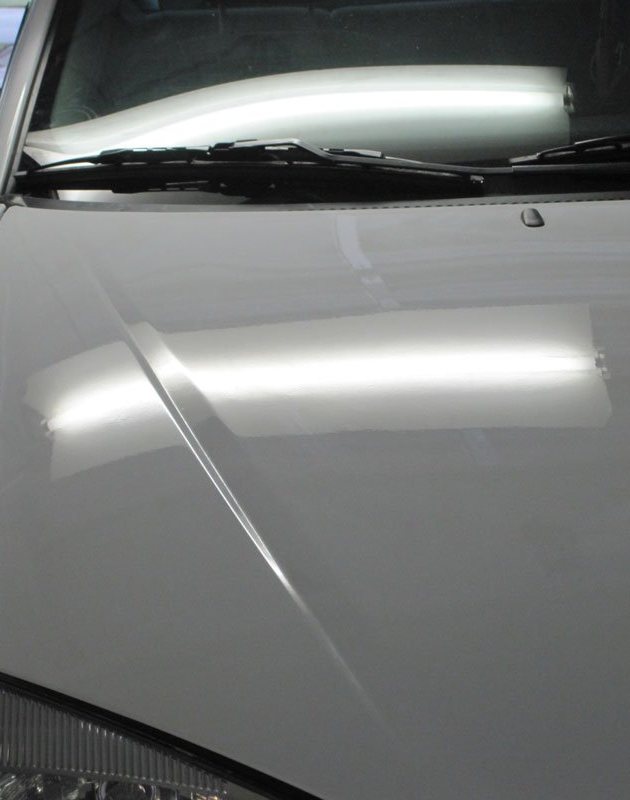
They get handled as two different repairs. Dents with intact paint can usually be worked out paintless, while scratches, scuffs and chips that break the finish need refinishing — more steps, more time, more cost. Metalwork comes first, then paint.
Not always. If the supplement was written before any disassembly and the carrier is clearing it on documentation, the car is usually drivable and can go home until approval or parts arrive.
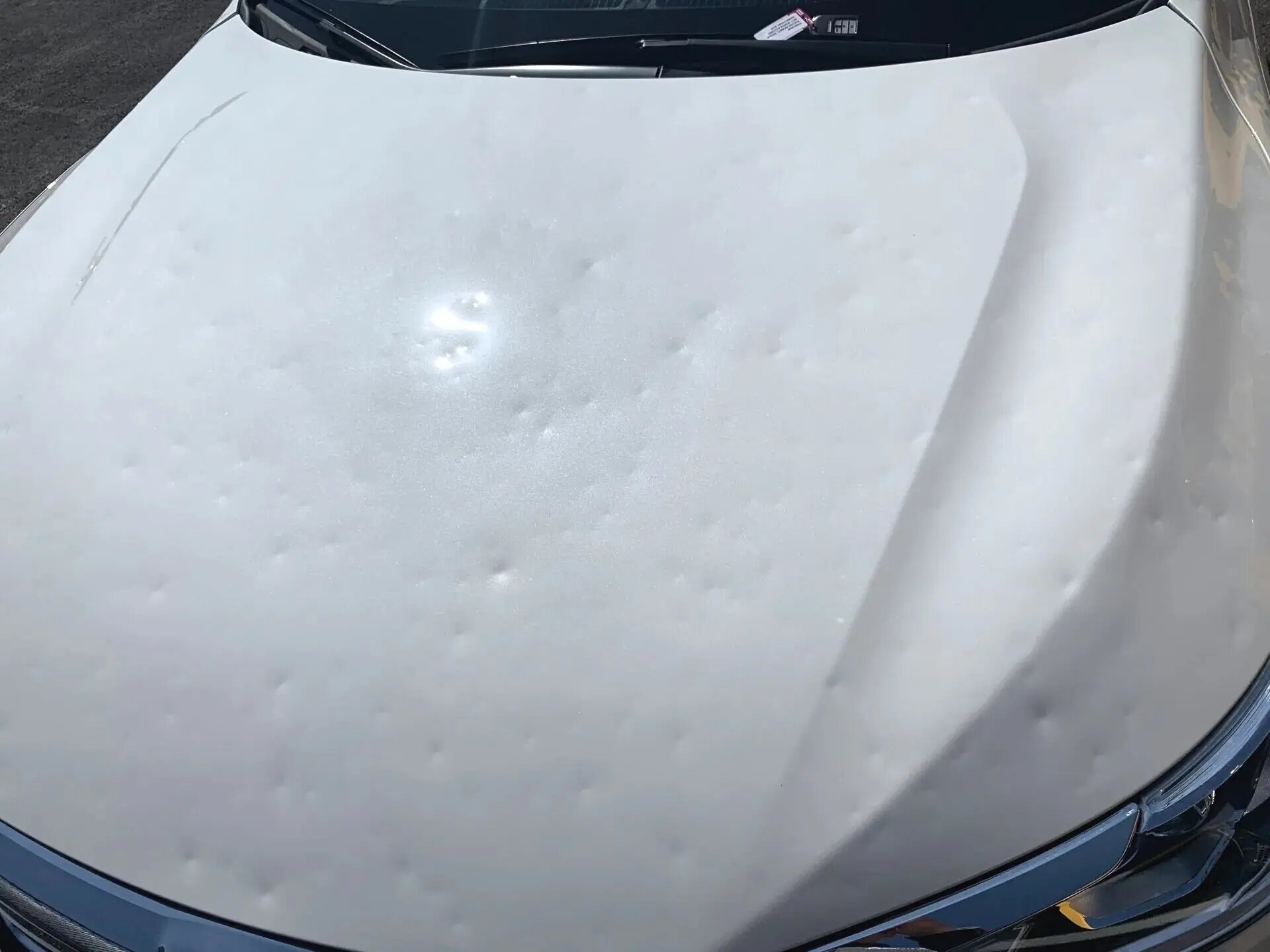
Hail damage is many round, shallow, soft-edged dents concentrated on the roof, hood and decklid, usually with the paint intact and a consistent directional lean.
Do not guess a date. Photograph every panel first, then bracket the window between the last time the car was undamaged and today, and check NOAA storm reports and your local National Weather Service office for hail-producing storms inside that window.
Send us photos of the damage or schedule an inspection at the Plano shop — we'll tell you honestly what your vehicle needs, what it should cost, and whether a claim makes sense.
Someone from the team will get back to you. If it is urgent, call (866) 336-8767 and you will reach the Plano shop.