
Aluminum, EVs, luxury panels and model-specific quirks. What changes when the metal, sensors or manufacturer procedures are different.
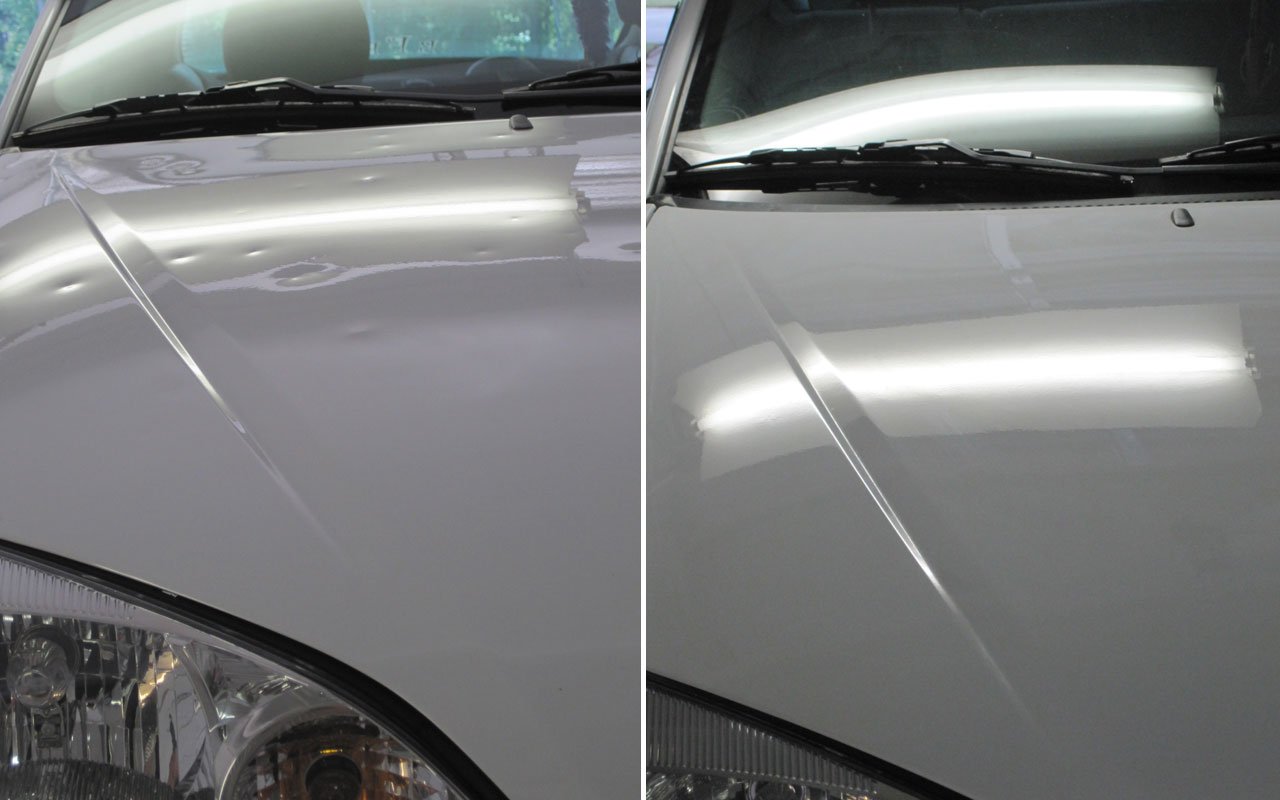
Look for documented work on comparable aluminium or composite panels, a fixed facility with controlled LED lighting, and a technician who will walk you through exactly how they would access your dent.
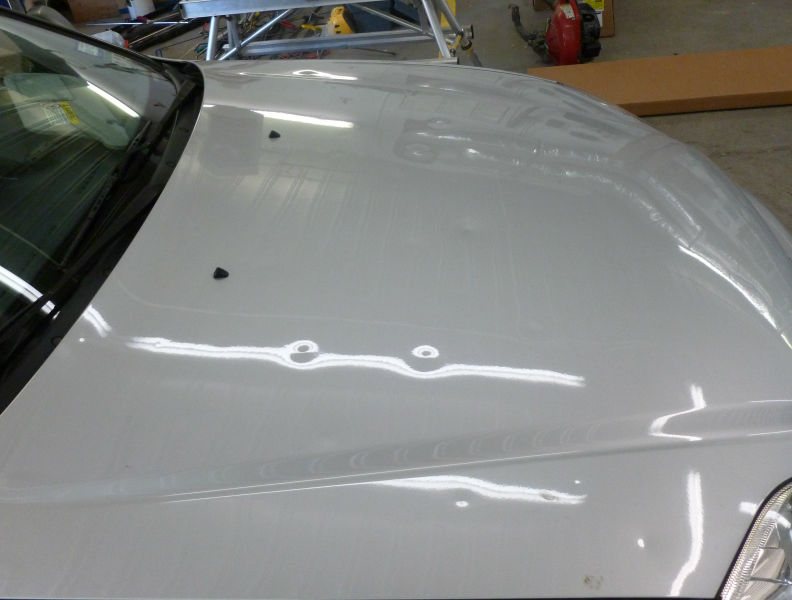
Ask whether the dent can be repaired without paint, how the technician will access it, and whether anything is drilled.
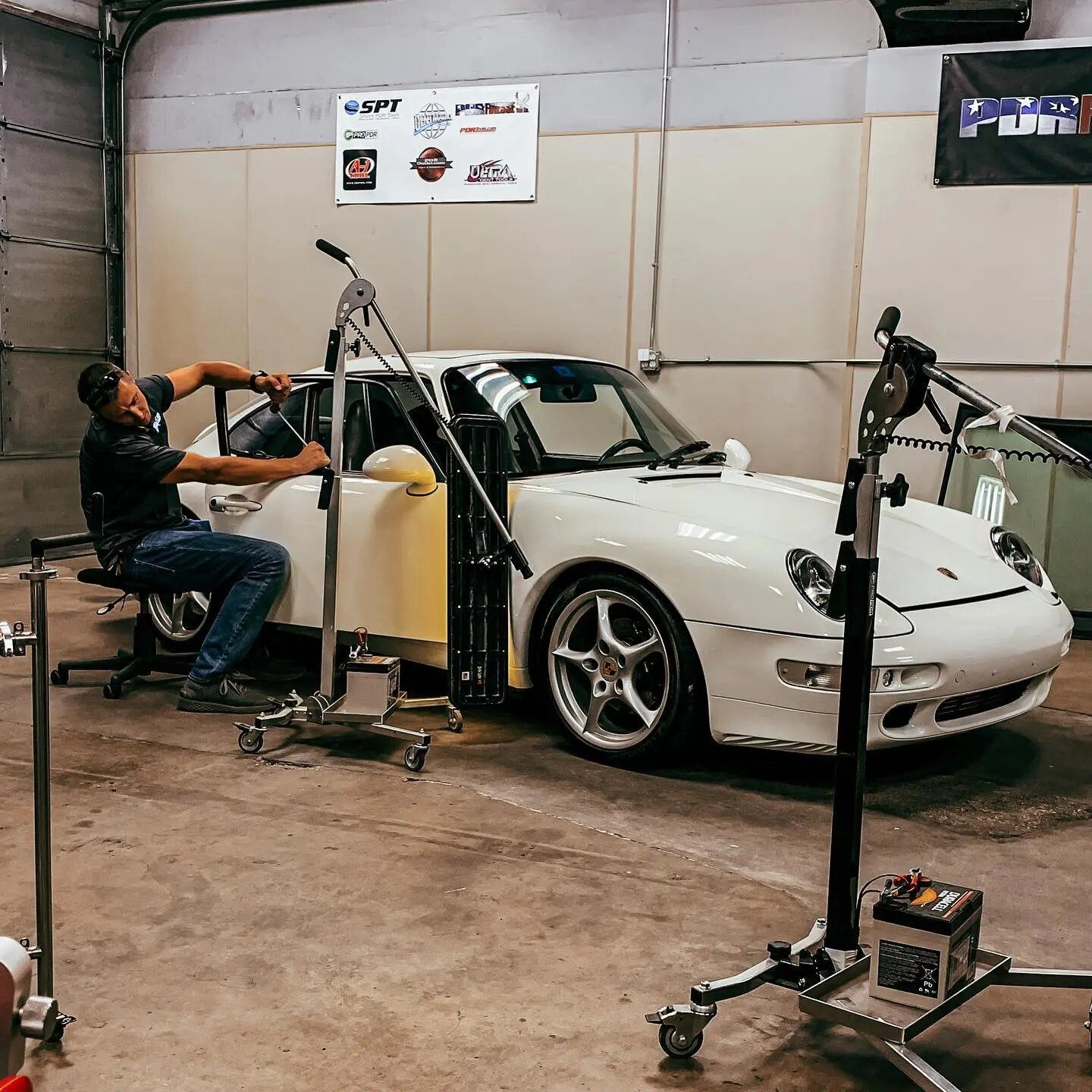
Paintless dent repair does not extend a manufacturer warranty, but it is the method least likely to disturb one.
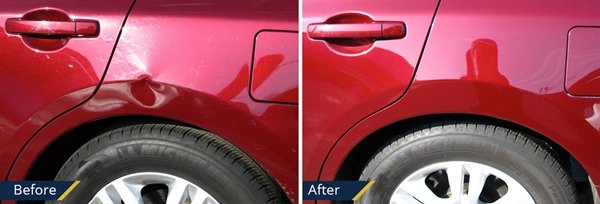
Often yes, and it is usually the best option for preserving originality, because nothing is sanded, filled or repainted.
Usually yes. Most BMW dents sit on outer skin panels, and both aluminum and high-strength steel skins are repairable with paintless dent repair when the paint is intact and the back of the panel can be reached.
Often, yes. A dent on a body line can usually be repaired without repainting if the paint on the crest is uncracked and the crease still exists as an edge rather than being flattened out.
Yes, in most cases. Hail on a Chevrolet, GMC or Ram truck usually lands on the cab roof, hood and bed rails, and paintless dent repair handles that damage when the paint is unbroken.
Often, but not always. Technicians reach many braced areas through factory lightening holes, wiring openings and apertures left by removing lamps, liners or trim.
Usually yes. The door stays on its hinges and the factory paint stays on the panel; access comes from inside the door once the trim panel or vapor barrier is out, or through the window slot.
Usually yes. Front fenders are bolt-on panels with reasonable access from behind, so steel and aluminum fender dents with intact paint are common paintless repairs.
Hidden filler usually removes the paintless option on that part of the panel. Filler is rigid and bonded to the surface, so pushing metal underneath it can crack it or lift it instead of restoring the shape.
Partly. Bed sides and many tailgates repair well without paint when there is a tool path behind the skin or the paint is sound enough for outside pulling.
Often yes. Thermoplastic bumper covers have a degree of shape memory, so controlled heat and steady pressure from behind can bring many dents back without refinishing.
Often yes. Quarter-panel dents with intact paint are repaired without refinishing every day, including full hail damage across the panel.
Usually yes. Roof skins respond well to paintless dent repair, and a high dent count on its own is not a reason to replace the panel.
Because a panel edge is not a single sheet of metal. Most edges are a hem — the outer skin folded back on itself, bonded with adhesive and clamped around an inner frame — so the metal is double-thick, far stiffer, and…
Calibration is normally required when a sensor or its mounting has moved.
The main differences are time, tooling and access. Ford moved the F-150 to a largely aluminum-alloy body beginning with the 2015 model year, and aluminum has less spring-back, work-hardens faster and cracks more readily at sharp creases, so each dent takes longer.…
Often yes. Body-line and aluminum-panel dents on an Audi are frequently repairable without paint, but they sit at the demanding end of PDR: the crease locks the metal in two directions and aluminum work-hardens as it is moved.
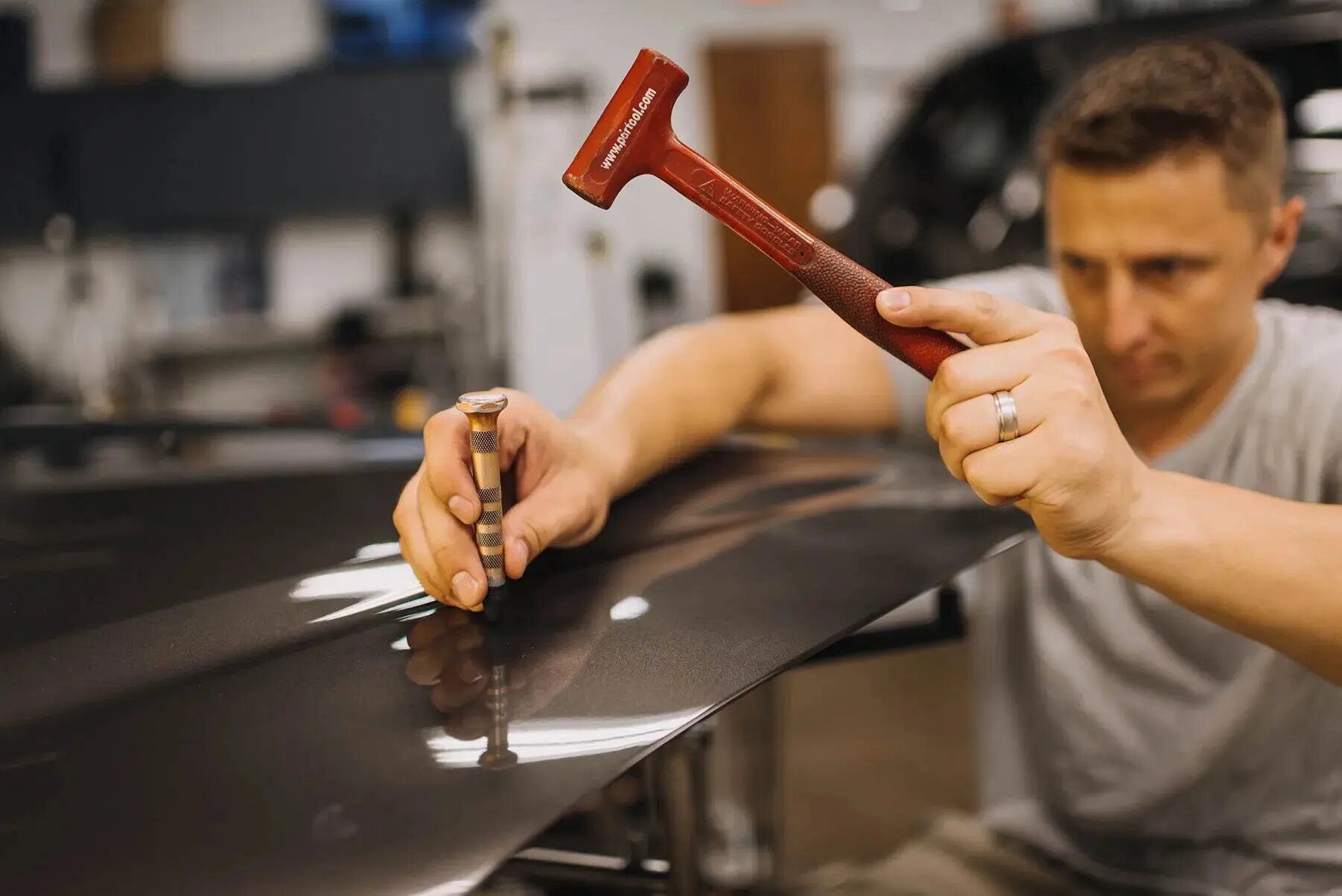
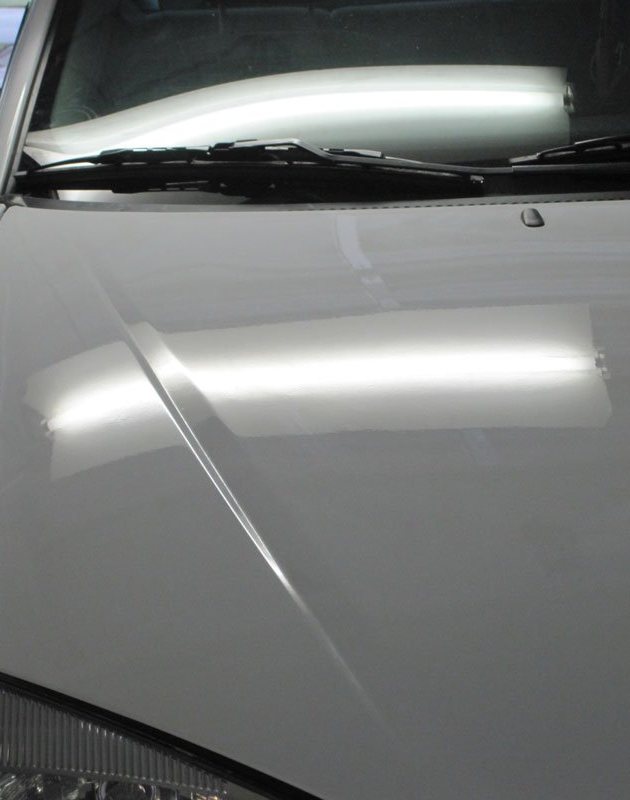
No. Paintless dent repair works because metal is displaced but retains its original shape and can be guided back.
Technicians work through five checks in order: is the metal intact, is the finish savable, can the back be reached, how far has the metal stretched, and what prior repairs are present. The first failure decides the route.
They restrict heat, welding, drilling and how the vehicle is lifted and stored — which is why paintless dent repair suits EVs well.
Hail deforms body panels; it does not reach the battery pack, drive units or wiring. The panels take the same assessment as any pickup, with aluminum carrying more hours per dent and bed sides often lacking tool access.
Usually yes, if the damage is in an outer skin. Hoods, roofs, doors, fenders and quarter panels use formable steels that respond to paintless work, though thinner, higher-strength skins spring back more and need smaller increments and more passes.
Two things change. Access improves, because doors, roof panels and fender flares unbolt, letting a technician reach the back of the metal directly instead of working blind.
Access decides most of it. Recent Land Rover and Range Rover bodies use aluminum extensively and are assembled with adhesive and fasteners rather than spot welds, so bonded seams block the routes a rod would normally take.
Yes, in most cases. Paintless dent repair works the metal from behind or lifts it with temporary adhesive tabs, so the factory primer, basecoat and clearcoat stay exactly where the plant put them — a repaired panel still measures and matches its…
Aluminum panels are repairable paintlessly, but the work is slower and less forgiving. Aluminum has little spring-back, work-hardens quickly under repeated working, and cracks at sharp creases where steel would flex.
Usually yes, and it is normally the preferred route. Paintless repair keeps the factory finish untouched, which matters more on matte because the coating cannot be polished and sheen is difficult to match across a refinish boundary.
Ask what the panel is made of, whether the paint is original, exactly how the technician will reach the back of the dent, whether anything sensor- or airbag-related gets disturbed, what would make them stop and recommend paint, and what the written…
Usually yes. Hail dents the narrow metal around a panoramic roof — the header, side rails and rear bow — and that metal is normally repairable by paintless methods when the paint is unbroken.
It can, but usually it does not. When a panel has rear access, the repair happens behind the film and nothing touches it.
Yes. Paintless dent repair is performed from behind the panel, so nothing touches the coated surface and the coating comes back untouched.
Sometimes. Gloss vinyl distorts the reflection a technician works to but light damage can often still be repaired underneath it.
Because paint condition decides more of the outcome than the dent does.
Often yes. A hood with a high hail dent count, intact paint and a straight inner frame is a normal paintless repair, and hoods offer some of the best tool access on the vehicle because the panel opens.
Confirm three things before authorizing work: the manufacturer's current position on the repair type you need, what your policy covers, and which material each damaged panel is made of.
Usually yes. Hail lands on flat horizontal panels, leaves shallow rounded dents and rarely breaks the paint, which is close to the ideal case for paintless dent repair — and most Toyota and Honda outer skins are steel with good shape memory.…
Usually, on steel and aluminum panels. Deck lids and liftgates are skins over inner frames, so rods can reach much of the surface once the interior trim and often a lamp are removed.
Broken paint means the dent can still be reshaped, but the repair no longer ends there.
Teslas and other EVs can absolutely be repaired with paintless dent repair, and PDR is often the best option because it preserves the factory finish.
Aluminum panels can be repaired with PDR, but aluminum behaves differently from steel — it is stiffer, has less shape memory, and work-hardens as it is worked — so it requires different technique, more time, and often specific tools.
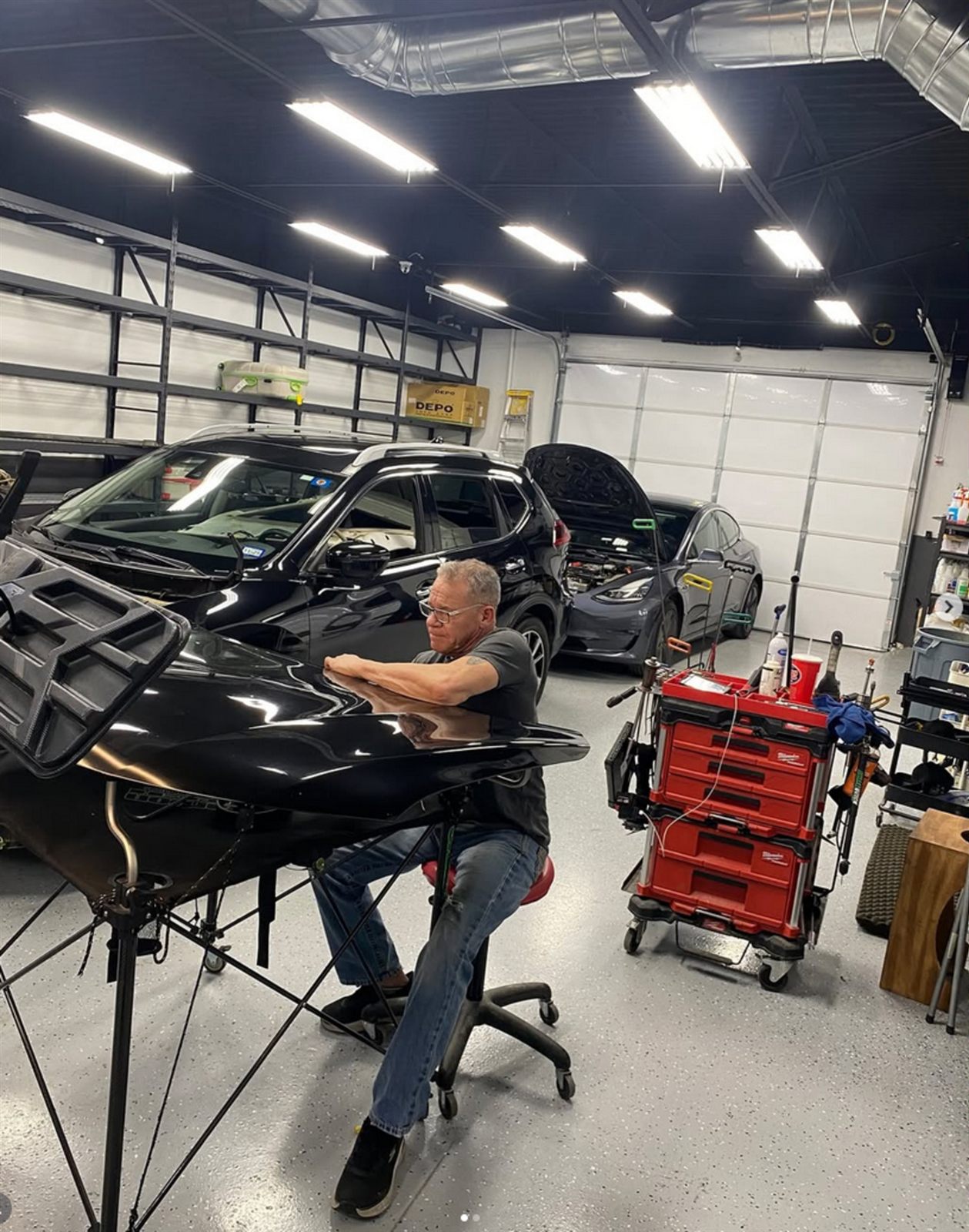
Every reviewed guide in this learning center is checked against what actually happens on the shop floor in Plano — 15+ years of paintless dent repair, thousands of vehicles, and technician training experience in the U.S. and Europe.
Meet Vytas and see his reviewed guides How DentPicks reviews repair adviceSend us photos of the damage or schedule an inspection at the Plano shop — we'll tell you honestly what your vehicle needs, what it should cost, and whether a claim makes sense.
Someone from the team will get back to you. If it is urgent, call (866) 336-8767 and you will reach the Plano shop.